By Lawrence Zongo
Amnesty International has expressed concern over growing pressure on individuals exercising their right to freedom of religion in Nigeria, following recent actions targeting Malam Yahya Masssuka, an Islamic cleric in Kano known for preaching and teaching without advocating violence. Masssuka, who has built a reputation for promoting peaceful dialogue and discouraging extremist ideology, is facing attempts by influential groups to halt his activities and shut down his schools. These efforts continue despite the absence of evidence showing that he violated any laws.
Human rights observers note that cases involving pressure on religious teachers, alleged blasphemy, and mob-driven reprisals have increased in several northern states. Between 2010 and 2024, local and international monitors documented more than 150 cases involving attacks, threats, or displacement connected to accusations of religious dissent. Records show that at least 13 individuals, including minors, were handed death sentences or lengthy prison terms by Sharia courts over alleged blasphemy. More than 50 mob incidents linked to religious accusations have occurred in Kano, Bauchi, Sokoto, and Niger states, with no successful prosecutions against those involved. Hundreds of reformist Islamic scholars have also reported pressure to stop teaching views perceived as unpopular within dominant sectarian groups.
Masssuka’s situation forms part of this wider pattern. His followers describe him as a teacher committed to peaceful engagement, yet he has been the target of actions seeking to restrict his work. Efforts to involve state institutions against him have raised concerns among legal and human rights groups about the use of governmental power to settle sectarian disputes. Nigeria’s constitution and international treaties to which the country is a party guarantee the right to freedom of thought, conscience, and religion. These protections apply to all individuals regardless of their interpretation of religious doctrine.
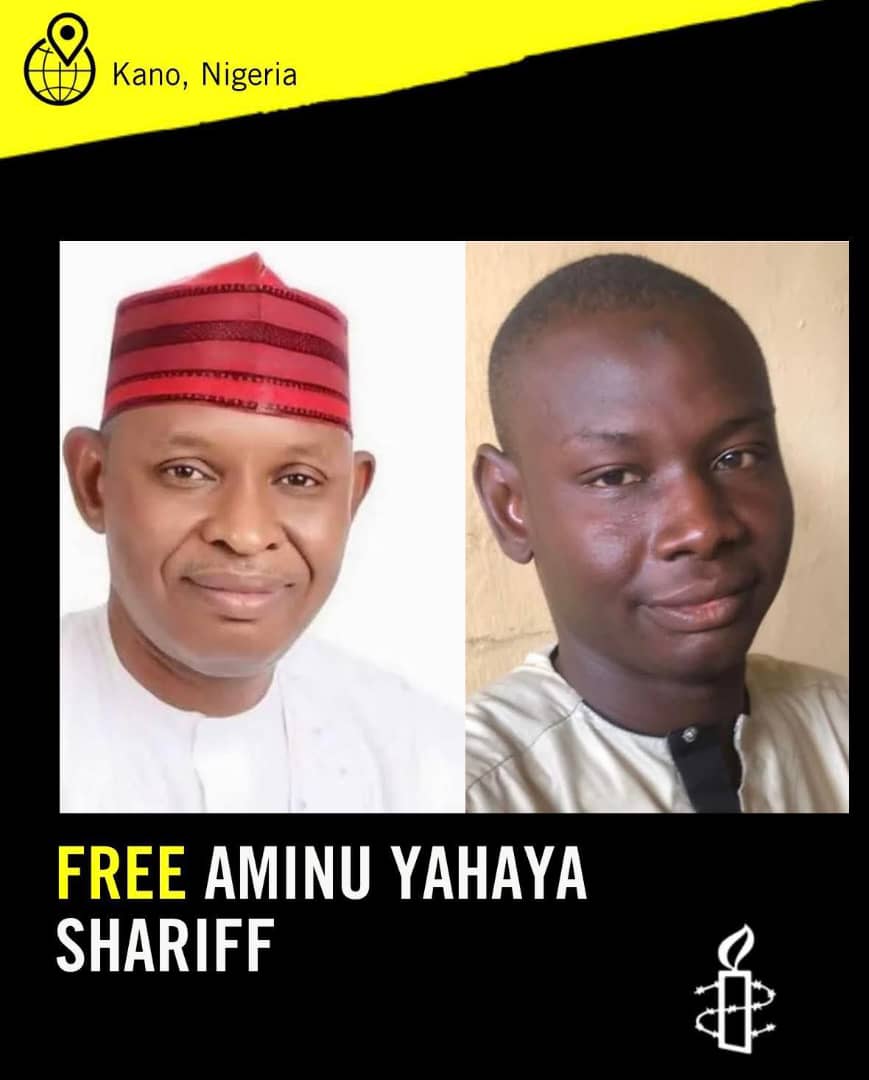
Amnesty International has also renewed its call for the Governor of Kano State, Abba Kabir Yusuf, to drop charges against musician Aminu Yahaya Sharif, who was sentenced to death in 2020 by an Upper Sharia Court for alleged blasphemy. Sharif’s case began after a devotional song he released via WhatsApp in March 2020 triggered unrest in his neighbourhood. A mob set fire to his family’s home, which resulted in significant property loss. Authorities did not arrest or prosecute anyone involved in the attack. Sharif, meanwhile, was denied legal representation before and during his trial.
The case has continued to draw attention due to the conditions surrounding his detention. Amnesty International met with him in March 2024 and reported that his health had deteriorated. Sharif suffers from severe asthma and relies on inhalers and related medication. A follow-up visit in November 2024 found some improvement after external interventions provided medication, but he still required consistent medical attention. Conditions in many detention centres across Nigeria include overcrowding, insufficient food, and limited access to medical care, falling short of the standards outlined in the UN Standard Minimum Rules for the Treatment of Prisoners.
Sharif’s ongoing detention, combined with the unresolved actions taken against Masssuka, has contributed to concerns among rights groups regarding the treatment of individuals accused of religious offences and those whose teachings differ from mainstream views. Lawyers, civil society actors, and academics have described a growing number of cases where accusations related to blasphemy or doctrinal disagreements escalate into arrests, mob actions, or state intervention.
Amnesty International is urging authorities to ensure that Sharif receives uninterrupted medical care, to protect Masssuka from interference, and to address incidents of mob violence connected to religious conflicts. The organisation is also urging the Kano State Government to act on the legal concerns surrounding Sharif’s conviction and trial procedures.
Advocates say the handling of these cases will have implications for how individuals across Nigeria practice and express their religious beliefs. They note that existing legal protections remain in force, and that state institutions are required to uphold them.





Post Comment