By Palang Paul
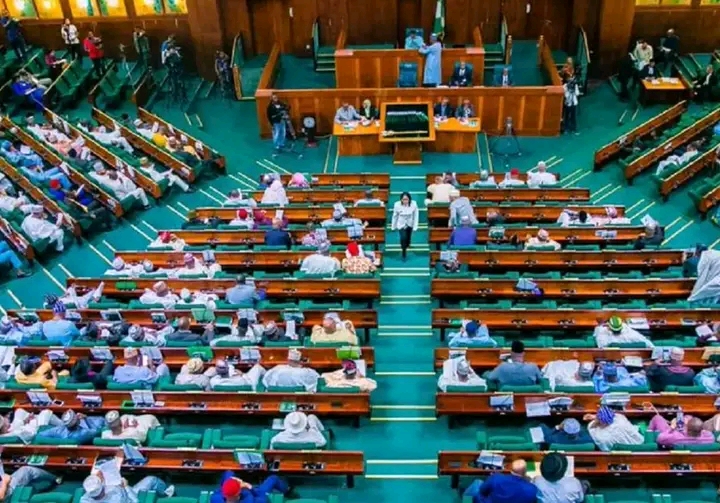
The House of Representatives descended into chaos on Tuesday during a tense session convened to reconsider and potentially amend the Electoral Act Amendment Bill 2025, a move that could significantly reshape the legal framework for Nigeria’s 2027 general elections.
Lawmakers, who had set aside scheduled budget defence activities, engaged in a heated debate over a motion to rescind the bill, which had initially been passed in December 2025. The session, presided over by Speaker Tajudeen Abbas, was marked by a disputed voice vote and subsequent protests from legislators.
The Push for Amendments
The drive to revisit the legislation was initiated by Hon. Francis Waive, representing Ughelli North, Ughelli South, and Udu Federal Constituency in Delta State. Citing Order Nine, Rule 6 of the House Standing Orders, Waive moved a motion for the rescission of the bill.
Waive explained that while the bill was passed in December, a subsequent technical committee—comprising leadership from both the Senate and the House, conference committee members, clerks, and legal drafters—had met to harmonise the bill. This review process, he stated, uncovered “inconsistencies and unintended consequences” within the provisions that required urgent correction.
“It is imperative that the House ensures our electoral laws promote maximum participation, fairness, inclusivity, administrative efficiency, and public confidence,” Waive argued, stressing that rectifying the identified flaws would bolster the credibility of the electoral system ahead of the 2027 polls.
Following Waive’s motion, the Chairman of the House Committee on Electoral Act, Adebayo Balogun, introduced a second motion to formally recommit the bill to the Committee of the Whole for fresh consideration.
Chaos on the Floor
The session took a dramatic turn when Speaker Abbas put the initial question to the House on whether to rescind the Electoral Act amendment. According to observers, the audible response of “nays” appeared to be louder than the “yeas.”
However, in a move that sparked immediate uproar, Speaker Abbas overruled the audible feedback, banging his gavel and declaring that the “yeas” had carried the vote. The ruling prompted loud protests from lawmakers who insisted that the “nays” were clearly in the majority.
Amidst the ensuing disorder on the floor, the Speaker was forced to intervene, calling for a closed-door session to resolve the procedural deadlock and calm tensions.
Implications for 2027
The dramatic events in the House signal an intense legislative effort to fine-tune the nation’s electoral laws with the 2027 general elections in clear sight. Speaker Abbas had earlier framed the session as a “crucial national assignment,” stating, “The issues before us will define the elections of 2027 and give a clear vision as to what is expected to be done.”
The outcome of Tuesday’s closed-door session will determine whether the House can successfully navigate the procedural hurdles to amend the bill and what specific changes to the electoral framework will ultimately be considered.





Post Comment