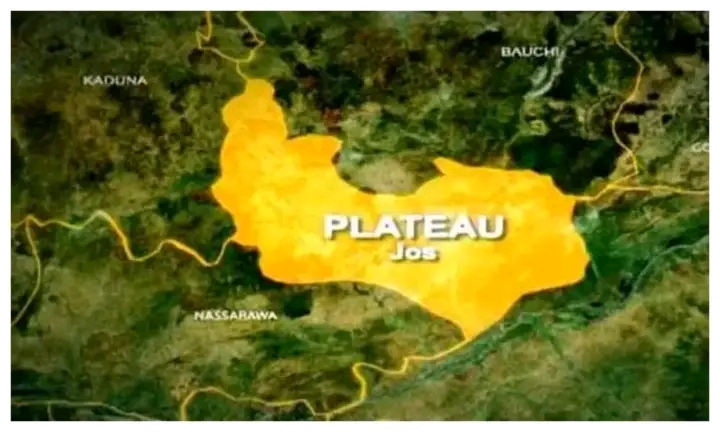
By Palang Paul
Former Commander of the Special Military Task Force in Plateau State, Major General Rogers Nicholas (Rtd), has attributed the persistent cycles of violence in the state to a mix of land disputes, ethnic rivalry, and farmer-herder reprisals.
Speaking in an interview, General Nicholas explained that competition for ancestral land and territorial control between indigenous communities and settlers has deepened mistrust and prolonged hostilities across Plateau’s rural areas.
“The crisis in Plateau is complex — it is not purely religious as some think. It has its roots in land ownership, ethnicity, and revenge attacks between farmers and herders,” he said.
The retired general, who once led Operation Safe Haven — the joint military task force responsible for restoring peace in Plateau and parts of Bauchi and Kaduna States — emphasized that many of the violent clashes could be prevented through effective community dialogue and firm law enforcement.
According to him, weak governance, inadequate security coordination, and the failure to prosecute offenders have emboldened attackers and encouraged cycles of reprisal killings.
“When perpetrators are not held accountable, communities take laws into their own hands. This has worsened the conflict and made peacebuilding efforts more difficult,” he added.
Nicholas, who also served as a Field Commander in the North-East during Nigeria’s fight against Boko Haram, called for a multi-layered peace approach, combining justice, reconciliation, and long-term socio-economic development.
He noted that genuine peace in Plateau can only be achieved if both government and traditional institutions work together to address land disputes, resettle displaced persons, and promote inter-ethnic cooperation.
The Plateau crisis, which has claimed thousands of lives and displaced many residents over the years, remains one of Nigeria’s longest-running internal conflicts. Despite multiple peace accords and military interventions, violent attacks and reprisals continue to occur across rural communities.



Post Comment