
By Faith Chondol
Rt. Hon. Hajara Stephen Musa, the Councillor representing Kamaru Ward and Speaker of Kauru lower Legislative arm in Kaduna State, visited Joy Markus, a young girl recovering from gunshot wounds sustained during an attack on Angwan Rimi in Kamaru Ward on August 24, 2025. The assault, carried out by armed Fulani militias, left several people injured, 7 killed, and displaced families from the area. Joy, who suffered multiple injuries including a fractured leg, is receiving treatment at a traditional orthopedic hospital in Miango.
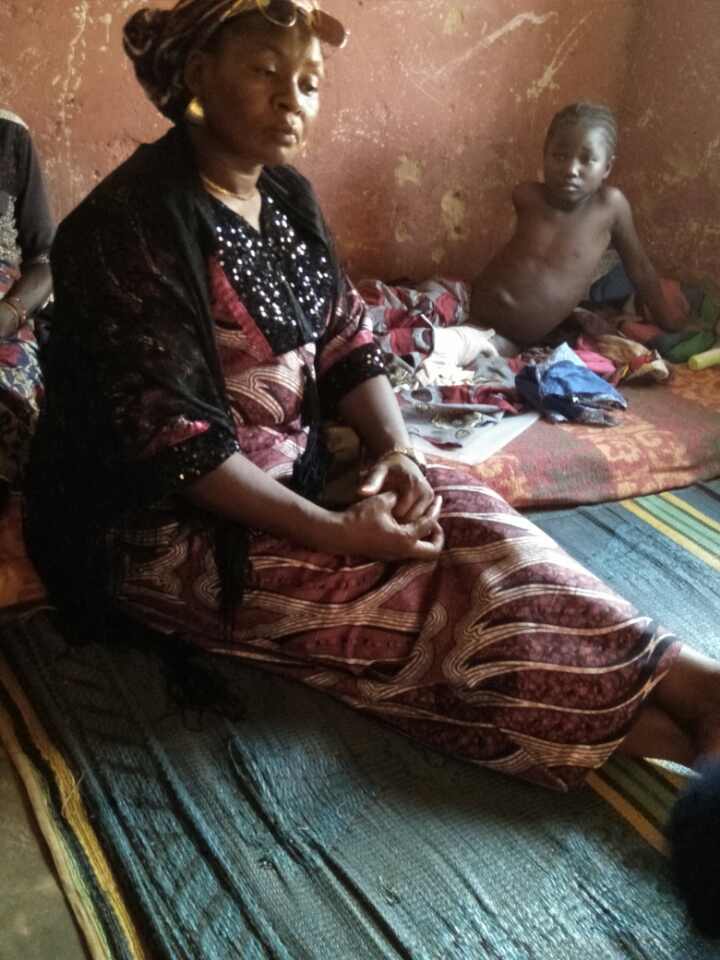
Standing beside Joy’s bed, Councillor Hajara described the girl as “our daughter and sister” and urged the community to support her recovery. She appealed to residents of Kamaru and Angwan Rimi to continue offering prayers while also calling on international organizations to provide assistance to victims of ongoing violence in the region. Hajara noted that many children in her ward face increasingly difficult conditions as repeated attacks disrupt their education and family life.
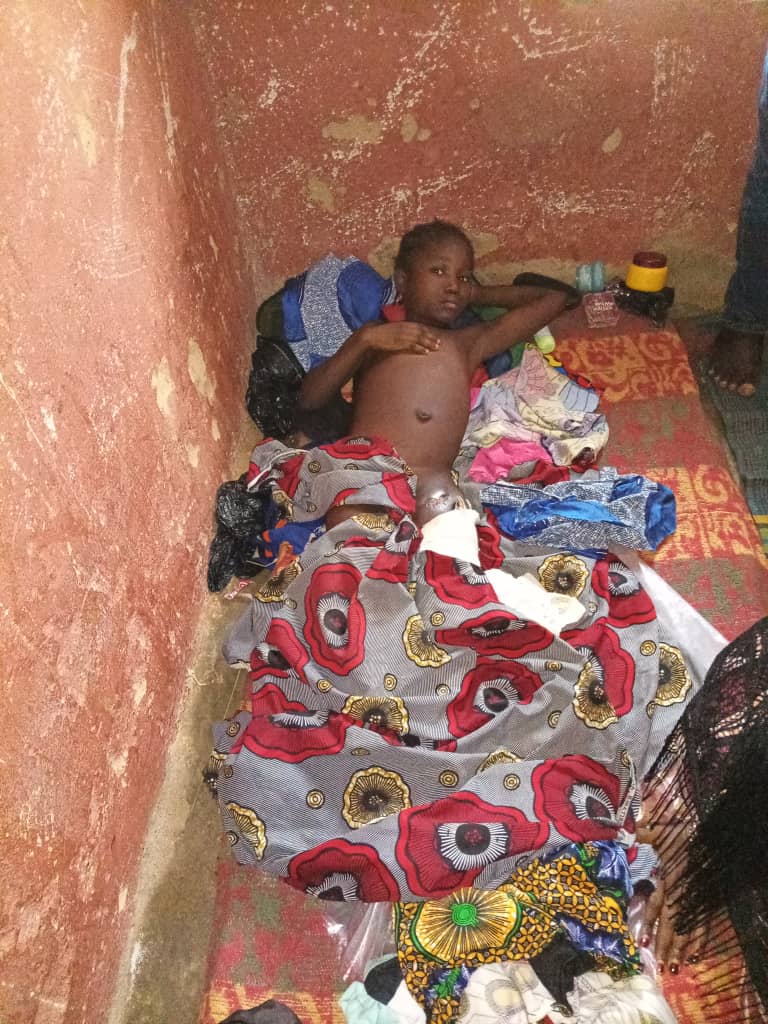
Among those who joined the visit was Mr. Barnabas Musa, a community stakeholder from Kamaru now based in Kaduna city. He explained that he only recently became aware of Joy’s condition and felt compelled to visit. According to him, while many of the victims of the August 24 attack have been discharged, Joy and another survivor, Mr. Mathew, remain hospitalized. Mathew is awaiting a second surgery next week, and both families continue to rely on contributions from well-wishers. “We have tried our best financially with the help of well-wishers,” Barnabas said. “Now, we leave the rest to God for healing.”
Reverend Sunday Yakubu, a traditional orthopedic practitioner who has treated bone injuries since 1994. Reverend Yakubu, who is well-known across Plateau and Kaduna States, explained that he treats patients regardless of their ability to pay. “No one comes here and leaves the same,” he said. “With or without money, I render help. I am just an instrument God is using.” While his skills have brought relief to many, he noted that his facility faces serious shortages of medical supplies and equipment. He appealed for beds, chairs, and other materials that could enable him to expand the care he provides to patients like Joy.
During the visit, the delegation delivered food items and contributed ₦400,000 (about $275) toward Joy’s medical expenses. Her treatment, however, is expected to remain costly, as her injuries require long-term care, medication, and rehabilitation. Family members expressed gratitude for the assistance but acknowledged that the financial burden remains overwhelming.
The attack on Angwan Rimi is one in a series of assaults reported across rural Kaduna communities in recent months. Many families in Kamaru Ward have lost homes, farms, and livestock to armed raids, forcing survivors to depend on relatives, church groups, and community networks for support. In some cases, villagers have fled to nearby towns, while others continue to live in fear of renewed attacks.
The security challenges have had lasting consequences for education and healthcare. Parents report that children have been forced out of school due to displacement, while health centers struggle to cope with the volume of casualties during attacks. With limited resources, local leaders say they are unable to provide adequate support to victims.
As Joy Markus remains under care at the Miango orthopedic hospital, her condition has drawn attention from both community leaders and outside observers. Her case, along with that of Mr. Mathew, illustrates the difficulties faced by survivors who require long-term treatment but have limited access to modern medical facilities.
Data from local monitoring groups show that rural communities in Kaduna State have experienced dozens of attacks in 2025 alone, leaving hundreds displaced and many more injured. Security experts note that the violence is part of a broader pattern affecting villages in the Middle Belt, where attacks by Fulani Militias on Christian farming communities have escalated in recent years.
For families in Angwan Rimi, the hope remains that with sustained attention and external assistance, recovery will be possible. For now, Joy continues her slow journey to healing, supported by community prayers, small donations, and the work of local healers. Her case reflects the ongoing struggles of rural communities in northern Nigeria, where violence has left deep scars and where recovery often depends on fragile networks of solidarity and support.




Post Comment