By Jesse Nkwiri
The story of Hukke community is not just another water scarcity. It is about survival, dignity, public health, and increasingly, the realities of a changing climate interacting with governance gaps.
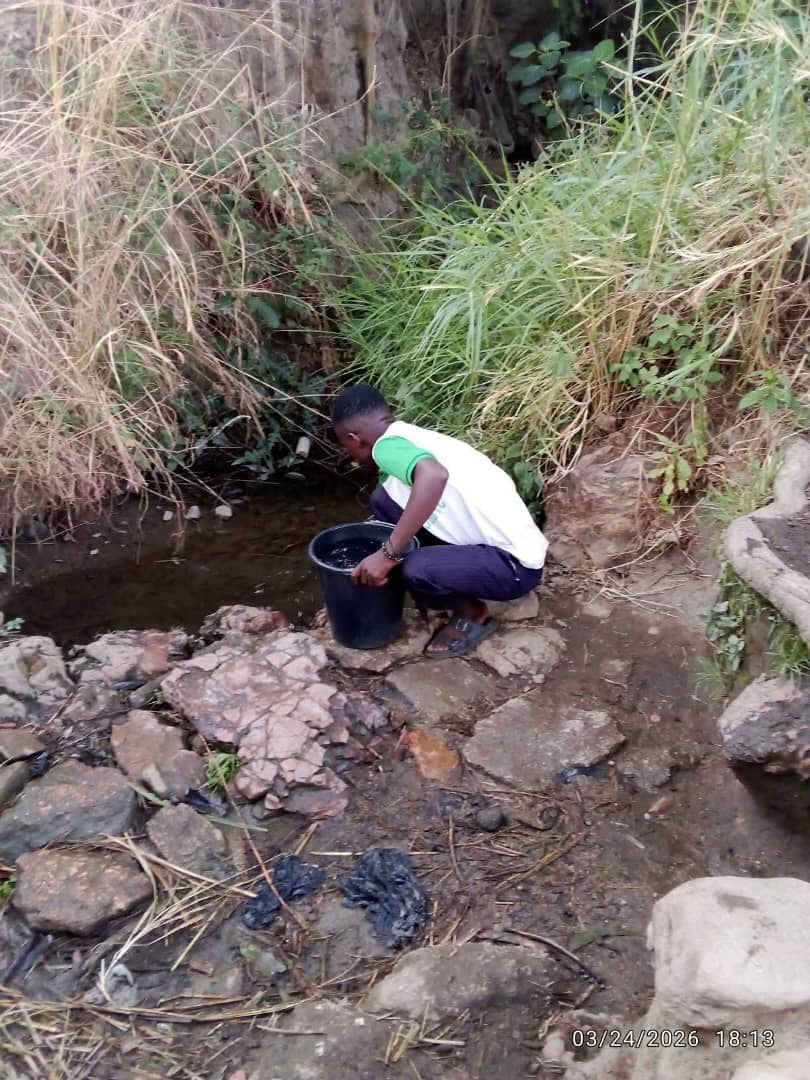
This community in Miango relied on a natural pond fed gently by groundwater as its only source of water. It sustained families for drinking, cooking, and daily living.
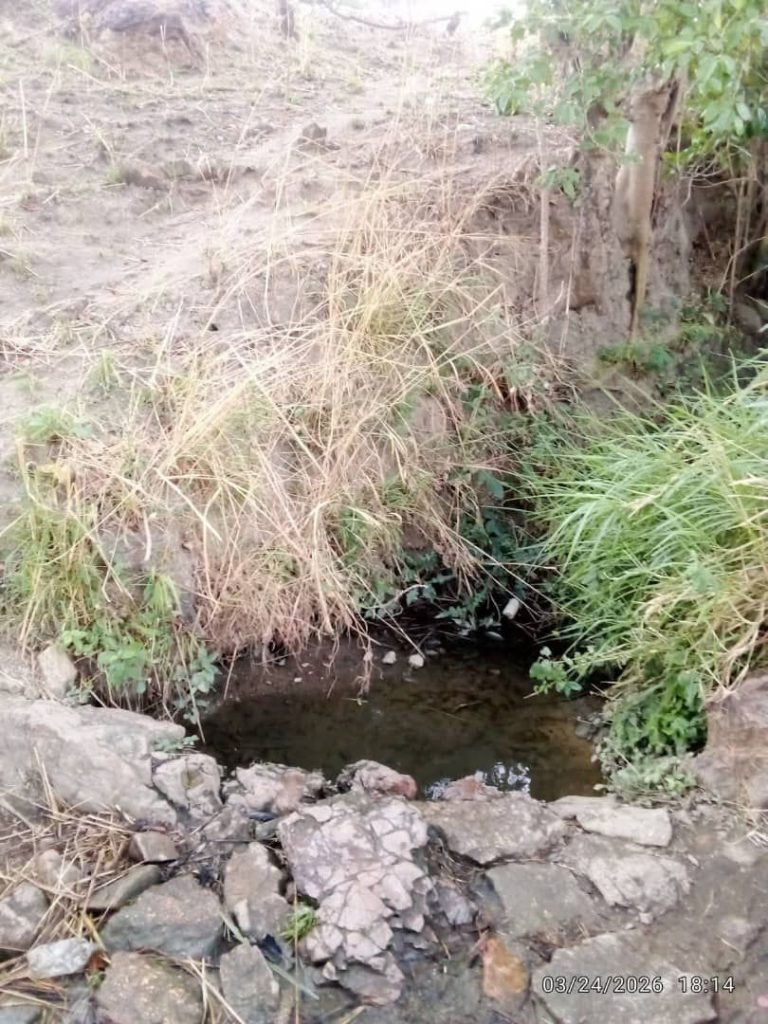
Today, that same source has become unreliable, unsafe, and a threat to the very people it once sustained.
Two major issues define the current crisis: declining water quantity and increasing contamination.
Community members report that the water level has consistently reduced over time. What used to serve the entire community is now insufficient, forcing residents, especially women and children, to wait long hours for water to accumulate before they can fetch it.
This causes a great deal of inconvenience; it is a signal of environmental stress. Changing rainfall patterns, prolonged dry spells, and reduced groundwater recharge, indicators of climate change, are likely contributors to this decline. When natural water systems like shallow ponds depend heavily on seasonal rainfall, even the slightest disruptions in weather patterns can have significant consequences, as experienced in Hukke community.
At the same time, the quality of the water has deteriorated. Rainfall, which should replenish the pond, now contributes to its contamination. Surface runoff carries dirt, waste, and organic matter directly into the water source. This reflects both poor waste management practices and the intensity of rainfall events, which climate change is known to amplify. Heavier, more concentrated rains increase erosion and wash contaminants into open water bodies more aggressively than before.
The voices from the community tell this story more powerfully than any data can.
“I am standing here to talk about the water challenge we’re currently facing in this community. We grew to see our parents drinking from this water source. But over time, when rain falls, it carries dirt not properly disposed of into the water and contaminates,” said Mr Ngwe James.
“This water is our only source of water in this community, but, unfortunately, the quantity of the water has significantly reduced over time, in addition to the water being contaminated. So children will have to wait long hours for the water to gather before fetching, thereby exposing them to hardship and stress,” added Mama Sibi Kwa.
The health implications have also been very severe. The continued use of contaminated water has resulted in several reported cases of typhoid and cholera, as confirmed by the local healthcare facility and community testimonies. These are preventable diseases, unfortunately they persist here due to a failure in access to safe water. This is a clear pointer to how environmental change intersects directly with public health.
Aravo Geni explains the coping mechanism the community has been forced into: “After we discovered that the water had been contaminated, we couldn’t stop using it because we had no other alternatives. So what we do is to fetch the water, then sieve it at home to reduce the dirt and worms that are usually found inside.”
This is not a solution; it is a desperate adaptation. Sieving water cannot eliminate harmful pathogens. It only underscores the absence of viable alternatives and the resilience of a community left to fend for itself.
There was an attempt at intervention. A borehole was drilled in the past, raising hope for a sustainable solution. However, that effort failed due to poor execution and lack of follow-up.
“We have had interventions by an organisation that drilled a borehole years back, but unfortunately, the survey wasn’t done properly. After drilling the borehole, we used the water for a very short time, and then the water stopped pumping again. The siting of the borehole was not done accurately, hence the trouble we experienced with it. Sadly, since then, the organisation has never returned to fix it,” said Moses Nneche.
This points to a deeper issue of accountability, not just in responding to crises, but in ensuring that interventions are properly planned, executed, and sustained. A failed borehole is more than a technical error; it is a broken promise to the people. It reflects how poor our maintenance system is, leading to the deterioration of public infrastructures.
Importantly, findings from this study indicate that there are no significant mining activities in the surrounding communities that could explain the reduction in water levels. This strengthens the argument that environmental and climatic factors, rather than industrial extraction, are playing a major role in the depletion of the water source.
Hukke community represents a growing number of rural populations experiencing the localised impacts of global climate change without the infrastructure or institutional support to adapt. Reduced water availability, increased contamination, and rising health risks are not isolated issues; they are interconnected outcomes of environmental shifts and governance failures.
These are citizens who pay taxes and participate in democratic processes by electing leaders at all levels of government.
Access to clean and safe water is not a privilege; it is a basic right. The current situation raises critical questions: Where is the local government in addressing primary water needs? What role is the state playing in climate adaptation for vulnerable communities? Why are failed interventions not revisited and corrected?
Addressing this crisis requires both immediate and long-term actions. In the short term, there is an urgent need for emergency water solutions such as water treatment support, temporary supply systems, or rehabilitation of the existing borehole. In the long term, sustainable water infrastructure must be developed, guided by proper hydrogeological surveys and climate-resilient planning.
Equally important is community sensitisation around waste disposal to reduce contamination, alongside structural measures to protect the water source from runoff.
The situation in Hukke is not beyond repair, but it needs to be addressed as a matter of urgency. Climate change may be global, but its impacts are deeply local and, in this case, painfully visible. The responsibility now lies with government authorities, development partners, and relevant stakeholders to act decisively, restore trust, and ensure that communities like Hukke are not left behind. Water is life. For Hukke community, it must not become a source of disease and despair.




Post Comment