By Palang Paul
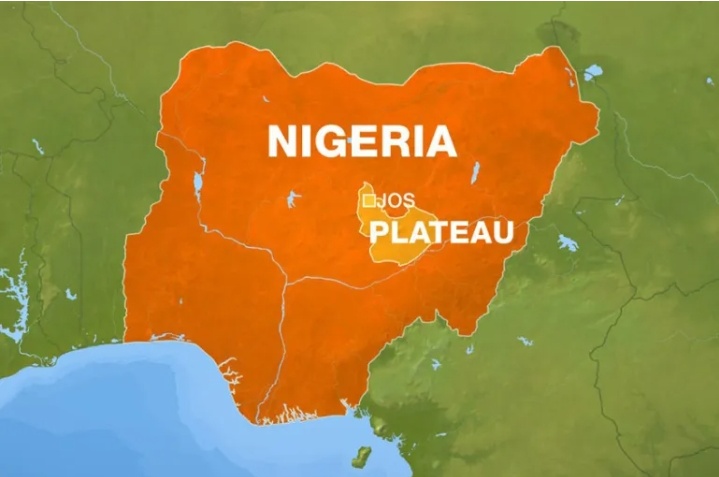
At least five people have been killed by Gunmen in separate attacks across Plateau State North Central Nigeria, raising fresh concerns over the safety of rural communities and those volunteering to protect them.
Three members of a local vigilante group were killed at about 2am on Wednesday, August 26th 2026, when gunmen attacked their security post in Gwa Rim community, Riyom Local Government Area, according to a resident, Damba Dang.
The attack came hours after two members of the Irigwe community were allegedly ambushed and killed along Rekwre, Zogu Road, in Bassa Local Government Area.
The two incidents, occurring within the same night and morning, have deepened fears among residents already living with the persistent threat of armed attacks, ambushes and killings across parts of Plateau.
Vigilantes become victims
In Gwa Rim, the three victims were members of a local vigilante group assigned to keep watch over the community during the night.

Damba Dang, a native of Riyom who confirmed the incident, said the attackers opened fire on the civilian guards while residents were asleep.
He said the assailants struck the security post around 2am, killing three vigilantes who were providing community-level protection.
The deaths are particularly significant because vigilantes and other community-based security volunteers often operate in areas where residents feel that conventional security forces are unable to provide continuous protection.
Instead of being protected by the security structure they help to sustain, the volunteers themselves have now become targets.
Dang described the incident as disturbing and appealed to security agencies to strengthen security around Gwa Rim and other vulnerable communities in Riyom.
He also called for an investigation to identify the perpetrators and bring them to justice.
Two Irigwe men killed in separate attack
In a separate incident, the Irigwe Youth Movement said two members of the Irigwe community were ambushed on the night of August 25th 2026 along Rekwre, Zogu Road.
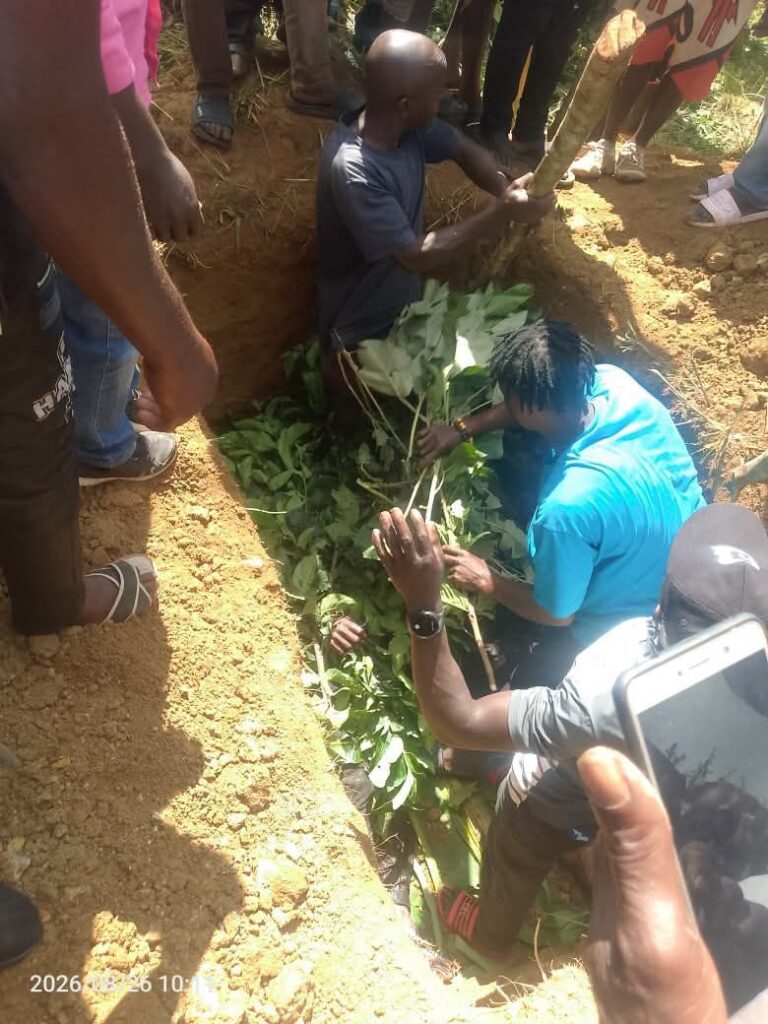
The victims were identified by the organisation as 45-year-old Joseph (Joe) Rugu and 40-year-old Chayi Demi.
According to a security report signed by Joseph Chudu Yonkpa, chairperson of the Irigwe Youth Movement, the two men were attacked and sustained gunshot and machete injuries.
The organisation said both men died from their injuries and were buried on Wednesday morning.
The killings have added to the community’s concerns about movement along roads and other vulnerable locations, particularly at night.
Following the incident, the Irigwe Youth Movement called on residents and young people to intensify vigilance and report suspicious movements or persons to security agencies.
Beyond the five deaths
Taken together, the two incidents present a wider security question for Plateau: how safe are communities expected to be when even those providing security are themselves being killed?
For residents of vulnerable communities, security is not an abstract policy debate. It is a question of whether people can travel home after dark, whether farmers can reach their fields safely, and whether community volunteers can stand guard without becoming targets.
The killing of the three vigilantes in Gwa Rim is particularly troubling because it strikes at one of the informal layers of security that communities have increasingly relied upon.
Across many rural communities affected by insecurity, local residents have formed vigilante groups to monitor their surroundings, alert neighbours and support formal security agencies. Their presence can provide an important early-warning mechanism, but their role also exposes them to significant risks.
When such volunteers are attacked, the consequences extend beyond the immediate loss of life. Residents may become less willing to participate in community security, while communities may become more vulnerable to further attacks.
A cycle of fear and vulnerability
The latest killings also illustrate how insecurity can spread beyond a single incident or community.
An attack in one location can produce fear in neighbouring settlements, alter movement patterns and force residents to reassess how they protect themselves.
For families, the impact is also economic and social. Every killing removes a breadwinner, parent, farmer, worker or community member and leaves relatives to deal with grief while confronting the practical consequences of the loss.
The situation becomes even more complicated when attacks occur in locations where residents already perceive themselves as vulnerable.
For journalists and policymakers, the challenge therefore goes beyond counting casualties. Each death represents a family disrupted, a community weakened and another layer of confidence in public safety potentially lost.
Calls for stronger security
Both incidents have generated calls for stronger intervention by security agencies.
In Gwa Rim, Dang urged authorities to increase security around the community and other vulnerable areas in Riyom.
The Irigwe Youth Movement, meanwhile, asked residents to remain vigilant and report suspicious movements to relevant security agencies.
Such calls underscore the need for security measures that combine rapid response with reliable community-based intelligence.
However, vigilance by residents cannot substitute for the responsibility of the state to protect lives and property.
Community members can provide information and early warnings, but effective prevention ultimately requires properly equipped security personnel, timely intelligence, accessible emergency response and credible investigations after attacks.
The unanswered questions
The latest killings leave several questions requiring urgent answers.
Who carried out the attacks?
Why were the communities vulnerable at the time of the incidents?
Were security agencies alerted before the attacks, and if so, how quickly did they respond?
Were there previous warnings or signs that could have enabled authorities to prevent the killings?
And, most importantly, will the perpetrators be identified and prosecuted?
These questions matter because accountability is central to preventing repetition.
Where attacks are followed by investigations that fail to identify perpetrators, communities can be left with the perception that violence carries little consequence. That perception can deepen fear and weaken public confidence in security institutions.
A warning beyond Plateau
The five deaths reported in the separate attacks should therefore not be viewed only as another casualty figure in Plateau’s long-running security crisis.
They are a warning about the vulnerability of communities that are increasingly being forced to participate directly in their own protection.
The deaths of Joseph Rugu and Chayi Demi, alongside the three vigilantes killed in Gwa Rim, have left five families mourning and two communities confronting renewed fear.
For Plateau, the immediate priority is clear: protect vulnerable communities, strengthen intelligence-led security operations, investigate the killings transparently and ensure that those responsible are brought to justice.
For the affected communities, however, the question is more basic whether they can sleep, travel, farm and protect one another without becoming the next victims.
Until that question has a convincing answer, the killing of five people in two separate attacks will remain more than a tragic statistic. It will be another reminder of the human cost of insecurity in Plateau State and other states across Nigeria’s Middle Belt.
Palang Paul reports on Conflict,Security and Human Rights Violations For The Nigeria Times.


Post Comment