By Faith Chondol
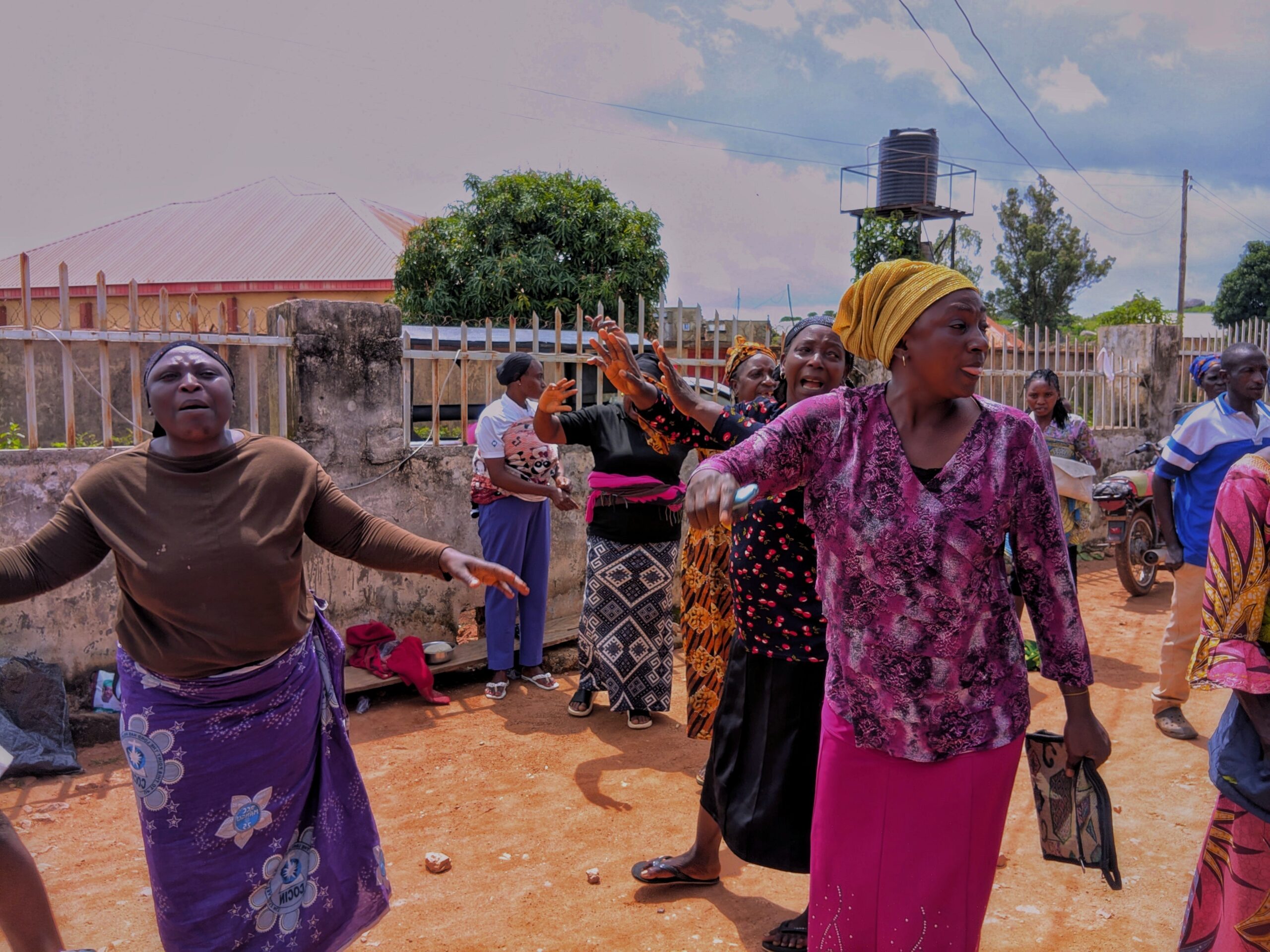
At least 29 people have been killed less than a week in separate attacks across Plateau State Nigeria’s Middle Belt, deepening fears among rural communities and renewing demands for urgent government action to stop recurring violence.
The deadliest attack occurred in Bin-Mper, Kombun District of Mangu Local Government Area, where 24 people were killed after gunmen stormed the community at about 11 p.m. on Monday, Aug. 17, 2026.
Four others were injured in the attack, which left families mourning and a two-year-old girl orphaned after she lost both parents.
The Mwaghavul Development Association Worldwide President, Bulus Dabit, confirmed the attack and called on youths to defend their communities against further attacks.
Dabit, who spoke in Mangu, described self-defence as a constitutional right and warned that communities could be overrun if residents failed to protect themselves.
“People cannot continue to wait helplessly while their communities are attacked,” Dabit said, urging youths to organise themselves and remain prepared to protect their communities.
Jonathan Kyesmang, President of the Mwaghavul Youth Movement, also confirmed the 24 deaths and called on President Bola Tinubu to establish state police.
Kyesmang said bringing policing closer to communities would improve response to attacks and strengthen local intelligence gathering.
Plateau State Attorney General and Commissioner for Justice, Philimon Dafi, also said the Bin-Mper attack strengthened the argument for state police.
According to Dafi, state police would bring internal security closer to rural communities and improve authorities’ ability to respond to threats before they escalate.
A survivor, who requested anonymity, said the attackers arrived at about 11 p.m. and opened fire on residents.
The survivor is now caring for Success Confidence, a two-year-old girl who lost both parents during the attack.
Residents said the immediate challenge is not only mourning the dead but also finding money to pay hospital bills for the injured.
They appealed for urgent financial assistance, saying many affected families cannot afford the cost of medical treatment.
The 24 deaths in Bin-Mper came alongside five other deaths recorded in separate attacks in Plateau, including Joseph Rugu and Chayi Demi and three vigilantes killed in Gwa Rim.
The combined death toll of 29 has once again placed Plateau’s security crisis under the spotlight, with communities questioning why vulnerable areas remain exposed despite repeated warnings and security concerns.
The Irigwe Youth Movement has meanwhile urged residents to remain vigilant and report suspicious movements to security agencies.
Community leaders say early warnings and local intelligence can help prevent attacks, but they insist residents cannot be expected to replace professional security forces.
The Plateau State Government condemned the attacks and sympathised with the families of the victims.
Governor Caleb Mutfwang directed security agencies to intensify surveillance and patrols in Bin-Mper and other vulnerable communities.
He also urged residents to provide information that could assist authorities in identifying and arresting those responsible.
But the latest killings have raised difficult questions about security preparedness, response time and accountability as three were killed in Riyom around 2am on 26th August 2026 and two others were also killed in Bassa Local Government Area on the 25th August 2026.
Residents want to know whether security agencies received warnings before the attacks, why the communities remained vulnerable and whether the perpetrators will eventually be identified and prosecuted.
For families who lost loved ones, however, the consequences extend far beyond the casualty figures.
Children have been left without parents, families have lost breadwinners and survivors are struggling to pay medical bills while communities live under renewed fear.
The attacks have also raised concerns about the impact of insecurity on farming and livelihoods, particularly as rural residents depend heavily on their communities for agricultural activities.
The repeated violence is creating a situation in which residents increasingly feel compelled to organise their own protection.
But community-based vigilance, leaders warn, cannot substitute for the state’s constitutional responsibility to protect lives and property.
The latest bloodshed therefore presents a fresh test for the Federal and Plateau State governments: whether they can move beyond condemnation and deploy effective intelligence, rapid response and sustained security operations to protect vulnerable communities.
Until perpetrators are identified and prosecuted and communities feel safe again, the deaths of 29 people will remain another grim reminder of the human cost of insecurity in Plateau State and Nigeria’s troubled Middle Belt.
Faith Chondol is a 300Level Student of Plateau State University Bokkos Department of Mass Communication.


Post Comment