From the Forests of Rijana to International Recognition: Mike Odeh James Wins HART Prize for Human Rights 2026
By Our Correspondent
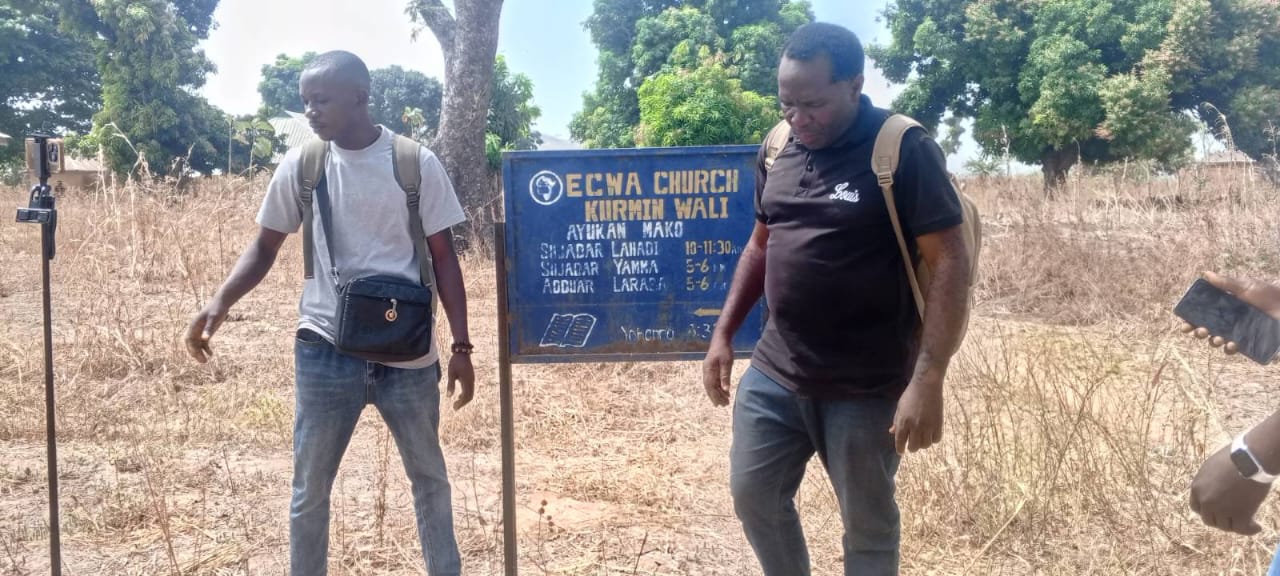
A groundbreaking investigation into kidnapping camps hidden deep within Nigeria’s Rijana Forest has earned international recognition, drawing renewed attention to one of the country’s most persistent but underreported security and humanitarian crises.
The Humanitarian Aid Relief Trust (HART UK), a leading British human rights organization, has awarded its 2026 HART Prize for Human Rights to Nigerian investigative journalist Mike Odeh James for his report, “Nigeria’s Hidden Gulag: Inside the Rijana Camps.”
The award was announced in London on June 10, 2026, with HART describing the investigation as an important contribution to public understanding of organized abduction networks operating in northwestern Nigeria.
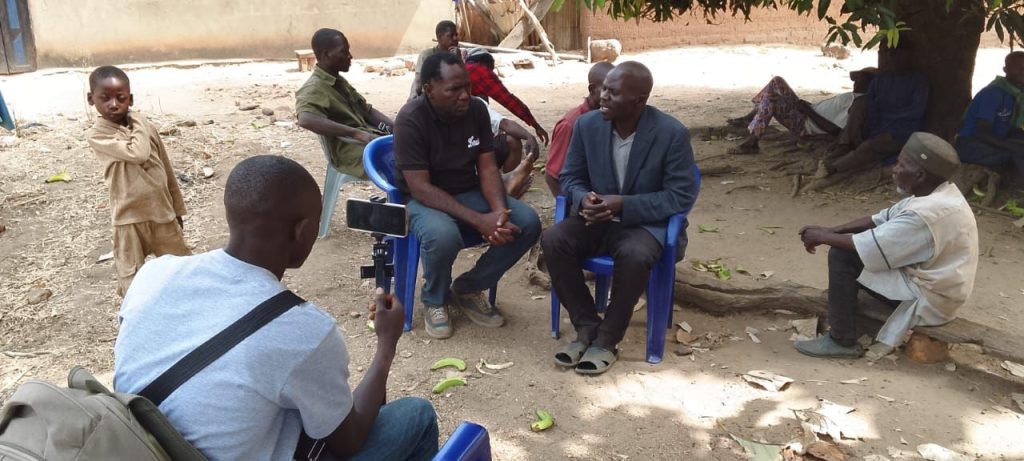
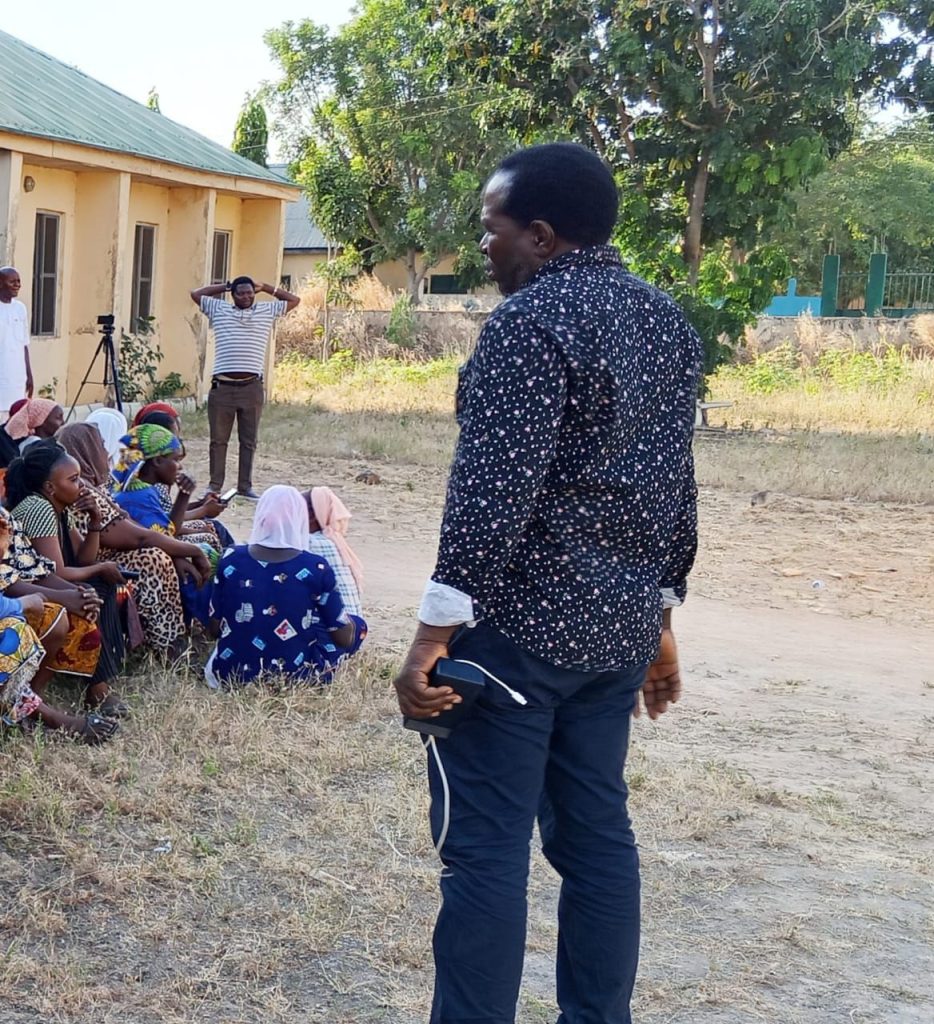
The report documented alleged mass kidnappings, detention sites hidden inside forested areas, and the experiences of survivors who spent months in captivity under brutal conditions. Through firsthand interviews and field reporting, the investigation shed light on a network of camps where victims reported starvation, violence, forced labor, and the psychological trauma of prolonged imprisonment.
For many observers, the significance of the report lies not only in the stories it told but also in what it revealed about the changing geography of insecurity in Nigeria.
Former BBC Lagos Correspondent Caroline Duffield noted that the investigation introduced substantial new information into the public domain.
“Mike’s report places significant new information into the public domain. That this many camps exist as far south as Southern Kaduna—in 2026—shifts our understanding of Nigeria’s security picture,” Duffield said.
The findings challenged assumptions that large-scale kidnapping operations were concentrated primarily in Nigeria’s northwest. Instead, the investigation suggested that criminal and militant networks have established extensive infrastructure stretching into parts of Southern Kaduna and neighboring regions.
The report painted a grim picture of communities living under constant threat. Families described the anguish of searching for missing relatives, negotiating ransoms, and enduring months of uncertainty. Survivors recounted the physical and emotional toll of captivity, while community leaders spoke of villages emptied by fear and repeated attacks.
HART’s judges said the testimonies documented in the investigation highlighted the urgent need for civilian protection and greater accountability.
Among those recognizing the importance of the report was Lord David Alton of Liverpool, a long-time advocate for human rights and religious freedom.
“The testimonies documented in this report underline the urgent need for protection of civilians and accountability for grave abuses,” Lord Alton said. “Where entire communities live under the shadow of abduction and violence, silence is not an option.”
The award comes at a time when kidnapping for ransom continues to devastate many parts of northern Nigeria. While security operations have disrupted some criminal networks, communities across Kaduna and neighboring states continue to face attacks, abductions, and displacement.
Human rights advocates argue that the true scale of the crisis remains poorly understood, particularly in remote rural areas where access is limited and survivors often struggle to tell their stories.
The HART Prize also recognized other journalists whose reporting focused on accountability and conflict-related abuses.
Second place was awarded to journalist Mary Kiara for her investigation, “Father’s Agony as Nigeria Denies Airstrike Killed Civilians.” The report examined allegations of civilian deaths following a military airstrike in Niger State and raised broader questions about accountability in aerial military operations.
A special commendation was presented to Lawrence Zongo for his work exploring conflict reporting in Nigeria’s Middle Belt. His reporting examined issues of identity, community narratives, and the experiences of Fulani Christian communities, while advocating for evidence-based journalism in deeply contested conflict environments.
For HART, the awards are intended not only to recognize journalistic excellence but also to amplify voices from communities affected by violence and persecution that often receive little international attention.
The organization’s latest recognition of reporting from Nigeria reflects growing international concern about insecurity, displacement, religious persecution, and human rights violations affecting millions of people across the country.
For the survivors whose stories formed the foundation of “Nigeria’s Hidden Gulag,” the award represents more than professional recognition. It serves as an acknowledgment that their suffering has been heard beyond the forests where many were held captive and beyond the villages where families continue to wait for missing loved ones.
Their testimonies helped expose a hidden reality. Now, through international recognition, those voices may contribute to a broader conversation about justice, accountability, and the urgent need to protect vulnerable communities across Nigeria.


Post Comment