By Lawrence Zongo
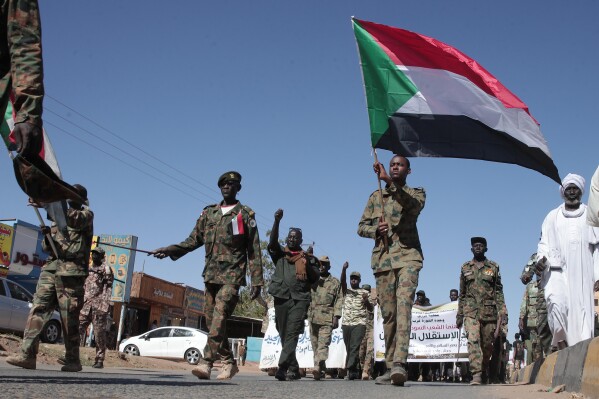
A fact-finding mission established by the United Nations has released a grave new report concluding that the Rapid Support Forces (RSF) carried out a coordinated and ethnically targeted campaign of violence in and around El-Fasher, Sudan, actions that investigators say bear “the hallmarks of genocide.”
The report marks the first time since Sudan’s civil war erupted in 2023 that the United Nations has formally indicated that atrocities committed during the conflict may have reached genocidal proportions. Investigators cited what they described as clear patterns of systematic ethnic targeting, widespread killings, sexual violence, and deliberate destruction of civilian infrastructure directed at non-Arab communities.
Ethnically Targeted Violence in El-Fasher
El-Fasher, the capital of North Darfur, became a focal point of intense fighting between the RSF and the Sudanese Armed Forces (SAF). After an 18-month siege, RSF forces captured the city in October 2025.
According to the U.N. mission’s findings and corroborating reports from humanitarian organizations and eyewitness accounts, RSF fighters conducted door-to-door raids, summary executions, and mass killings. Entire neighborhoods were reportedly targeted. Civilians were killed in homes, dormitories, marketplaces, and even within university compounds. Hospitals, internally displaced persons (IDP) camps, and humanitarian facilities were attacked, further deepening the suffering of already vulnerable populations.
The report estimates that in the final three days of the city’s fall alone, more than 6,000 people were killed. Thousands were shot while attempting to flee. Investigators documented cases of abductions, torture, and sexual violence, including systematic assaults against women and girls. Temporary detention sites were allegedly established where civilians were subjected to abuse. There were also reports that bodies were buried in mass graves or burned in an apparent attempt to conceal evidence.
The U.N. mission concluded that “genocidal intent is the only reasonable inference” that can be drawn from the RSF’s pattern of conduct, particularly its explicit targeting of non-Arab ethnic groups such as the Zaghawa and Fur communities.
Broader Civil War Devastation
While the violence in El-Fasher appears to have had a strong ethnic dimension, the wider conflict between the RSF and the SAF has inflicted devastating harm across Sudan. Since fighting began in April 2023, at least 40,000 people are believed to have been killed. Between 12 and 13 million people have been displaced internally or across borders, making Sudan the site of what many agencies now describe as the world’s largest displacement crisis.
Communities throughout Darfur and other regions have experienced bombardment, armed raids, looting, and forced displacement. Civilians continue to bear the brunt of the violence, with limited access to food, healthcare, shelter, and basic services.
Religious institutions have also been affected. Reports indicate that more than 165 churches have closed since the war began. Some church buildings have reportedly been occupied for military use, while others have been damaged or destroyed during clashes. Clergy members have been targeted in raids, and worshippers sheltering inside church compounds have faced grave risks. In some instances, aerial bombardments by the Sudanese Armed Forces have struck areas where civilians had taken refuge, including places of worship.
Humanitarian Access and International Response
The U.N. report underscores that both the RSF and the SAF have engaged in conduct that has caused extensive civilian suffering. Investigators noted repeated obstruction of humanitarian assistance by both sides, often preventing food, medical supplies, and relief personnel from reaching affected communities. Aid routes into Darfur and other conflict zones have been blocked or rendered unsafe, compounding famine risks and disease outbreaks.
The United States has previously stated its assessment that the RSF is responsible for acts of genocide and has imposed sanctions targeting the group and its leadership. Following the release of the U.N. report, American authorities announced additional sanctions measures, reinforcing international pressure.
Human rights organizations and humanitarian agencies are calling for urgent accountability, protection of civilians, and immediate unhindered humanitarian access. The U.N. mission has urged the international community to take coordinated action to prevent further atrocities, safeguard survivors, and ensure that perpetrators are held responsible under international law.
As Sudan’s conflict continues with no comprehensive ceasefire in place, the findings serve as a stark warning of the scale of human suffering and the urgent need for sustained diplomatic engagement, civilian protection measures, and accountability mechanisms to prevent further escalation.


Post Comment