By Palang Paul
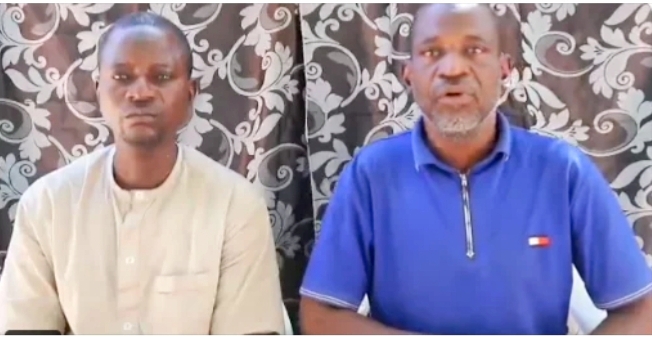
A chilling new video has surfaced, revealing the desperate plight of a former Borno State local government official held captive by Islamic State-aligned terrorists, who are demanding a staggering $300,000 (approximately 423 million Naira) for his release. The case of Hon. Hassan Biu Miringa underscores the persistent and brazen nature of Nigeria’s kidnapping epidemic, which continues to afflict civilians and public figures alike despite sustained military campaigns.
Hon. Hassan Biu Miringa, who served as Vice Chairman of Biu Local Government Area from 2020 to 2022, was abducted alongside a companion on December 17, 2025. The men were seized while traveling on the perilous road from Miringa to the state capital, Maiduguri—a route that remains notoriously dangerous despite being a key artery in the conflict-ridden Northeast.
A Direct Appeal from Captivity
In the footage, circulated by security analyst Zagazola Makama, Miringa appears under duress, directly addressing Borno State’s political leadership. “We were abducted by soldiers of Khilafa… about 14 days ago and we are still held under their captivity,” Miringa states, using the terrorists’ term for their faction. He confirms that negotiations have occurred across “four different faces” and that an “understanding” had been reached, squarely placing the issue of ransom at the feet of the community.
His appeal is targeted and poignant, naming Deputy Governor Usman Umar Kadafur, federal lawmaker Hon. Betera Aliyu, and several community leaders. “We are calling on our leaders… to temper justice with mercy to come to our aid,” he pleads, framing himself and his fellow captive as “their children.” The emotional appeal highlights the complex web of communal and political obligations that such crises activate.
The Staggering Price of a Life
The terrorists’ demand—$150,000 per person—lays bare the lucrative economics of kidnapping in the region. For jihadist groups like Boko Haram and its ISWAP splinter, abductions for ransom have become a central pillar of financing, supplementing other illicit activities. This specific demand, translating to hundreds of millions of Naira, is calibrated to extract maximum value from a high-profile victim with perceived connections to government resources.
Miringa’s disclosure of the sum is a tactical move from captivity, intended to pressure authorities and the community into rapid action. “We are hoping that you will hear our cries and come to our aid,” he implores, linking their rescue to the broader desire for “lasting peace.” His words transform a personal tragedy into a public test of governance and solidarity.
A Crisis in Context
This abduction is not an isolated incident but part of a relentless pattern. While major military operations have degraded terrorist-held territory, asymmetric tactics including highway kidnappings, raids on villages, and targeted abductions have intensified. Civilians, humanitarian workers, and government officials remain in the crosshairs, their fates often hinging on protracted and secretive ransom negotiations.
The public video appeal represents a now-common terror tactic: using the media to exert pressure, demonstrate power, and humiliate the state. By forcing a former official to beg for his life, the terrorists aim to project authority and highlight the government’s inability to secure its own people and territories.
The Policy Dilemma
The case resurrects the agonizing policy dilemma at the heart of Nigeria’s kidnap crisis: to pay or not to pay. The official government stance remains a refusal to negotiate with or fund terrorists. However, in practice, countless families and communities engage in private negotiations, often depleting life savings and selling assets to secure freedom for loved ones. When public figures are involved, the pressure on local authorities to facilitate a deal—covertly or otherwise—becomes immense.
Payment, while saving lives in the short term, fuels the very machinery of terror, guaranteeing future abductions. Non-payment, however, often condemns captives to execution or indefinite slavery. For the leaders Miringa named, the decision carries immense moral, political, and security weight.
Awaiting Response
As the video circulates, attention now turns to the Borno State government and the security agencies. There has been no immediate official statement regarding the specific ransom demand or any ongoing rescue operation. The silence itself is deafening for a region weary of violence and for a family clinging to hope.
The clock is ticking for Hassan Biu Miringa. His public appeal from the shadows of terror is a stark reminder that beyond the headlines of military gains, a brutal war for survival, finance, and psychological dominance continues to play out, with human lives as its primary currency.


Post Comment