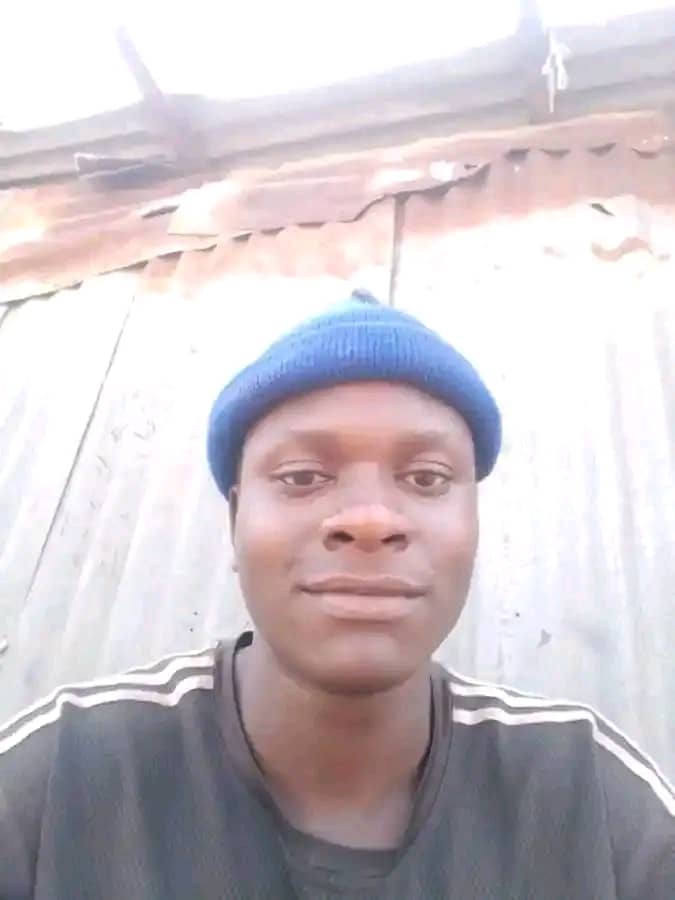
By Palang Paul/The Nigeria Times
Daffo is a largely agrarian community in Bokkos Local Government Area of Plateau State, where farming, small-scale mining, and commercial motorcycle transport remain the backbone of daily survival. For years, residents have lived under the shadow of insecurity. On the evening of January 9, 2026, that fear was once again realized when a commercial motorcyclist, Mr. Mangut Thomas Malan, was ambushed and killed while returning home from a routine trip.
Mr.Mangut Thomas Malan was attacked along a rural route linking a mining site in Fubok Daffo to nearby settlements, according to locals. He had just dropped off a passenger at the mining area and was on his way back when Fulani militias intercepted him.
Residents said the attack followed a familiar pattern frequently reported in the Daffo district, where Fulani ambush commercial motorcycle riders—commonly known as okada riders—along isolated roads to steal their motorcycles. In this case Mr. Malan was shot at close range before his Bajaj motorcycle was taken, leaving him lifeless by the roadside.
Community members described Mr. Mangut Thomas Malan as a hardworking young man who relied on farming and commercial riding to support himself and his family. His killing has heightened fear among okada riders, many of whom now avoid evening movements or refuse to travel to mining areas and remote villages.
“This is how they usually operate,” said a local resident of Hottom Daffo who requested anonymity for security reasons. “They hide along the road, stop the rider, shoot him, take the motorcycle, and disappear. It has happened many times in Daffo.”
Daffo village and its surrounding communities have endured repeated attacks over the years. Local leaders estimate that at least 150 people have been killed in Fulani militia-related violence in the area over the past three years alone. Many residents have been forced to flee their ancestral homes, abandoning farmlands and livelihoods due to persistent insecurity.
Plateau State, located in Nigeria’s North Central region popularly known as the Middle belt, has become one of the country’s most volatile areas, particularly for rural Christian communities. Attacks have included killings, kidnappings, ambushes on travelers, and raids on villages, often targeting farmers and commercial transport operators who rely on rural roads for survival.
Residents of Daffo say the killing of Mangut fits into a broader pattern of violence that has gone largely unaddressed. Despite repeated complaints and appeals, community members said security presence in the area remains minimal, with no permanent checkpoints or patrols along known flashpoints.
Following the incident, villagers said no arrests had been made as of the time of filing this report. The victim’s body was later recovered by locals, while fears remain that the attackers could strike again.
“Our people are tired,” said a community member. “Young men are being killed, motorcycles are being taken, and families are left with nothing. How long can we continue like this?”
Humanitarian sources report that displacement continues to rise across Bokkos and neighboring local government areas, with many families now dependent on relatives or informal support networks. Farming activities have also been disrupted, worsening poverty and food insecurity. Last year a Non Profit Organisation The Blessing Projects has help empowering 100 Vulnerable women in poultry farming with a little token to ease their suffering cause by this fulani ethnic Militias.
Civil society groups and Christian leaders have renewed calls for urgent government intervention, including improved intelligence gathering, protection for rural roads, and decisive action against armed militias operating in Plateau State. They warn that continued attacks on civilians, particularly young men trying to earn a living, risk further destabilizing already fragile communities.
For the people of Daffo, the death of Mangut Thomas Malan is not just another statistic—it is a painful reminder of the dangers faced daily by ordinary citizens. As night falls and motorcycles remain parked in compounds, residents say fear has become a constant companion, while justice and security remain painfully out of reach.


Post Comment