By Palang Paul
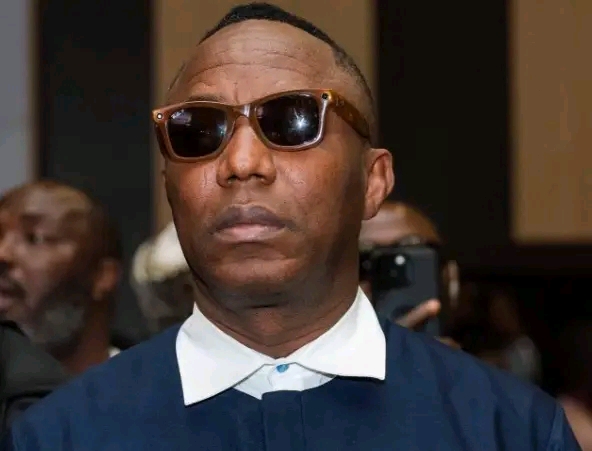
Human rights activist and African Action Congress presidential AAC candidate Omoyele Sowore has called for a ₦500,000 national minimum wage for Nigerian workers, insisting that current salaries can no longer sustain millions of households battling Nigeria’s deepening economic crisis.
Sowore said public servants deserve wages that reflect the harsh realities of rising food prices, transportation costs, rent, healthcare bills and school fees across the country.
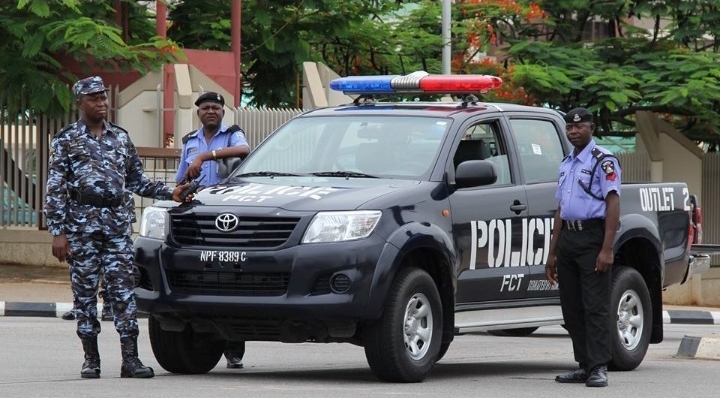
According to him, police officers, soldiers, teachers, doctors, nurses and other public workers should earn salaries capable of guaranteeing decent living standards, while employees in high-risk and essential sectors should receive additional allowances for the sacrifices and dangers attached to their jobs.
The Human rights activist also unveiled an ambitious mass public housing plan, promising that a future administration under his leadership would construct one million environmentally sustainable public homes across Nigeria.
Unlike previous government housing schemes, Sowore said the proposed estates would be mixed-income communities designed to eliminate the segregation often associated with “low-income housing.”
He explained that the estates would include green spaces, schools, shopping malls, theatres, clinics, playgrounds, transport access and other community facilities aimed at improving quality of life for residents.
“For too long, corrupt elites have hijacked land and houses meant for the people, using stolen public funds to build mansions they do not even live in,” Sowore said, vowing that such practices would end under his administration.
He maintained that affordable and dignified housing should be treated as a social right rather than a privilege reserved for the wealthy.
Sowore’s proposals come amid mounting public concern over inflation, unemployment and the rising cost of living in Nigeria, where many workers and families continue to struggle under severe economic pressure.
His comments are expected to fuel national debate over labour welfare, housing inequality and the role of government in addressing the country’s widening social and economic challenges.




Post Comment