By Palang Paul
At least seven people killed in a series of attacks on Miango community of Bassa Local Government Area in Plateau State, raising fresh concerns about the protection of civilians and the continued violation of the right to life in North Central Nigeria.

Residents say the attacks which occurred on separate nights, targeted homes and left multiple people injured. Among the victims was 12-year-old Ngwe Ayuba Isa, who had gone to cut grass near a riverside on February 24 but never returned home.
His body was later found near the water’s edge.
Community members said that armed assailants carried out the killings with impunity.
Rising Death Toll and Community Fear
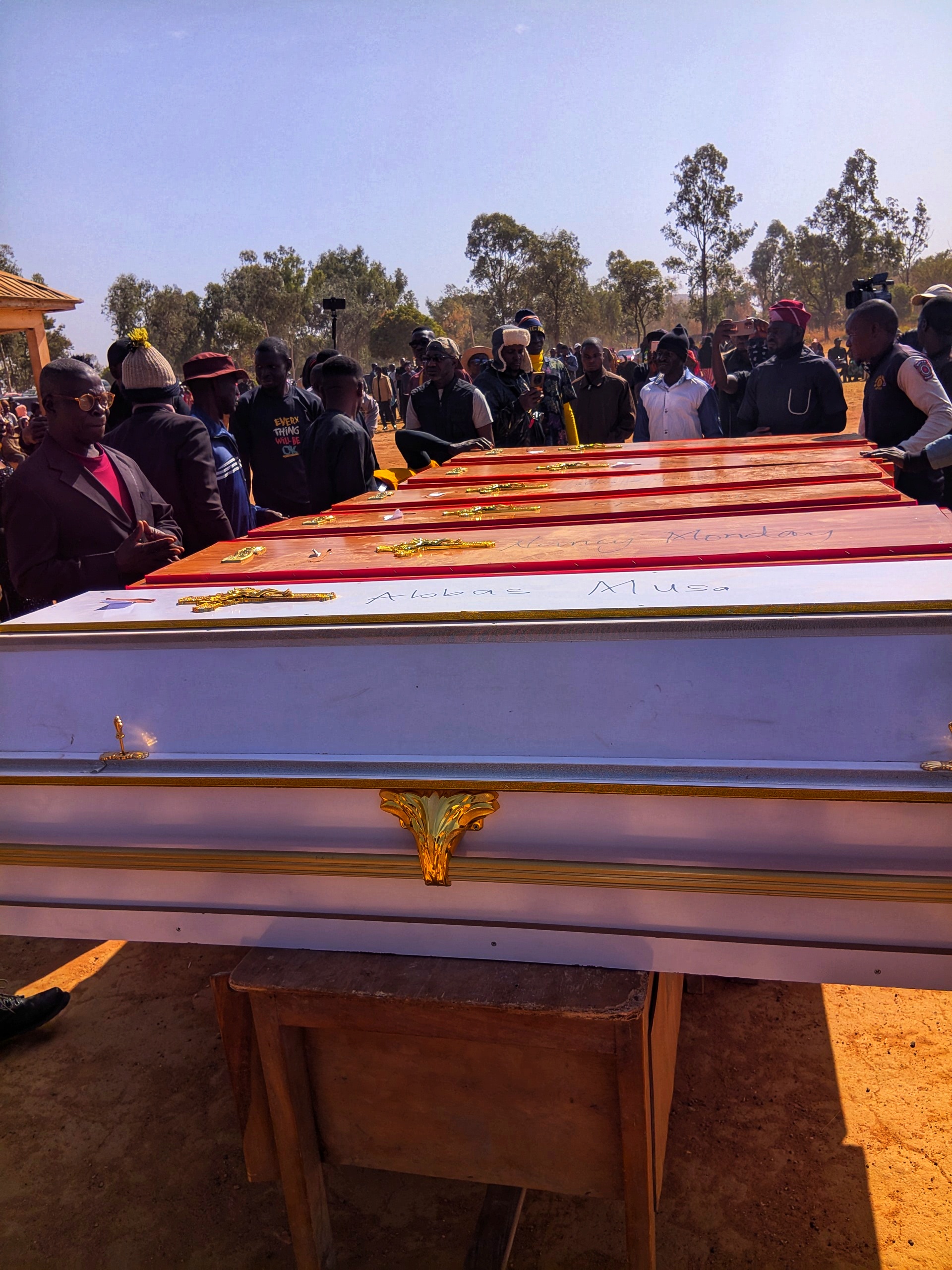
Local sources confirmed that at least seven people were killed within a week, including a civil servant, teenagers, and children. Six victims were buried in a mass grave on February 28, underscoring the scale of the violence.
Survivors of the attacks are receiving treatment for gunshot wounds, while many residents say they now live in constant fear.
“We no longer feel safe in our homes,” said a resident who requested anonymity due to security concerns. “The attacks come at night, and there is nowhere to run.”
A Pattern of Violence
Miango, a agrigarian community located in Bassa Local Government Area, lies in North Central Nigeria—a region long affected by recurring communal violence involving farmers and herders, as well as ethnic killings.
Local leaders describe the latest incidents as part of a broader pattern of attacks that have persisted for years, leaving communities vulnerable despite the presence of security forces in nearby areas.
The paramount ruler of the Irigwe Chiefdom his Royal Highness Brra Nggwe Rigwe called for urgent government intervention, including stronger security measures and a review of land-use practices.
“We cannot continue like this,” the traditional leader said. “People are living in fear, and many have lost their lives.”
Human Rights Concerns
The killings have renewed focus on Nigeria’s obligation to protect the right to life, a fundamental right guarantee under section 33 of the Nigeria Constitution and in Article 6 of the International Covenant on Civil and Political Rights (ICCPR).
Nigeria is a signatory to the International Covenant on Civil and Political Rights, which states that every human being has an inherent right to life and that governments must take appropriate steps to safeguard it.
Human rights organizations, including Amnesty International, have repeatedly called on authorities to investigate attacks in the region and ensure accountability for perpetrators.
In Miango, residents say those protections remain insufficient.
One Family’s Loss
For Ayuba Samuel father of 12 year Ngwe Isa Ayuba, the violence is deeply personal.

Standing near his home, he recounted how his 12-year-old son left to cut grass and never returned home.
The boy’s killing, he said, is one of several losses his family has suffered over the years.
“My father was killed, and now my son,” he said.
“I don’t know what will happen to my remaining children.”
Samuel also reported losing livestock—his primary source of livelihood—during previous attacks, compounding the family’s hardship.
Victims of the Attack
The victims are:
· Dr. Abbas Sunday Musa, 58years
· Ngwe Ayuba Isa, 12years
· Nuhu Isaiah Zongo, 10years
· Henry Dah Yakubu, 17years
· Mathew Zongo Sunday, 17years
· Nancy Monday, 17years
· Tamar Monday, 13years
At the mass burial program, Ezekiel Beni, president of the Irigwe Youth Movement, did not mince words.
“We are tired and can no longer take this again because enough is enough,” Beni said. “We have cried, we have talked, and nothing is happening. In Nigeria, we don’t have protection.
Calls for Accountability
Community leaders and local groups are calling for the Immediate deployment of additional security personnel,Medical support for injured survivors,Independent investigations into the attacks, and Prosecution of those responsible
Some local voices have also raised concerns about the effectiveness of current security responses, though authorities have not publicly addressed those claims.
The chairman of Bassa Local Government Area Honourable Joshua Riti visited the community to express sympathy but did not provide details on planned security measures,saying he’s a part of the government known for leaving citizens vulnerable to attacks.
Unanswered Questions
As the community mourns, key questions remain unresolved,
Who is responsible for the attacks?
Why do such incidents continue despite security presence not far from the place of attack?
What steps are being taken to prevent further violence?
A Community Waiting
For now, Miango residents continue to bury their dead and care for the wounded, uncertain of what comes next.
In the riverside fields where Ngwe Ayuba Isa was last seen, daily life has resumed—but under a cloud of fear.
For families like Samuel’s, the concern is no longer just about loss, but survival.
“I just want my children to live,” he said.
Palang Paul is a Human Rights Defender and Campaigner reporting on Conflict and Security for The Nigeria Times.


Post Comment