By Palang Paul
Civil society organisations and policy advocates have launched a new tax governance platform in Plateau State aimed at improving public understanding of Nigeria’s recent tax reforms and strengthening citizen engagement in fiscal accountability.
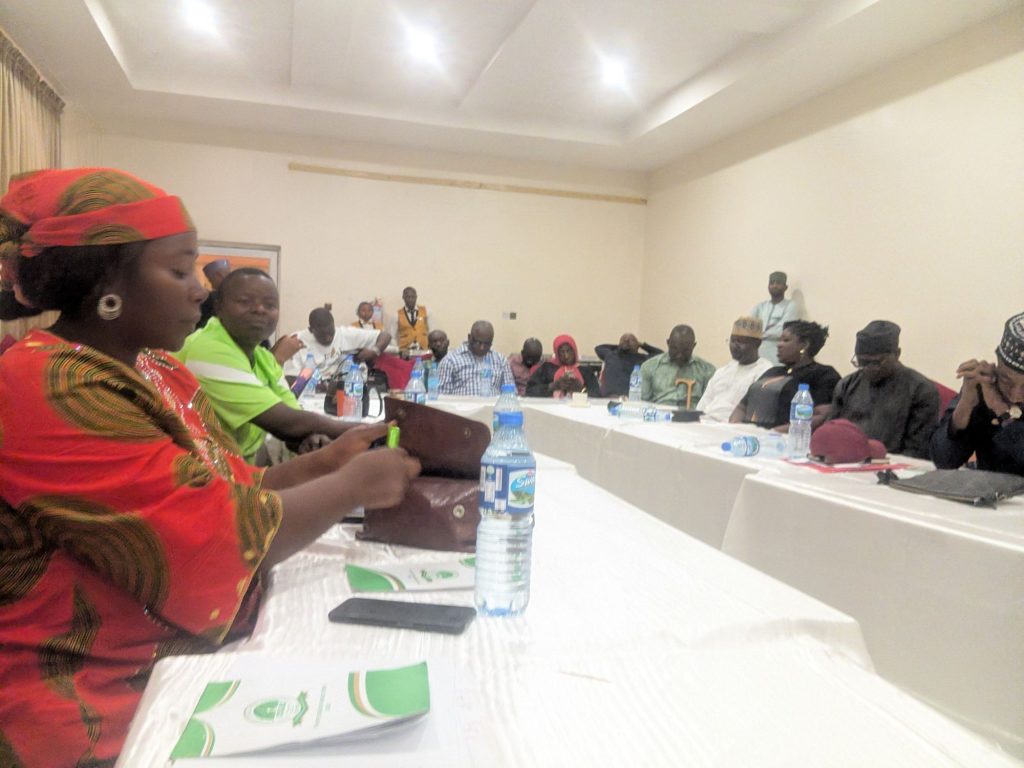
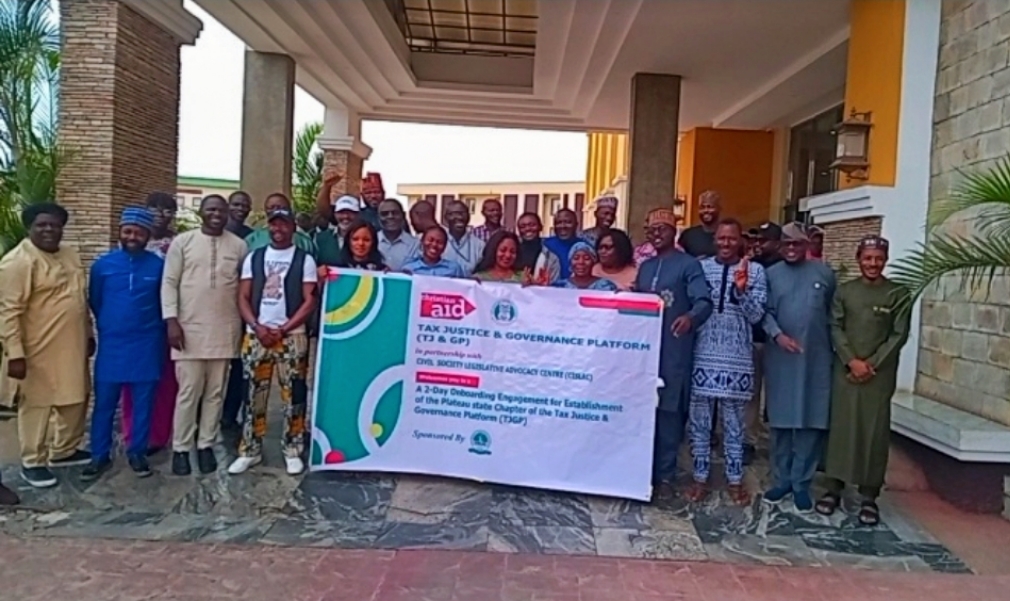
The initiative, led by the Civil Society Legislative Advocacy Centre (CISLAC) in collaboration with the Tax Justice and Governance Platform (TJ&GP), was unveiled during a two-day onboarding session held on March 24th and 25th respectively in Jos the Plateau State capital.
The event brought together civil society groups, community leaders, and other stakeholders to discuss the implications of Nigeria’s new tax regime and the role citizens can play in ensuring transparency and fairness in how tax revenues are managed.
Bringing Tax Policy Closer to the People
Held at Diamond Hall, Crispan Suite and event Centre, the discussions focused on how recent tax reforms could affect everyday Nigerians—from traders and workers to families navigating rising economic pressures.
Organisers said the platform is designed to bridge the gap between government tax policies and public understanding, particularly at the state level.
Speaking at the event, Ayo Omowu of CISLAC said the Plateau launch is part of a broader national effort to ensure citizens not only understand the new tax laws but also hold authorities accountable for how revenues are used.
“We want people to know how the law works and how tax revenue is supposed to serve the public,” he said.
Context: Nigeria’s Tax Reform Agenda
Nigeria’s federal government says the new tax laws, signed in June 2025, are part of a wider strategy to improve revenue generation, reduce reliance on oil income, and simplify compliance.
In his 2026 budget speech, President Bola Ahmed Tinubu said the reforms are expected to enhance “transparency, efficiency, fairness, and long-term value” in the country’s fiscal system.
Government officials have also linked improved tax policy to broader economic performance, citing a reported GDP growth of 3.4 percent in 2024 and emphasizing domestic revenue mobilisation as central to national development.
A Platform for Dialogue and Advocacy
Stakeholders at the Jos meeting said the new Plateau chapter of the Tax Justice and Governance Platform TJ&GP would provide a structured platform for dialogue between citizens and government on taxation and service delivery.
Chinedu Bassey, a national member of the platform, said the initiative would help promote tax equity while creating opportunities for citizens to provide feedback on fiscal policies.
Similarly, Ugochukwu Munachi of Christian Aid for West and Central Africa noted that tax reforms are often misunderstood, making public engagement essential.
“This platform creates space for citizens to ask questions and receive clear explanations,” he said.
Asaolu Dolapo Dorcas, CISLAC’s Program Gender Officer and project lead for the Christian Aid-supported intervention, said Plateau State was selected due to the organisation’s existing work in the region and the need to strengthen local participation in tax governance.
Building Capacity and Structure
According to organisers, the platform will focus on: Strengthening civil society and institutional understanding of tax governance frameworks,Promoting evidence-based advocacy on fiscal policies,Facilitating multi-stakeholder dialogue on tax-related challenges,Developing a state-specific tax justice agenda and annual work plan
The platform is open to both individuals and organisations interested in taxation and public finance issues in Plateau State.
Two-Day Engagement
The onboarding session was structured to combine learning and planning.
Day One focused on platform orientation, stakeholder mapping, governance structures, and peer learning while
Day Two centred on capacity building, strategic planning, formal inauguration, and defining next steps
Organisers said follow-up engagements are planned to sustain momentum and expand public awareness across the state.
Looking Ahead
As Nigeria continues to reform its tax system, initiatives like the Plateau Tax Justice and Governance Platform chapter highlight the growing role of civil society in shaping fiscal transparency and accountability.
For participants in Jos, the goal is clear: ensuring that tax policies are not just government directives, but tools that serve the public interest.





Post Comment