
By Palang Paul
Fresh coordinated attacks on communities in Barkin Ladi South of Jos have once again exposed the fragile security situation in Plateau State Nigeria Middle Belt, where residents say fear, displacement and repeated violence have become part of daily life.
Late Saturday evening 9th May 2026, heavily armed Fulani terrorists stormed several communities in Barkin Ladi Local Government Area, killing at least Eight Christians people, including a police inspector officer, and injuring several others in what residents and community leaders described as a well-coordinated assault on vulnerable settlements.
The attacks, which reportedly began around 6:30 p.m., affected Sabon Layi, Rakung, Gangare and areas around the General Hospital axis of Zat and Bet. Witnesses said sustained gunfire echoed across the communities as terrified residents fled into nearby bushes and safer neighbourhoods.
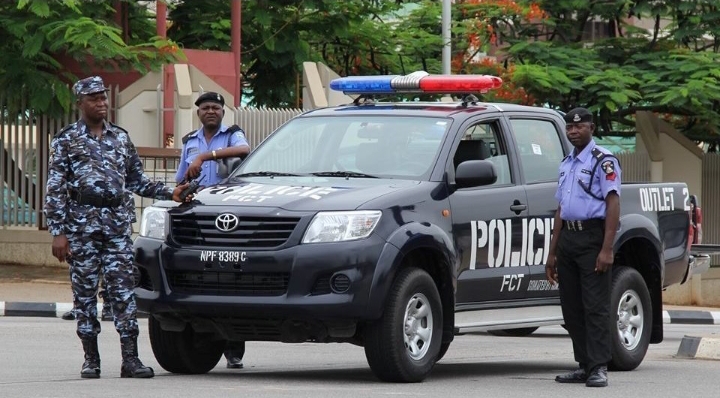
Community leaders alleged that armed Fulani militias invaded the settlements in large numbers, arriving on motorcycles and on foot while firing sporadically at residents. Though security personnel were present in parts of the town, residents claimed the response was slow and insufficient to repel the attackers quickly.
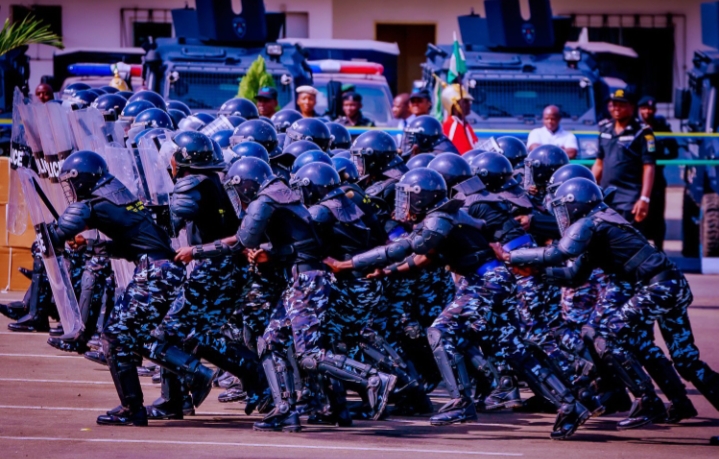
The violence occurred within the vicinity of Sector 4 of Operation Safe Haven, the military-led multi-security task force responsible for maintaining peace in Plateau and other parts of the North-Central region.
Local youth leader, Barrister Solomon Dalyop, said the attacks spread rapidly across different communities, forcing residents to abandon their homes as darkness descended on the town.
“There were gunshots everywhere. Families ran in different directions looking for safety while many people remained trapped,” a resident who pleaded anonymity told reporters on Sunday.
David Nanpet, an eyewitness App documenter and Volunteer with International Committee on Nigeria ICON, said attackers moved through the communities “shouting and shooting” while security forces struggled to contain the situation.
“I saw three people killed,” he said, adding that the assault was still ongoing hours after it started.
Residents also reported suspicious movements around the Low-cost area of Barkin Ladi, raising fears that more communities could come under attack.
Rising Death Toll, Growing Fear
The latest violence adds to an already worsening cycle of attacks in Plateau State, particularly in rural communities across Barkin Ladi, Riyom, Bassa,Bokkos and Mangu local government areas, where deadly raids have repeatedly displaced families and destroyed livelihoods.
In a statement issued after the attacks, the Berom Youth Moulders-Association condemned what it described as “persistent security failure” despite the presence of military checkpoints and security personnel across Barkin Ladi town.
Signed by its National Publicity Secretary, Rwang Tengwong, the statement said bodies recovered as of 1:00 a.m. Sunday had been deposited at the mortuary, while at least six injured persons were receiving treatment.
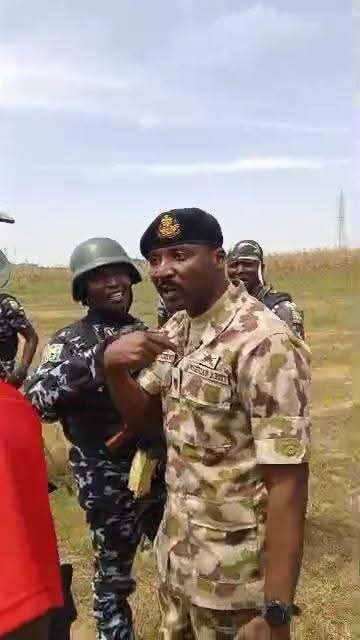
The association renewed its earlier vote of no confidence in some personnel of Operation Enduring Peace whose names are Colonel Victor Asuquo Sector 4 Commander in Barkin, and the Operations Officer, Captain Bello. accusing security operatives of negligence and inability to adequately protect vulnerable communities.
“Communities continue to come under coordinated attacks in broad daylight and at night without any swift or effective response from security operatives,” the statement read.
“Residents now live in constant fear while armed attackers move freely across communities unleashing terror on innocent civilians.”
The group further criticised the Plateau State Government over what it described as weak humanitarian intervention in affected communities.
According to the association, traumatised residents are often left alone to evacuate corpses after attacks, sometimes wrapping bodies in local cloths and carrying them by hand due to lack of emergency response support.
The group described the situation as both degrading and dangerous to public health.
Humanitarian Crisis Deepens
As attacks continue across Plateau communities, concerns are growing over the humanitarian impact of the violence.
Solomon Chollom, President of the Plateau State Association UK, warned that Plateau State was gradually sliding into a deeper humanitarian emergency driven by recurring killings, displacement and trauma.
Chollom said communities affected by violence now face multiple crises simultaneously, including loss of lives, destruction of homes and farmlands, disrupted farming activities, poor trauma care and the absence of coordinated evacuation systems for victims.
He questioned the visibility and effectiveness of the State Emergency Management Agency, noting that residents are frequently left to search for bodies and rescue injured victims without official support.
“With the frequency of these challenges, it may be time for Plateau State to consider a full-fledged ministry on homeland security and disaster management,” he said.
According to him, such a ministry could coordinate emergency response efforts, manage temporary shelters for displaced persons, document attacks and provide professional trauma and humanitarian support to victims.
He stressed that while government must prioritise ending the killings, failure to stop the violence should at least be met with strong humanitarian intervention capable of restoring hope to affected communities.
A Pattern of Violence
The Barkin Ladi attack came barely days after another deadly assault on Ngbra-Zongo village in Kwall District of Bassa Plateau State, where community leaders said 11 people, including two pregnant women, children and elderly residents, were killed in a midnight attack.
Civil society groups and international observers have continued to raise concerns over the persistent violence affecting communities in Nigeria’s Middle Belt region.
Recent reports by advocacy organisations and faith-based monitoring groups have accused armed Fulani ethnic militias and criminal groups of carrying out repeated attacks on farming communities, worsening displacement and deepening ethno-religious tensions across the region.
Despite repeated deployments of security forces and military operations, many residents say rural communities remain exposed and vulnerable.
In Barkin Ladi on Sunday, fear still hung heavily in the air as security patrols continued across affected areas and families counted their losses.
For many residents, however, the recurring attacks have become more than a security concern; they are now a painful reminder of a crisis that continues to claim lives while communities wait for protection, justice and lasting peace.
Palang Paul reports on Security and Conflict for The Nigeria Times.


Post Comment