
By Palang Paul
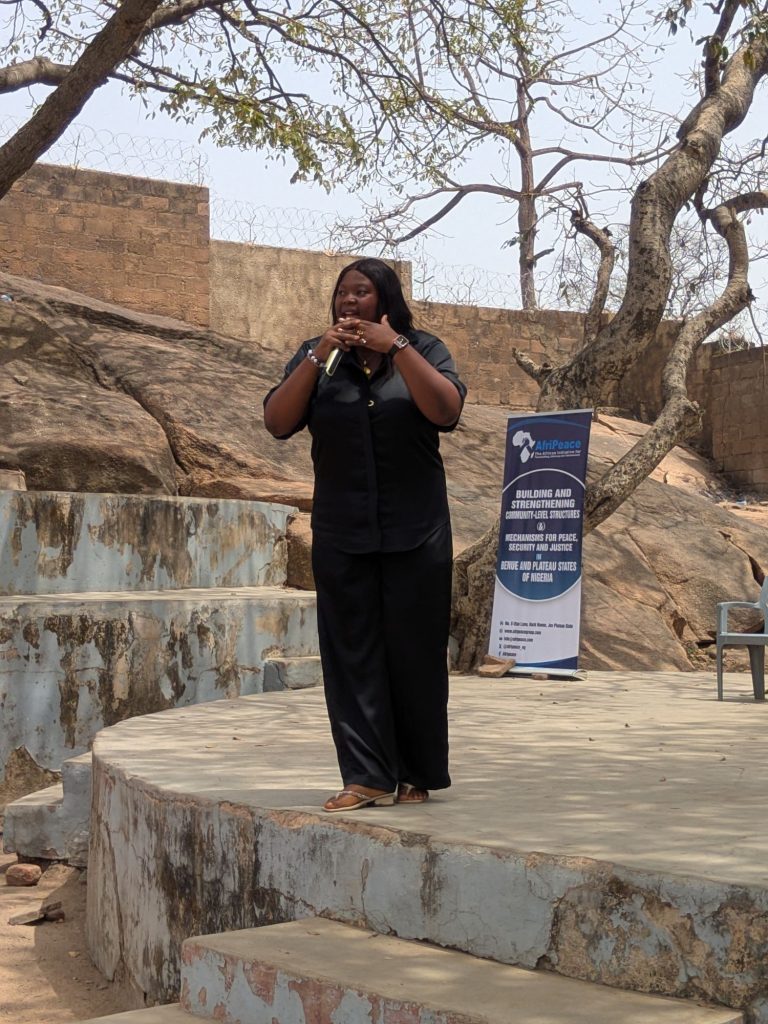
Rahab Yachat Kwaja, Program Officer of African Initiative for Peacebuilding, Advocacy and Advancement (AfriPeace), said peacebuilding efforts in Plateau and Benue states are being strengthened through community-driven dialogue platforms, including participatory theatre engagements designed to equip citizens with practical mediation skills.
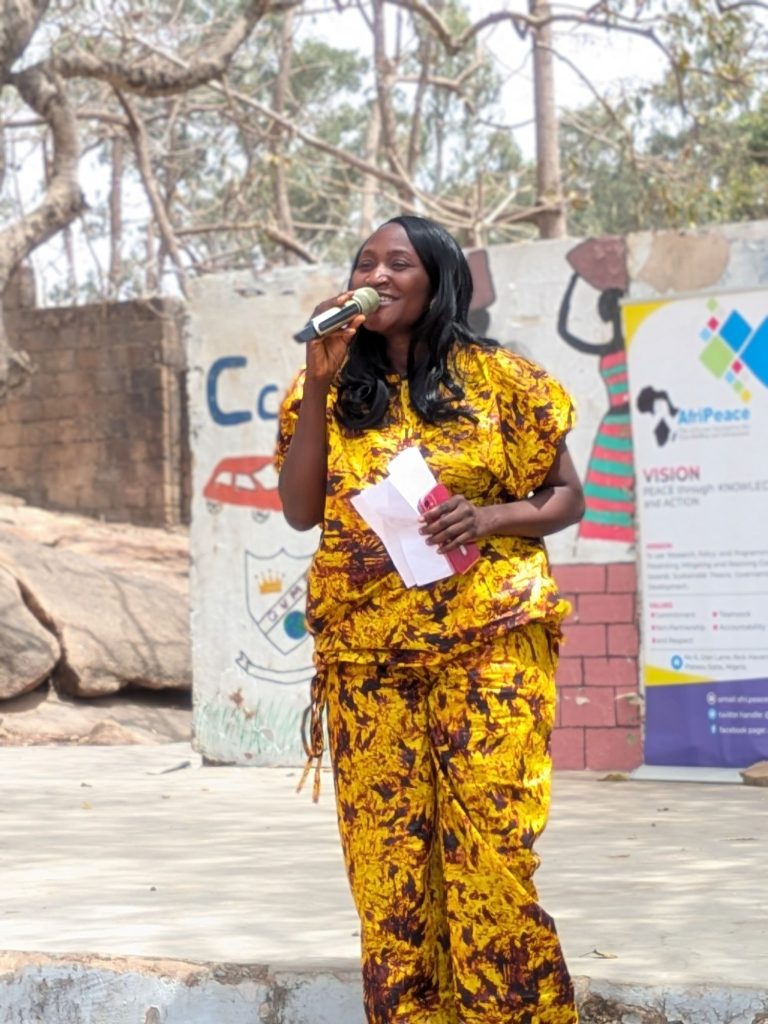
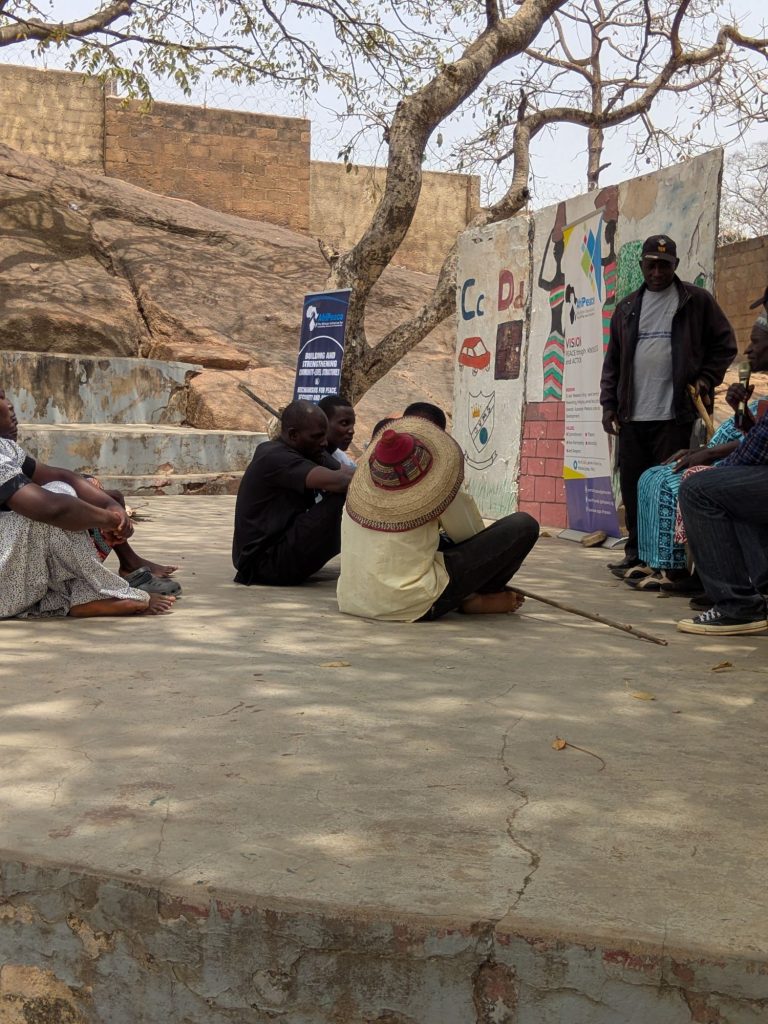
Kwaja spoke at a large participatory theatre session held at the Open Theatre of the University of Jos, on February 20th where students and community representatives both Muslims and Christians from conflict communities gathered to take part in a live conflict-simulation exercise. The engagement formed part of AfriPeace’s ongoing project titled Building and Strengthening Community-Level Structures and Mechanisms for Peace, Security and Justice, supported by SPRiNG.

According to Kwaja, the initiative focuses on strengthening alternative dispute resolution (ADR) mechanisms, enhancing mediation capacity, improving communication channels, and reinforcing early warning systems within communities affected by recurrent violence.
“Peace is not built only in formal meetings,” Kwaja said during the session. “It is built when communities understand one another, communicate effectively, and take ownership of resolving their disputes.”
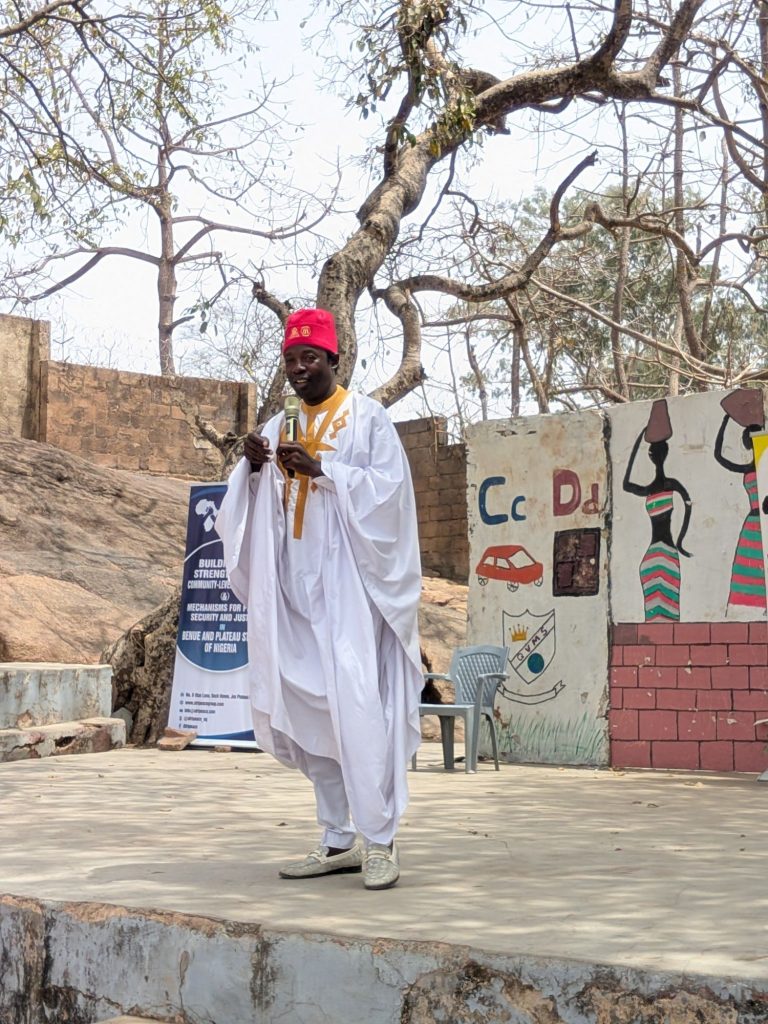
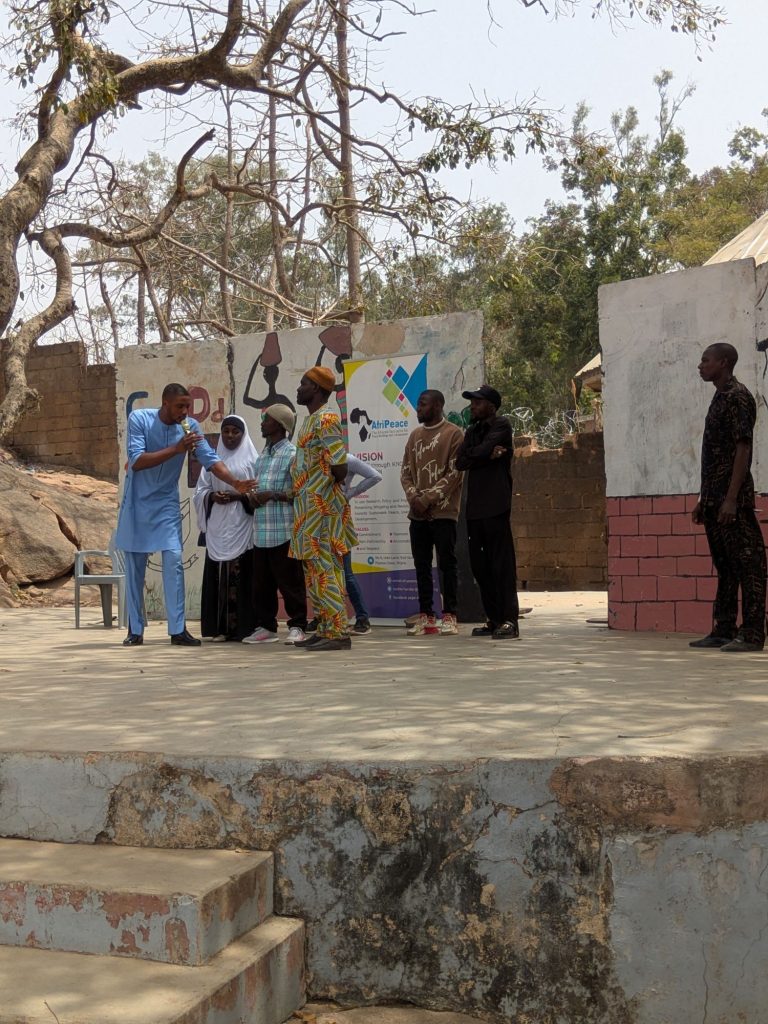
The participatory theatre session brought together students and participants from Mangu, Bassa, Bokkos, Jos South, Riyom, and Jos North local government areas. Through role play, storytelling, and guided dialogue, participants reenacted real-life conflict scenarios, including land disputes, farmer–herder tensions, and interpersonal grievances. Attendees were invited to step into different roles, including those of mediators, disputing parties, and community leaders, in order to explore non-violent approaches to resolution.
King Lemuel, a 300-level Theatre Arts student, participated in one of the simulations as a mediator. He said the practical nature of the exercise provided skills he intends to apply within his community in Kaduna State.
“From this program, I have learned how to be a mediator,” Lemuel said. “If I go back home and there are conflicts, I can help people find common ground. Even within the university, when students have issues, I can contribute to a balanced resolution.”
Another participant, David Redzie John, a 300-level Political Science student and President of the National Association of Irigwe Students on campus, said the session addressed both rural and urban conflict dynamics.
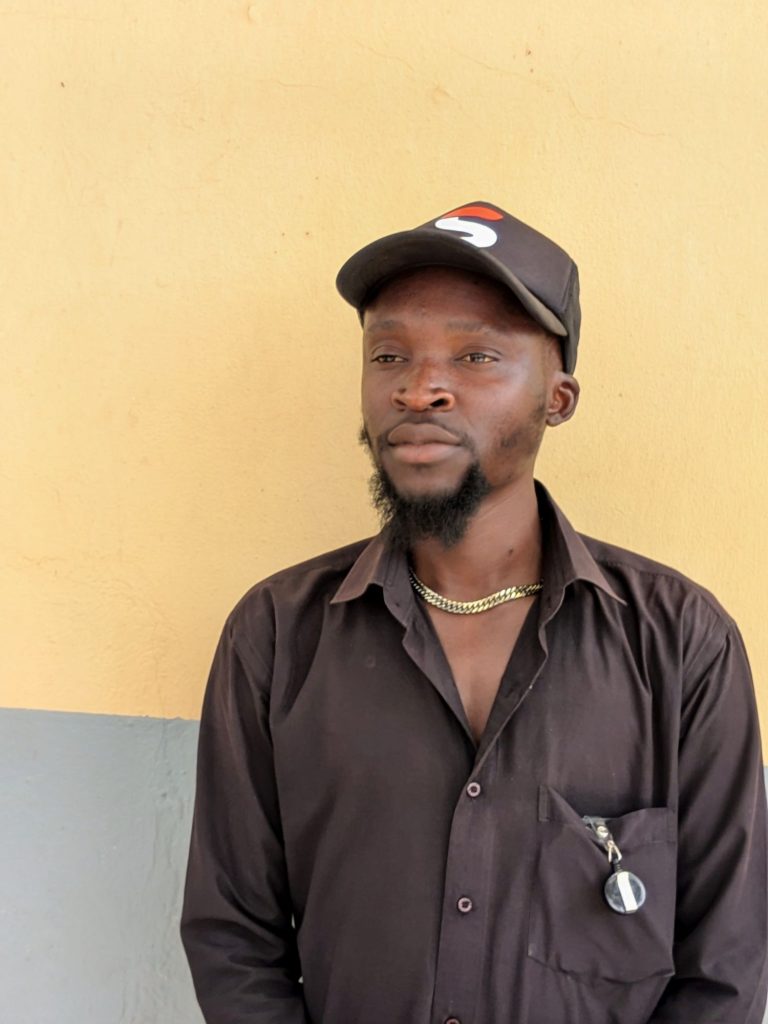
“Conflict happens in different forms,” John said. “When people see each other as brothers and sisters, dialogue becomes possible.”
AfriPeace began implementing the current project in October 2025 in response to prolonged insecurity in parts of Benue and Plateau states. Over the past decades, violent conflicts in Nigeria have led to loss of lives, destruction of property, displacement of families, and disruption of livelihoods. AfriPeace’s intervention adopts a bottom-up model that engages traditional rulers, women leaders, youth representatives, civil society actors, and local authorities.

Since the project’s launch, AfriPeace has conducted conflict mapping exercises through focus group discussions (FGDs) and key informant interviews (KIIs). These assessments identified root causes of disputes and mapped key actors involved in community tensions. The organization has also trained community mediators in negotiation, mediation techniques, non-violent communication, and conflict-sensitive engagement.
In both Plateau and Benue states, community-level ADR platforms have been established to serve as regular meeting points for dialogue, early warning reporting, and coordinated responses. These platforms aim to provide accessible and structured alternatives to violent dispute settlement.

Kwaja explained that participatory theatre complements these structures by translating mediation principles into practical experience. During the session at the University of Jos, facilitators guided participants through active listening exercises, de-escalation strategies, and collaborative problem-solving scenarios. Discussions followed each enactment, allowing observers to reflect on the decisions made and propose alternative approaches.
The format encouraged interaction rather than passive observation. Participants were invited to replace actors mid-performance to test different conflict-resolution strategies. Facilitators documented recurring themes, including mistrust, communication breakdowns, and misunderstandings over resource use.
AfriPeace reports that similar engagements are being replicated across targeted communities as part of intra- and inter-community peacebuilding initiatives. The organization states that strengthening local capacity remains central to reducing reliance on external interventions and fostering sustained dialogue mechanisms.
As participants dispersed from the Open Theatre, many exchanged contacts and discussed potential collaboration beyond the event. Organizers indicated that follow-up engagements and community-based mediation activities are scheduled in the coming months.
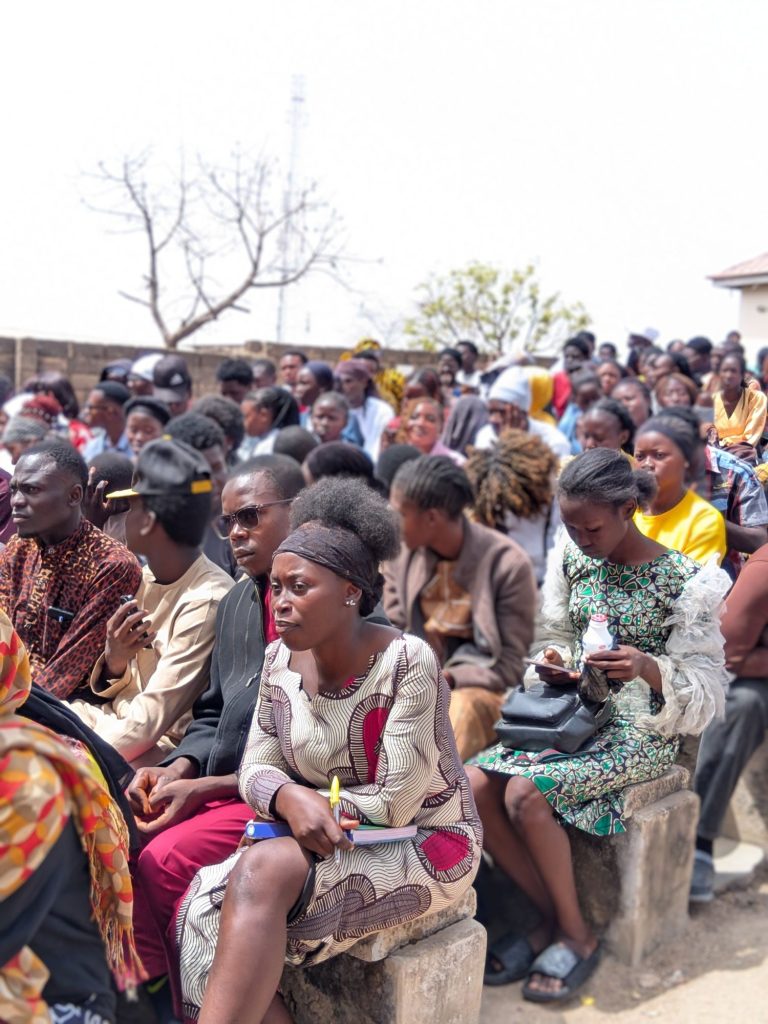
In the conflict-scarred communities of Plateau State, the absence of peace translates directly into the violation of fundamental human rights. AfriPeace’s intervention recognizes that the right to life—the most basic of all human entitlements—is systematically undermined by the cycles of violence, displacement, and communal strife. When farmers and herders clash, or when land disputes turn lethal, the immediate consequences are deaths and injuries, a direct infringement on the right to life and security of the person. Furthermore, the destruction of homes and farmlands violates the right to own property, while the displacement of entire communities disrupts access to education, healthcare, and livelihoods, thereby compromising economic and social rights. By fostering dialogue and equipping citizens with mediation skills, AfriPeace is not just building peace; it is actively working to prevent the human rights abuses that flourish in an environment of instability.
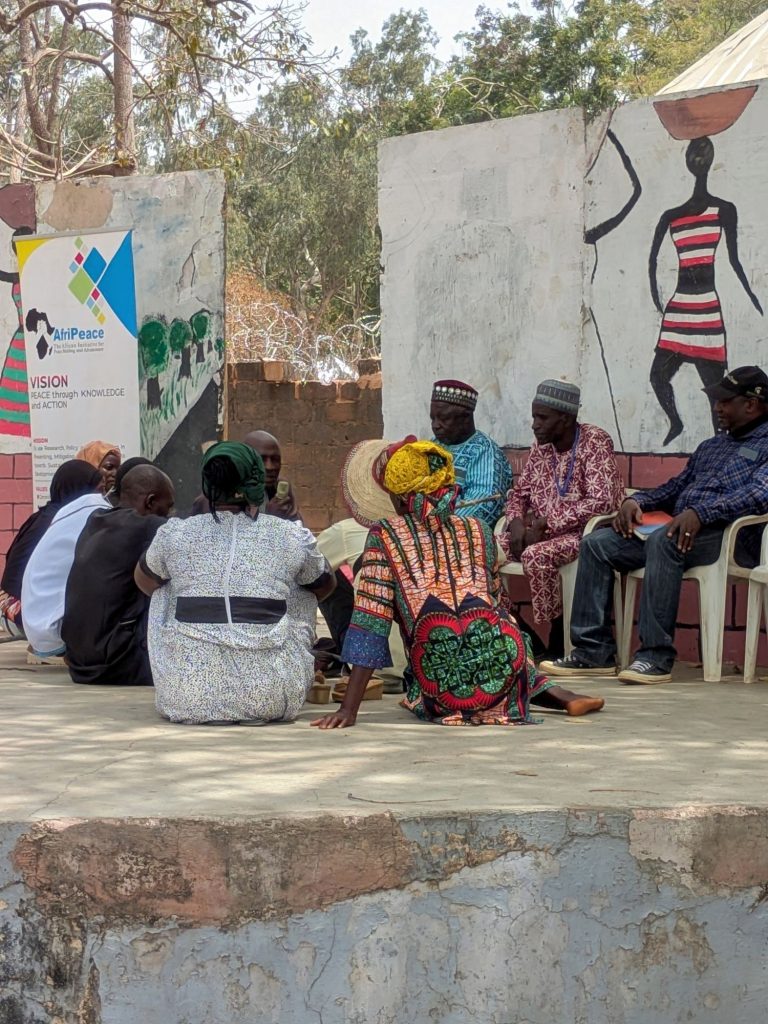
Crucially, AfriPeace operates on the understanding that relative peace is not merely a byproduct of development, but the very backbone upon which all other rights depend. Without a stable and secure environment, the rule of law weakens, justice becomes inaccessible, and the protections enshrined in national and international law become hollow promises. The community-level Alternative Dispute Resolution (ADR) platforms and early warning systems established by the project are therefore human rights defense mechanisms in their own right. They provide a non-violent avenue for grievances to be heard and addressed, preventing minor disputes from escalating into major conflagrations that claim lives and destroy communities. As Mrs.Rahab Kwaja emphasized, the goal is to create a sustainable foundation where the right to live in dignity, free from fear, is not an aspiration but a daily reality for the people of Plateau and Benue states.
Kwaja said AfriPeace will continue working with community assemblies, youth groups, women leaders, and traditional institutions to expand mediation networks and strengthen local dispute resolution processes.
“We believe communities are capable of resolving their differences when given the right tools and space for dialogue,” she said.
Through structured training, community platforms, and interactive engagements such as participatory theatre, AfriPeace’s project seeks to support peaceful coexistence, reinforce trust among stakeholders, and enhance locally led security and justice mechanisms across Plateau and Benue states.
Palang Paul is a Human Rights Defender and Campaigner, reporting Conflict & Security for The Nigeria Times.


Post Comment