By Palang Paul
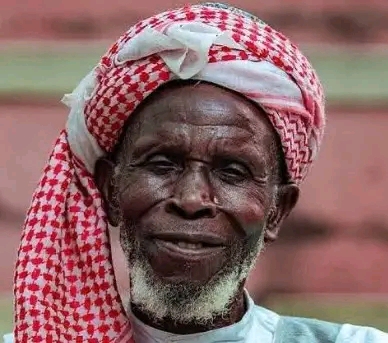
By any measure, Imam Abubakar Abdullahi was an unlikely hero. He had no position in government, no weapons, and no promise of protection. Yet in one of Plateau State’s darkest moments, he chose courage over fear—and saved hundreds of lives.
In 2018, violence swept through the Nghar community in Barkin Ladi Local Government Area of Plateau State,North Central Nigeria.
As panic spread and families fled, government security forces were absent. In that vacuum, Imam Abdullahi acted.
He opened the doors of his mosque and his home to Christians who were running for their lives. By the end of that day, 262 people—men, women, and children—were hiding under his protection. Some accounts put the number close to 300. What matters most is that every one of them survived because one man refused to look away.
“He didn’t see Christians or Muslims,” said the President of the Christian Association of Nigeria (CAN), Archbishop Daniel Okoh, in a statement mourning the Imam. “He just saw people who needed protecting.”
That choice, CAN said, exposed a painful truth: one person’s courage succeeded where whole systems had failed. While the state could not guarantee safety, an ordinary citizen guided by conscience did.
Imam Abdullahi was not formally trained in Western education, but he was deeply learned in Arabic and Islamic scholarship. Those who knew him describe a man shaped by humility, wisdom, and respect for human dignity. His faith was not loud or performative. It was lived—through compassion, restraint, and a strong sense of moral duty.
During the attacks, the Imam did more than offer shelter. He stood between the frightened families and danger. He calmed fears, ensured food and basic care, and remained firm until security forces eventually arrived. In a region long scarred by ethno-religious violence, his leadership stood out as rare and bright.
For many Nigerians, his actions challenged a dangerous narrative—that religion must divide. Instead, Imam Abdullahi showed that faith, at its best, protects life. His mosque became a place of safety for “ahl al-kitab”—People of the Book—and for all humanity
CAN recognized this moral courage in 2021, when it honored him with an award. The gesture mattered, but it could never fully capture the weight of what he did. He risked his own life to save others, not for praise, but because he believed it was right.
Now, as Nigeria mourns his passing, CAN is urging citizens to follow his example. Peace, the association says, does not come only from policies and promises. It grows when ordinary people choose to help one another, even when it is hard.
Imam Abdullahi’s death is a deep loss—not just to Plateau State, and not only to Nigeria, but to humanity. In a world often torn by fear and hate, he showed another path. He chose mercy over anger, conscience over convenience, and courage over silence.
His legacy asks difficult questions of believers everywhere: What does our faith require of us when lives are at risk? Do we protect our neighbors, even when they are different from us? Do we act when institutions fail?
Imam Abubakar Abdullahi answered those questions with his life.
As tributes pour in, many describe him as an icon of interfaith harmony, peaceful coexistence, and religious tolerance. For Muslims and Christians alike, he remains a symbol of what is possible when humanity comes first.
May angels receive him into eternity. May every obstacle be removed from his path to Al-Jannatul Firdaus. And may his light continue to guide a nation still searching for peace.
Adieu, noble servant of Allah—an ambassador of peace, tolerance, and our shared humanity.


Post Comment