
By Palang Paul
When the sacks of rice and beans were carried into the gathering, a silence fell over the women—a silence not of emptiness, but of overwhelming gratitude.

“We came with nothing but our prayers,” said Mrs. Lami, one of the beneficiaries, her hands resting on the food items she had just received. “This food is a sign that God has not forgotten us in our suffering.”
In the Miango crisis area of Bassa Local Government, Plateau State Nigeria, survival is a daily struggle marked by loss and hunger. Persistent attacks by Fulani Militias have destroyed farmlands, burned homes, and left a trail of widows and orphans. For these vulnerable Christian women, many of whom the government has “turned a blind eye to,” the promise of a next meal is often a desperate prayer.

In a region scarred by violence, a simple bag of rice becomes a powerful symbol of hope and remembrance.
This Christmas, a gesture of compassion cut through the despair. The Icho Demi International, in collaboration with the Richmond Church of Christ, distributed vital food supplies to over 300 of the widowed and vulnerable Christian women in the area. The donation, comprising rice and beans, was more than festive charity; it was a lifeline for those left helplessly behind by conflict.
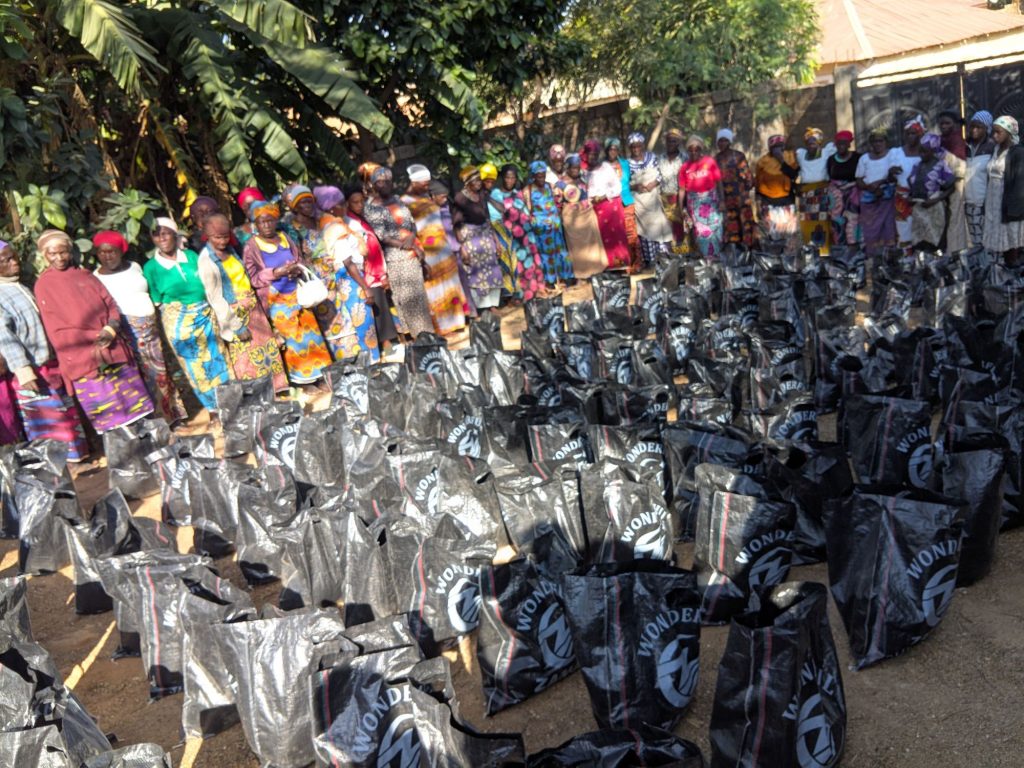
For Pastor Yohanna Sunday of the Miango Gospel Church, the act was theology made tangible. “This is a practical example of the love of Christ to himself,” he said, expressing profound joy for the gesture. He prayed for continued blessings on the donors, highlighting the collaboration as a beacon of unity in a fractured landscape.
Filling the Void of Neglect
Across Nigeria’s Middle Belt, communities like those in Miango face a harsh convergence of terrorism, displacement, and systemic neglect. When Fulani militants attack, destroy crops, and kill breadwinners, women are often left to shoulder the burden alone, their plight invisible in broad policy announcements.
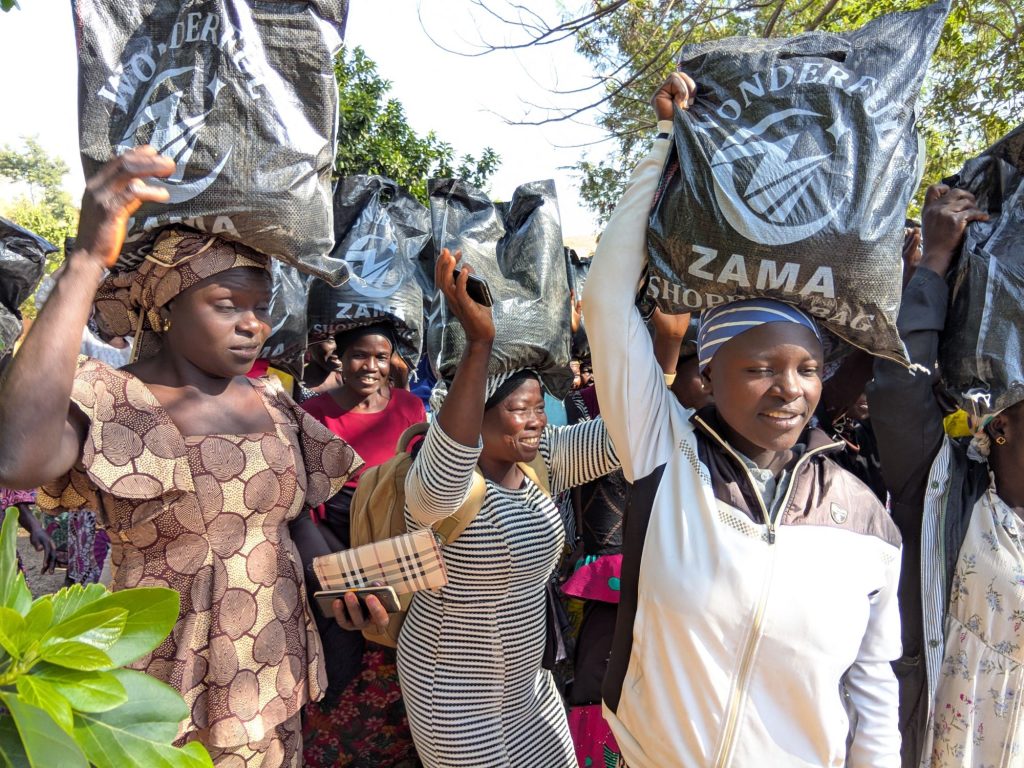
It is within this void of support that the mission of Icho Demi International, championed by the retired missionary Baba Demi Rabo and his family, finds its urgent purpose. Moving beyond sermons, their work is about practical sustenance.
“This thing we are doing is because we emulate it from our Parents father,” explained Esther, daughter of Baba Rabo. “When he was still a missionary, he usually farmed his food and fed the needy. Our mum also used to cook for the women in need.”

This legacy of hands-on service now drives the organization to seek out those whom violence has made most vulnerable.
Sustenance for Body and Spirit
The distribution event was imbued with a spirit of resilience. Before receiving their packages, the women gathered to sing praises, thanking God for preserving their lives against all odds. A brief sermon encouraged them to “stand firm in our Lord Jesus Christ,” fortifying their faith alongside filling their stomachs.

For Mrs. Lami and many others, the surprise gift of staple foods meant stability for the coming weeks. “I thank Icho Demi International for helping us with food,” she said. “I pray that God continues to open more doors for them.”
Keziah Demi Inchiko, a volunteer with the organization, framed the intervention as a moral imperative. “These women that come and collect the items are widows and less privileged,” she stated. “They have been attacked, their husbands killed by Fulani militia, leaving them helplessly.”
Beyond a Seasonal Gift: A Call for Conscience
The coordinator of the ECWA DCC Church in Miango, Pastor Ali Yari, hailed the distribution as “a true act of Christianity.” He noted the particular significance of the aid reaching a community “that has been under attack,” offering thanks to God for the donors who remembered the people amid their difficulties.

Yet, the event underscores a starker reality: that such essential support should not depend solely on the generosity of private charities and faith groups. The consistent description of the women as those “the Nigerian Government turn a blind eyes on them” serves as a poignant indictment of failed systemic protection.
Carrying a Legacy Forward
The model demonstrated here is rooted in personal accountability, cross-denominational collaboration, and a deep-seated commitment to emulating practical love. It proves that even without vast resources, targeted, compassionate action can restore dignity and immediate hope.

As the women left with their gifts, their happiness was a quiet testament to the power of presence. They carried home more than rice and beans; they carried the reaffirmation that their lives mattered, that their community had not been entirely abandoned.
For the daughters of Baba Demi Rabo and the volunteers of Icho Demi International, this is the enduring mission: to be the hands that feed, following a legacy where faith is harvested from farmland and served as food for the hungry.
In a state where violence strives to erase hope, such gestures write a different story—one where, even in the deepest crisis, compassion finds a way to commemorate life, sustenance, and the birth of hope.



Post Comment