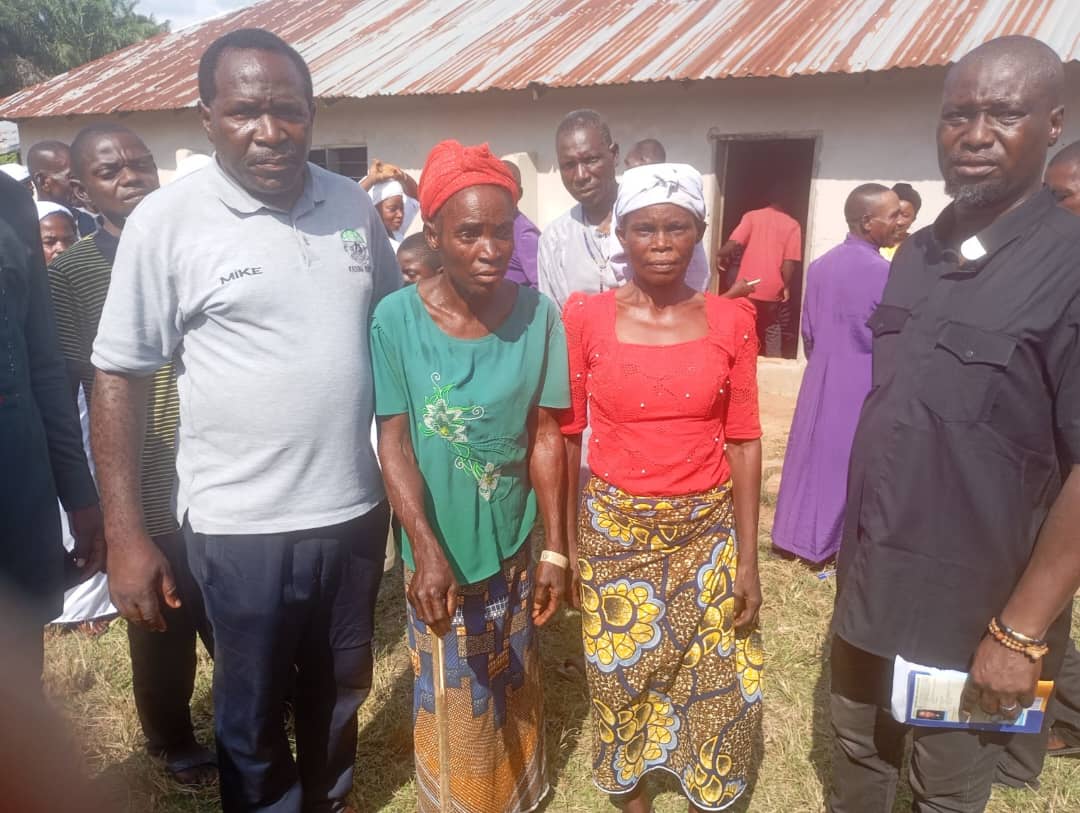
By Mike Odeh James
As a conflict reporter for over five years, I have witnessed first-hand the devastating human cost of Nigeria’s ongoing insecurity — the killings, mutilations, mass displacements, and the uprooting of entire indigenous communities from their ancestral lands.

I have seen 10-year-old girls raped so brutally that some could no longer walk. I have met an 18-year-old girl whose hands were slashed by her captors. I have stood beside a father as he buried his son, who had been kidnapped and later killed. With tears streaming down his face, the man said quietly, “My son would have been 17 years old today.” We reporters who covered that story also wept at the scene.

Another heartbreaking encounter was with a young mother who told me she was kidnapped alongside her four children — three girls and one boy. When she was finally released, she said, “I came home with only three children. They shot my boy.”
I have also seen victims of kidnapping so traumatized and weak that they could no longer walk, only crawl. One boy told me that he and his nine-year-old sister were fed only once in two weeks.
And I will never forget a man who wept uncontrollably as he told me that after paying ₦20 million ransom for his eight-year-old daughter, the kidnappers put her on the phone. The girl said, “Daddy, I know you will come and get me out.” A few days later, she was killed.
These are not isolated incidents — they are the daily realities of Nigerians trapped in a war that has lasted far too long.
In many cases, victims of terrorism become refugees in their own country, surviving in the harshest and most inhumane conditions. Today, Nigeria has an estimated 10 million internally displaced persons (IDPs) — yet the Federal Government still refuses to acknowledge the full scale of this tragedy.

Across the North-East, North-West, and parts of the Middle Belt, Boko Haram, Fulani Ethnic Militia (FEM) — and let it be clear, not all Fulanis are terrorists — Ansaru, ISWAP, and JNIM have taken control of vast territories. These violent groups now occupy the lands of those they chased away.
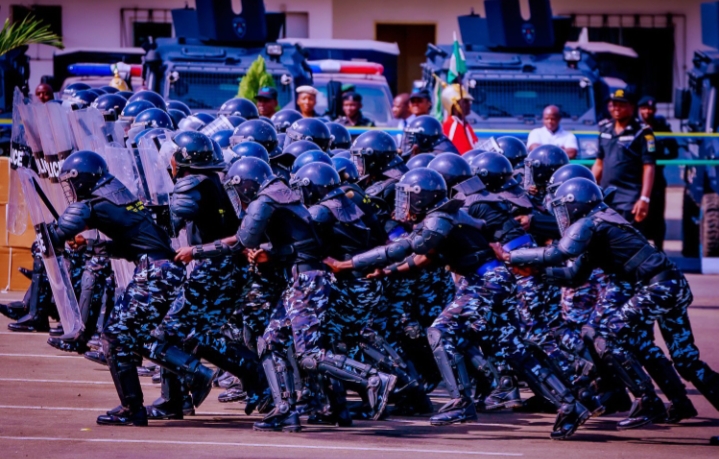
For over fifteen years, the Nigerian military has struggled — and often failed — to contain this menace. Many survivors I have interviewed blame the military’s delayed or total lack of intervention when attacks occur. Yet, when indigenes attempt to defend themselves, the same military responds swiftly to arrest them.
This double standard has destroyed public confidence. Even more appalling is the government’s policy of pampering so-called “repentant terrorists” — granting them amnesty, building homes for them, and placing them on monthly stipends — while their victims remain homeless, hungry, and forgotten.
The killings and kidnappings continue. Entire communities are still being wiped out, while the government announces one failed peace initiative after another.
A glaring example is the Lakurawa group, once invited by state officials in Sokoto to help maintain peace. Today, that same group has become a menace to the very people they were meant to protect.
We have also seen politicians invite mercenaries to advance their personal interests — a dangerous and shortsighted act. Ironically, during President Goodluck Jonathan’s administration, when Chadian troops and Southern African mercenaries were engaged, Boko Haram suffered one of its most significant defeats. For a brief moment, Nigerians believed peace was possible.
Now, fifteen years later, Nigeria is still bleeding. The war against terror has consumed trillions of naira, thousands of lives, and countless futures. Yet, peace remains out of reach.
Today, the United States has expressed readiness to help Nigeria combat terrorism. Shockingly, some Nigerians have opposed this move. To those who reject such assistance, one must ask: What is your true motive?
Because for those of us who have seen burnt villages, interviewed grieving parents, and held trembling children who survived captivity — this war must end.
If our government cannot defeat this evil, then it must welcome cooperation with the United States and other willing allies. This is not about national pride; it is about national survival.
As someone who has witnessed too much death and despair, I say this with conviction: I do not wish my children — or any Nigerian child — to grow up under the shadow of fear, abduction, and violence.
If we cannot unite to defeat terrorism, then perhaps it is time for Nigerians to honestly and peacefully discuss our collective future — even if that means rethinking how we coexist as a nation.
But for now, the message is clear and urgent:
Let America help Nigeria fight this evil. Let us confront our common enemy — not each other.


Post Comment