By Palang Paul
At least 23 people have been confirmed dead and 108 others injured following a series of coordinated bomb explosions that struck multiple locations in Maiduguri Borno State North-Eastern Nigeria on Monday evening.
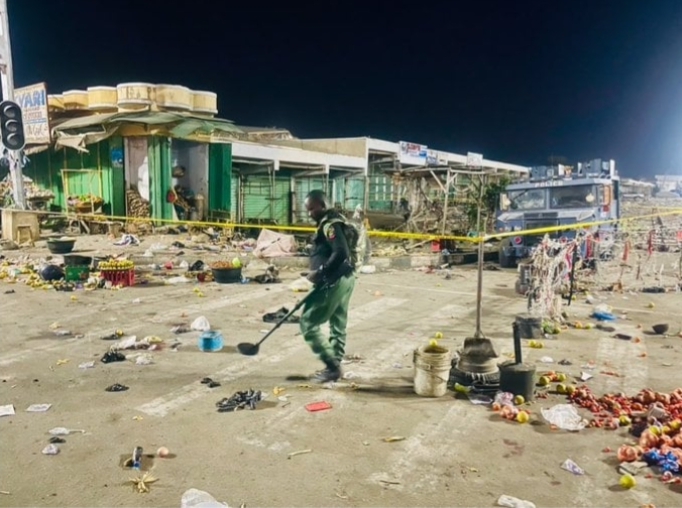
The attacks, which eyewitnesses describe as chaotic and horrifying, targeted the bustling Post Office Flyover, the crowded Maiduguri Monday Market, and the entrance of the University of Maiduguri Teaching Hospital — places where civilians seeking medical care, commerce, and transit were left vulnerable to the evening’s violence.
All these are happening while Nigeria President Bola Ahmed Tinubu is in the United Kingdom UK for State Visit.
Confirming the casualty figures on Tuesday 17th of March 2026, the spokesperson for the Borno State Police Command, Nahum Daso, said preliminary investigations point to suicide bombers armed with Improvised Explosive Devices (IEDs).
“Preliminary findings show that the incidents were the result of suspected suicide bombings. Sadly, 23 persons lost their lives, while 108 others were injured,” Daso stated.
Scene of Devastation
In the aftermath of the blasts, emergency responders described scenes of carnage. Victims — including women, children, and traders closing their stalls for the day — were seen scattered across the attack sites, their bodies retrieved amidst wails from survivors and bystanders.
The Monday Market, a historic commercial hub that has previously endured terrorist violence, was again turned into a theater of grief. Near the teaching hospital, where families had gathered for evening visits, the explosion sent panicked relatives scrambling for cover.
Security forces immediately cordoned off the affected areas, while the Police Explosive Ordnance Disposal Unit conducted thorough sweeps to neutralize any remaining threats.
Security Response Intensified
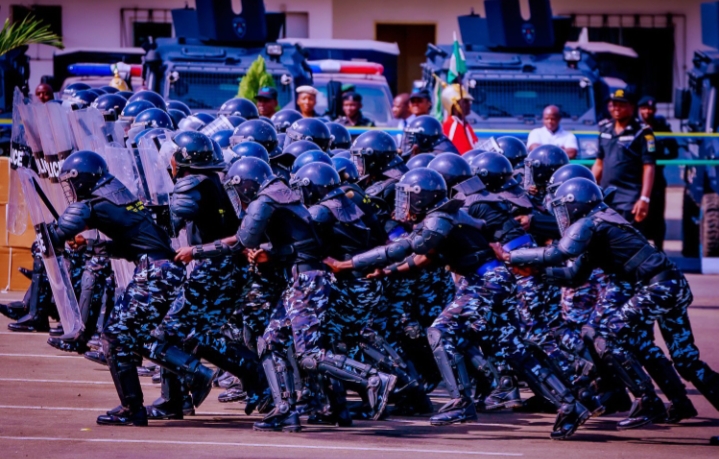
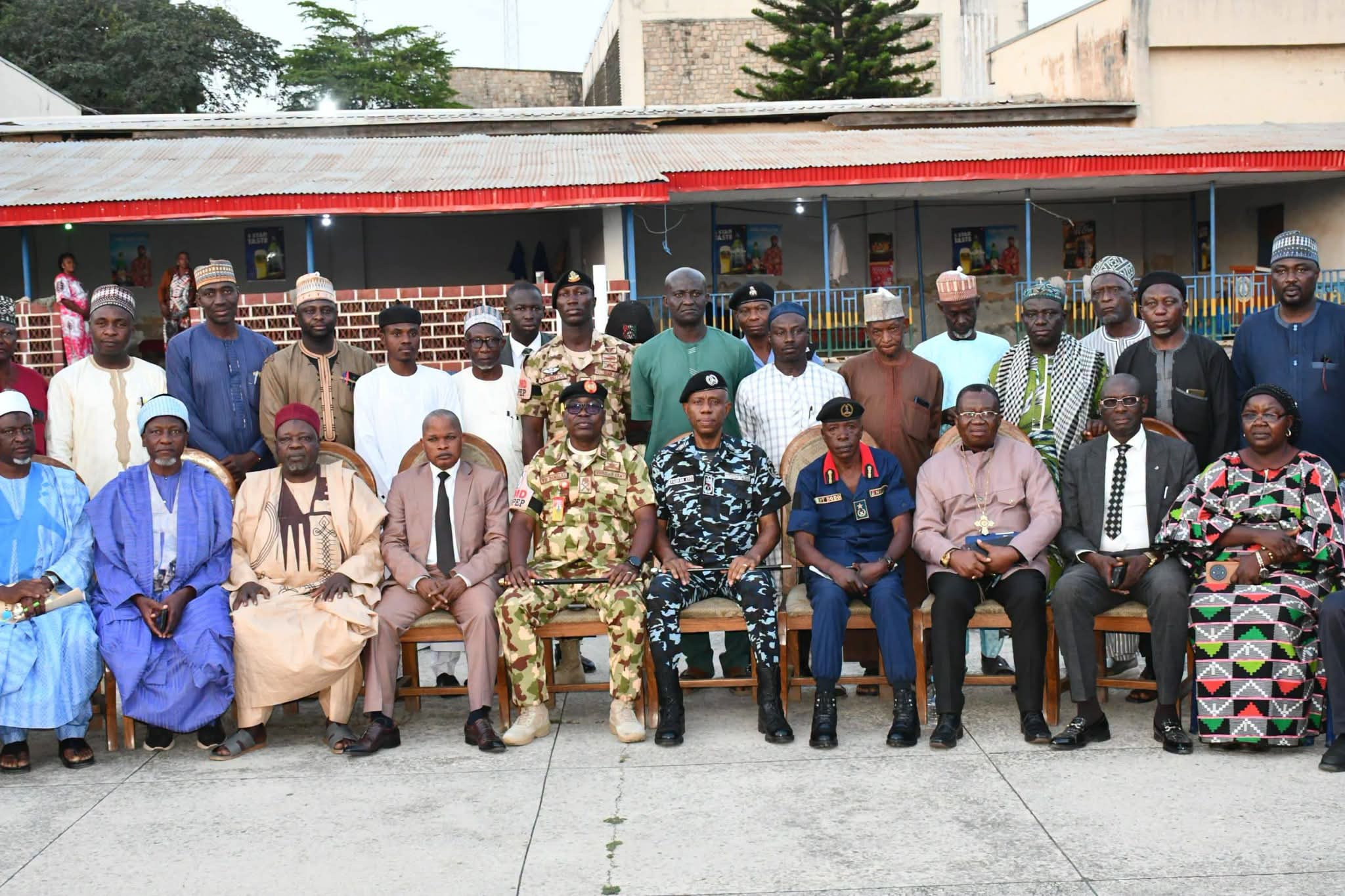
A joint security task force comprising police tactical units, military personnel, and other operatives was swiftly deployed. The Commissioner of Police in Borno State, Naziru Abdulmaji, personally visited the scenes to assess the situation and console victims.
During his assessment, Abdulmaji assured residents of the command’s unwavering commitment to safeguarding lives and property, even as the city remains on edge.
Emergency responders from the National Emergency Management Agency (NEMA) and the State Emergency Management Agency (SEMA) evacuated the wounded to hospitals, where they are currently receiving treatment.
Authorities say normalcy has been restored in the affected areas, though an increased security presence and heightened surveillance remain in place across Maiduguri to prevent further incidents.
“Investigations are ongoing to identify those responsible for the attacks and bring them to justice,” Daso added. Residents have been urged to remain calm, stay vigilant, and report any suspicious activities to security agencies.
A City Acquainted with Grief
For Maiduguri, the epicenter of Nigeria’s long-running battle against insurgency, Monday’s attack is a painful reminder that the specter of violence has not been fully extinguished. Despite military gains in recent years and relative calm in parts of the city, terrorists have repeatedly demonstrated the ability to strike soft targets with devastating effect.
The attack on the University of Maiduguri Teaching Hospital a sanctuary for the sick and wounded has drawn particular outrage. Medical staff reported chaotic scenes as they worked to save lives while grieving their own.
What’s Next?
As investigations continue, questions are mounting over security lapses and the possibility of reprisal attacks. Security analysts warn that coordinated strikes of this nature suggest sophisticated planning and local intelligence — raising concerns that more cells may remain active in the region.
For now, Maiduguri mourns. The morgues are full, the hospitals are overwhelmed, and a city that has known too much sorrow must once again bury its dead.
Palang Paul reports on Conflict and Security for The Nigeria Times.


Post Comment