
By Faith Chondol, The Nigeria Times
The kauru Speaker of the Legislative Arm and Councillor representing Kamaru Ward, Rt. Hon. Hajara Stephen Musa, has commended the Executive Governor of Kaduna State, Senator Uba Sani, for his intervention in settling the medical bills of victims of the recent Angwan Rimi attack. Her remarks come as part of a wider call for more security and sustainable support for the Rigwe-speaking people of Kamaru Ward in Kauru Local Government Area.
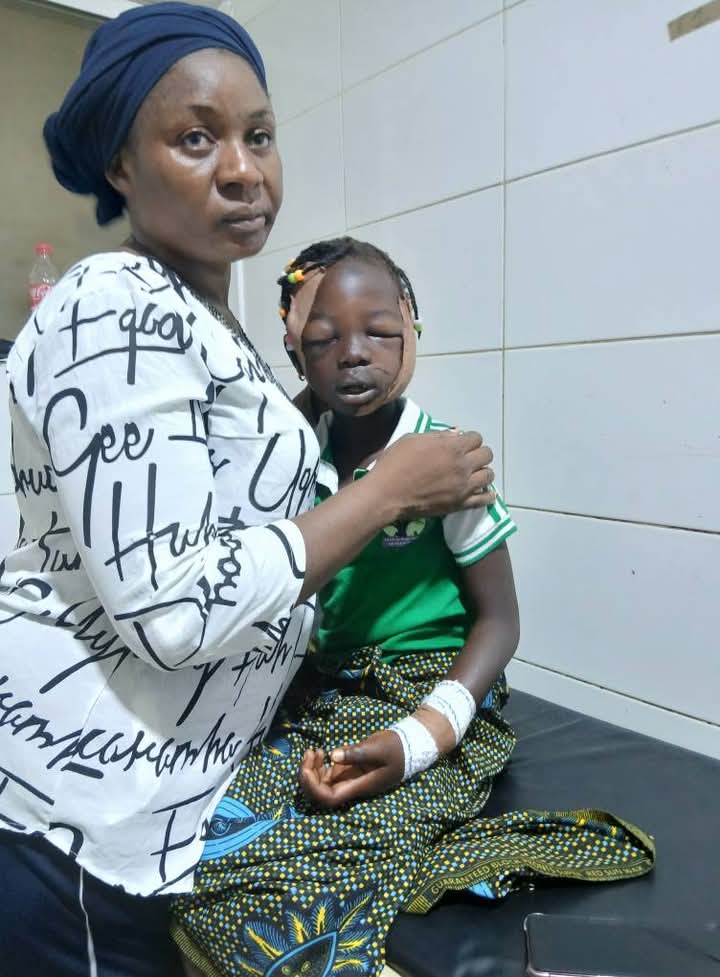
Hon. Hajara described the governor’s swift response as a timely gesture that relieved many families already weighed down by hardship. She said the people of Kamaru Ward have lived under constant fear since the early 2000s, with waves of violence carried out by suspected armed herders who have repeatedly invaded villages, burning homes, destroying farmlands, and leaving behind widows, orphans, and displaced families.

She explained that Kamaru Ward, a largely agrarian community, depends on farming for survival. Over the years, farmland destruction has left many households without food or income. Women, men, and children have struggled to recover, with many still living with physical injuries and psychological scars. According to her, the recent intervention by Governor Uba Sani has provided relief that had been absent for years, as families no longer bear the entire burden of medical bills alone.
Hon. Hajara extended appreciation to the Kaduna State Commissioner of Health for promptly mobilizing medical teams to attend to the injured, ensuring that victims—particularly women and children—received immediate care. She also acknowledged the Deputy Governor, describing her as a “motherly figure” whose commitment to ensuring that aid reached the community demonstrated compassion in governance.

Beyond government interventions, the councillor also recognized the role of the media in amplifying the plight of her people. She praised The Nigeria Times, TruthNigeria, and Sahara News for reporting the Angwan Rimi attack and other assaults on rural communities in Kauru LGA. She emphasized that such coverage gives voice to those who would otherwise remain unheard. “We thank the journalists who continue to document our pain and struggles. Without them, the suffering of Kamaru Ward would be hidden,” she said.
Hon. Hajara further appreciated the contributions of humanitarian organizations that have stood with the victims. She mentioned Equipping the Needing and Amnesty International Nigeria as examples of groups that have consistently spoken out against the violence and provided different forms of assistance. She noted that many individuals, community leaders, and local volunteers also stepped forward to support victims, even if their names cannot all be mentioned publicly.
The councillor singled out health professionals who treated the wounded during and after the attack, with particular recognition of doctors and nurses who worked tirelessly to stabilize the children brought to hospitals. “Our children were given special attention and care, and we remain grateful to the doctors who ensured they did not suffer more than they already had,” she said.
Speaking on the broader challenges facing the ward, Hon. Hajara highlighted how the absence of basic infrastructure continues to worsen the suffering of residents. She mentioned that many villages within the ward lack proper roads. The road is about 25 km to the main road which constitute of three ward, making it difficult for victims to access hospitals quickly during attacks. The shortage of drugs in local clinics, coupled with unpaid bills, has left many vulnerable. She explained that without sustained government presence and support, families in Kamaru will continue to face recurring cycles of hunger, trauma, and insecurity.
In her appeal to both federal and state authorities, Hon. Hajara called for permanent security measures. She urged the construction of military barracks or security camps within kamaru ward and the deployment of additional personnel to protect farming communities. According to her, temporary relief is not enough; what the people need is lasting peace to rebuild their lives. She noted that children growing up in Kamaru Ward deserve a chance to learn, play, and work without fear of violence.
She also reflected on how the resilience of the Rigwe-speaking people has kept the community together despite years of bloodshed. Families, though grieving, continue to plant crops, rebuild houses, and look after one another. Hon. Hajara expressed pride in this spirit of survival, saying it shows the determination of Kamaru Ward not to be erased by violence.
The councillor concluded by once again thanking Governor Uba Sani, his deputy, and the Commissioner of Health for listening to the cries of the community. She urged that interventions should not stop at emergency relief but extend to rebuilding livelihoods and ensuring lasting security. “We plead with the government and stakeholders to continue to give peace a chance, for the betterment of our children and the future of Kamaru Ward,” she stated.
The Angwan Rimi attack is one among several violent incidents recorded in rural communities of Kaduna State this year. Local leaders continue to call for more proactive security measures to address recurring violence in the area. For the people of Kamaru Ward, the hope is that renewed government interest and wider public attention will finally bring peace to their community.


Post Comment