Christian Aid has called for stronger local leadership, financing and representation in Nigeria’s humanitarian system as international coordination transitions to government-led structures.
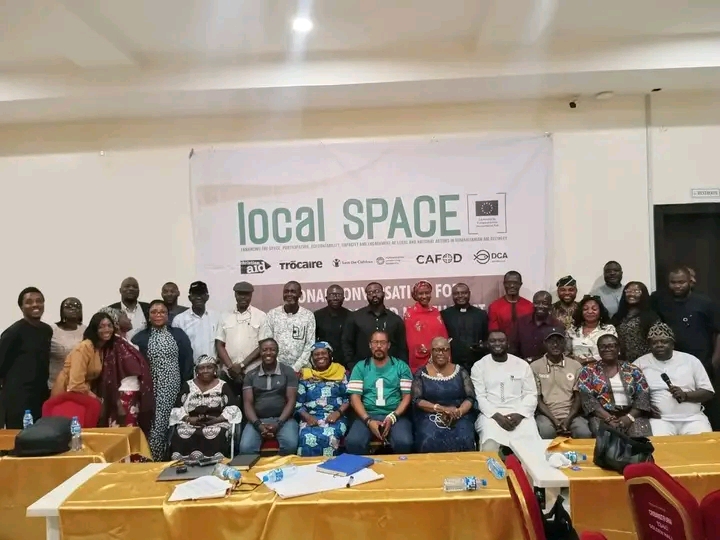
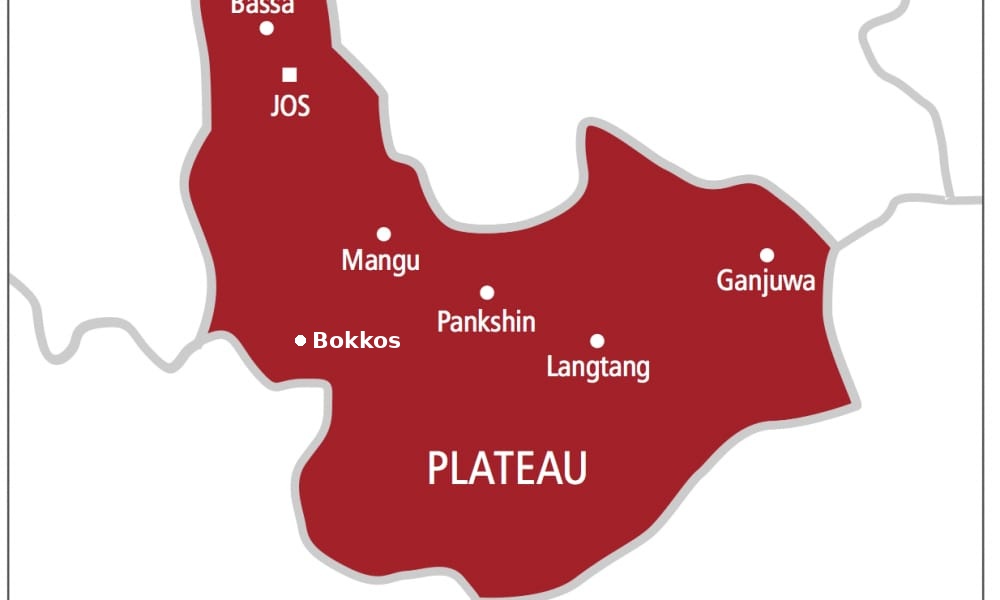
The call was made on Tuesday, September 8, 2026, during a one-day engagement at Crispan Hotel in Jos the Plateau State Capital, organised around Nigeria’s proposed humanitarian reset and the future of locally driven humanitarian action.
Speaking on behalf of Christian Aid, Joseph Damian said local actors and civil society organisations must have a meaningful role in shaping the framework being developed by the United Nations Office for the Coordination of Humanitarian Affairs (OCHA) and the Federal Ministry of Humanitarian Affairs.
Damian said a review commissioned by Christian Aid had exposed major gaps in the proposed framework, particularly the limited inclusion of local non-governmental organisations and the inadequate representation of the North Central and North West regions.
He urged participating humanitarian NGOs and CSOs to speak openly about the realities confronting the North Central region, stressing that their contributions would form part of a position paper to be presented during broader national engagements with the Federal Government.
Lead Facilitator, Albert Pam, described the engagement as timely, questioning what had changed since the 2019 humanitarian localisation framework and whether its objectives had been sufficiently achieved.
Pam warned that the transition from OCHA-led coordination to the Federal Ministry of Humanitarian Affairs under the One Humanitarian–One Poverty Reduction System (OHOPRS) could create coordination and ownership challenges if key actors were not adequately prepared.
He identified partnership, capacity, financing, representation, systemic barriers, private-sector participation and multi-year commitments as critical areas requiring urgent attention.
Participants also raised concerns over the emerging humanitarian situation in parts of Benue and Plateau States, stressing that the North Central region has unique humanitarian needs that must be reflected in national policy.
The discussions centred on six OHOPRS priority areas: equitable partnerships, capacity strengthening, direct financing, representation, improved coordination, and greater political, donor and private-sector involvement.
Participants called for full implementation of these priorities and urged stakeholders to move beyond traditional approaches to humanitarian response, insisting that locally driven solutions must remain central to Nigeria’s transition.
The engagement was sponsored by Christian Aid in partnership with EYN Projects under Local Space, an initiative supported by Christian Aid, Trócaire, Save the Children, the Humanitarian Leadership Academy, CAFOD and DCA Act Alliance.
Participants said the conversation must continue beyond the engagement to ensure that humanitarian policies translate into practical support and sustainable development for vulnerable communities across Nigeria.



Post Comment