By Palang Paul
For more than two decades, Nigeria’s Middle Belt has been plagued by persistent violence that has devastated communities, displaced millions, and deepened concerns over religious freedom. While the United States and other international bodies have designated Nigeria as a Country of Particular Concern (CPC) under international religious freedom frameworks, observers argue that diplomatic recognition alone is insufficient to halt the escalating crisis.
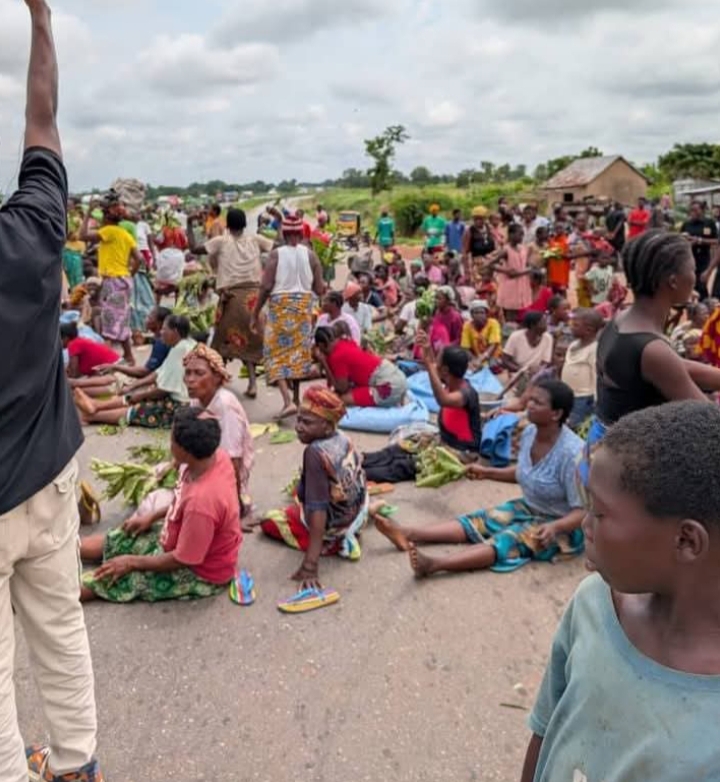
Across states such as Plateau, Benue, and Kaduna, indigenous farming communities have endured recurring attacks by armed Fulani Ethnic Militias and other groups, resulting in widespread loss of life, destruction of property, and the displacement of thousands of families. Although the violence is often framed as a conflict over land and resources, religious freedom advocates contend that the repeated targeting of churches, Christian communities, and religious leaders points to a broader pattern of faith-based persecution.
The humanitarian consequences have been severe. Thousands have been killed, while large numbers of survivors remain in internally displaced persons (IDP) camps, dependent on humanitarian assistance. For many affected communities, the crisis extends beyond economic hardship, striking at their ability to live and worship freely.
Analysts note that while the CPC designation is among the strongest diplomatic tools available for highlighting serious violations of religious freedom, its effectiveness depends largely on follow-through. Without meaningful policy actions, accountability mechanisms, and sustained pressure for reform, such designations risk becoming symbolic gestures rather than catalysts for change.
Critics have also raised concerns about the enforcement of blasphemy laws in some northern states, arguing that such laws can be used to restrict freedom of belief and expression, particularly among religious minorities and non-believers.
The U.S. Commission on International Religious Freedom (USCIRF) has repeatedly called for stronger measures to protect vulnerable populations and hold perpetrators accountable. These recommendations include improving security responses, strengthening the justice system, and ensuring that attacks motivated by religious hatred are thoroughly investigated and prosecuted.
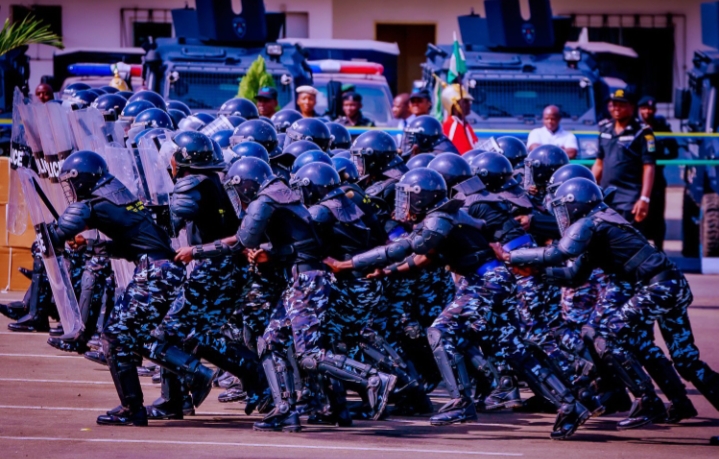
Domestically, experts argue that the Nigerian government must take decisive steps to dismantle criminal networks, eliminate safe havens for violent actors, enforce the rule of law without ethnic or religious bias, and rebuild communities devastated by years of conflict. They also advocate reforms aimed at strengthening protections for religious freedom and preventing discrimination.
While the CPC designation has succeeded in drawing global attention to the plight of affected communities, many believe that international concern must now be matched with concrete action. For residents of Nigeria’s Middle Belt, lasting peace will depend not on diplomatic labels alone, but on effective security action and measures, justice for victims, and a demonstrated commitment by authorities to protect the rights and freedoms guaranteed under the Constitution.
As attacks continue to threaten lives and livelihoods across the region, the call from religious freedom advocates remains clear: recognition of the crisis is important, but meaningful security action and intervention is urgently needed.


Post Comment