By Palang Paul
Calls by a group of Republican Senators in the United States to redesignate Nigeria as a “Country of Particular Concern” (CPC) under the International Religious Freedom Act have once again placed Africa’s most populous nation at the center of a growing international debate about security, human rights, and governance.

In a letter to Secretary of State Marco Rubio, Senators Ted Cruz, Josh Hawley, James Lankford, Pete Ricketts, and Ted Budd accused Nigeria of failing to curb “unchecked acts of violence and terrorism” targeting religious minorities, particularly Christians. They cited a string of massacres, kidnappings, and attacks allegedly carried out by Boko Haram, ISIS-West Africa, and allied armed groups.
The lawmakers’ intervention comes amid renewed global concern over religious persecution worldwide. In recent years, international watchdogs, including Open Doors and the U.S. Commission on International Religious Freedom, have consistently ranked Nigeria among the deadliest places for Christians. By some estimates, more believers have been killed in Nigeria than in the rest of the world combined.
For Washington, the designation carries weighty implications. A CPC label not only acknowledges systemic religious repression but also authorizes the U.S. President to impose diplomatic or economic penalties. Nigeria was briefly listed under the Trump administration in 2020, only to be removed by Antony Blinken in 2021—a decision many advocacy groups criticized as premature.
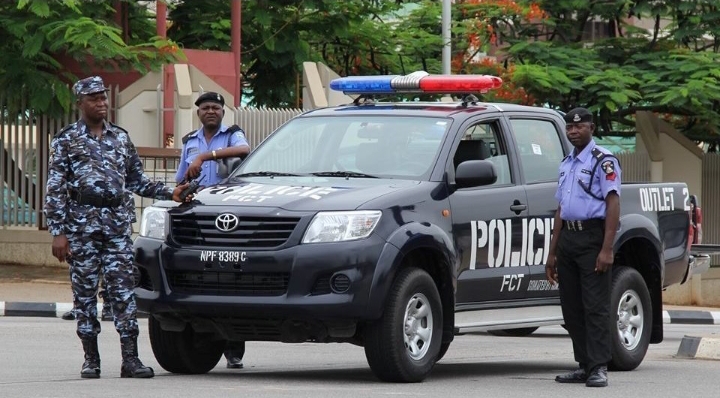
The debate underscores a larger struggle: whether Nigeria’s persistent insecurity is merely the result of banditry and terrorism, or whether it reflects deeper structural failures, including state weakness, governance gaps, and alleged selective protection of citizens. Abuja has repeatedly dismissed claims of religious genocide, calling them “false and divisive.” Yet the mounting toll of violence—thousands killed and displaced yearly—has left Nigeria increasingly vulnerable to external scrutiny.
Beyond religion, the controversy speaks to the country’s fragile place in global politics. Nigeria, a key U.S. security partner and Africa’s largest democracy, remains indispensable to regional stability. Yet, persistent violence threatens not only human lives but also investor confidence, food security, and faith in democratic governance.
The Senators’ push also resonates with wider U.S. politics, where religious freedom advocacy has become a rallying point for conservative lawmakers and evangelical groups. President Trump’s establishment of a Religious Liberty Commission in 2025 and his global call to end religious persecution in 2019 reflect a bipartisan but ideologically charged commitment to the issue.
For ordinary Nigerians, however, the debate abroad highlights an uncomfortable reality, international actors may shape narratives and apply pressure, but the immediate responsibility to protect lives still rests with the government in Abuja. The rising calls from Washington, advocacy groups, and religious communities only amplify a broader demand—that Nigeria must act more decisively to confront insecurity, restore trust, and safeguard pluralism before the crisis deepens further.



Post Comment