United States Commission Raises Alarm Over Rising Killings, Religious Attacks And Humanitarian Crisis Across Nigeria Middle Belt.
By Palang Paul
The United States Commission on International Religious Freedom (USCIRF) has raised fresh international concern over Nigeria’s worsening insecurity, warning that relentless attacks by armed militants and bandits have displaced atleast 1.3 million people across the country’s troubled Middle Belt.
In a damning May 2026 report, the commission described a region trapped in persistent violence, where farming communities are repeatedly attacked, religious centres targeted, and thousands of families forced into overcrowded displacement camps marked by fear, hunger, and uncertainty.
The report further estimated that about 30,000 militants currently operate across Nigeria in loosely connected armed groups, making them some of the deadliest non-state actors fueling instability in the country.
For communities across Plateau, Benue, Kaduna, Niger, and other parts of central Nigeria, the findings merely reinforce a painful reality that has become part of everyday life.
A Landscape Defined By Fear
Across the Middle Belt, many rural residents now associate nighttime with danger rather than rest. Survivors of attacks recount how gunmen often arrive on motorcycles carrying automatic weapons and machetes, storming villages under the cover of darkness.
According to the USCIRF report, the attacks are frequently designed to terrorise communities into abandoning their ancestral lands, creating what observers describe as a widening humanitarian catastrophe.
Entire settlements have reportedly been emptied after repeated assaults, leaving thousands stranded in internally displaced persons camps where poor sanitation, food shortages, and inadequate healthcare continue to worsen living conditions.
For many displaced families, returning home remains uncertain as insecurity persists across large parts of the region.
Religion, Violence And The Battle Over Narratives
One of the most contentious aspects of the crisis remains the question of motive.
The United States commission noted that many attacks appeared to target Christian communities, particularly during major religious celebrations such as Christmas, Easter, and Palm Sunday. In several incidents, assailants reportedly used religious slogans while carrying out attacks.
Yet the report also acknowledged that Muslim communities have suffered deadly raids, kidnappings, and killings, highlighting the complex nature of the conflict.
Analysts continue to debate whether the violence is primarily driven by religious extremism, competition over land and grazing routes, environmental pressures, organised criminality, or a dangerous combination of all four.
The report warned that the overlapping nature of these factors has deepened mistrust between ethnic and religious communities already struggling under years of instability.
Benue And Plateau At The Centre Of The Crisis
Among the most devastating incidents cited in the report were mass killings in Benue and Plateau States.
One attack in Benue reportedly left more than 200 people dead, including displaced persons sheltering in a Catholic mission. Another massacre in Yelwata allegedly claimed the lives of hundreds of residents, many of them women and children, while forcing thousands to flee their homes.
In Plateau State, recurring attacks in Barkin Ladi and Riyom have further intensified fears among rural communities.
Religious institutions have also become recurring targets. Churches and mosques alike have witnessed abductions, killings, and ransom demands, underscoring how kidnapping has evolved into a lucrative criminal enterprise across northern and central Nigeria.
Growing Doubts Over Security Responses
Beyond the killings themselves, the report highlighted mounting frustration over the response of security agencies.
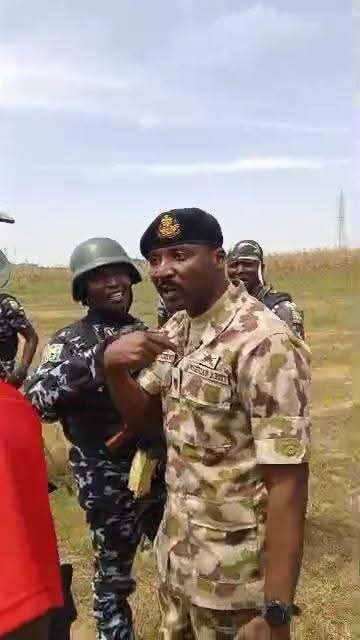
Affected communities have repeatedly accused authorities of arriving long after attacks have occurred, while some advocacy groups allege selective protection and inadequate intervention.
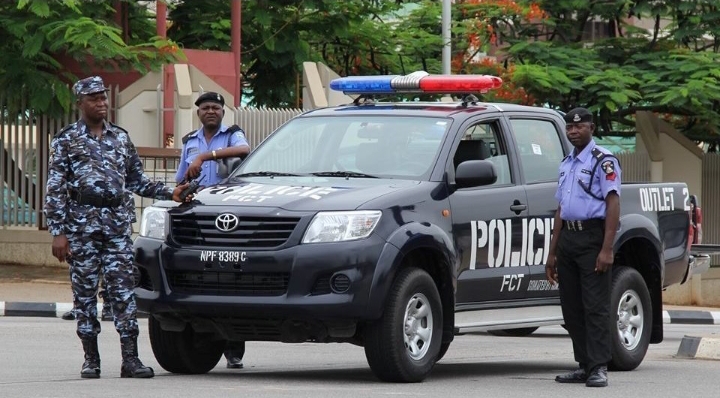
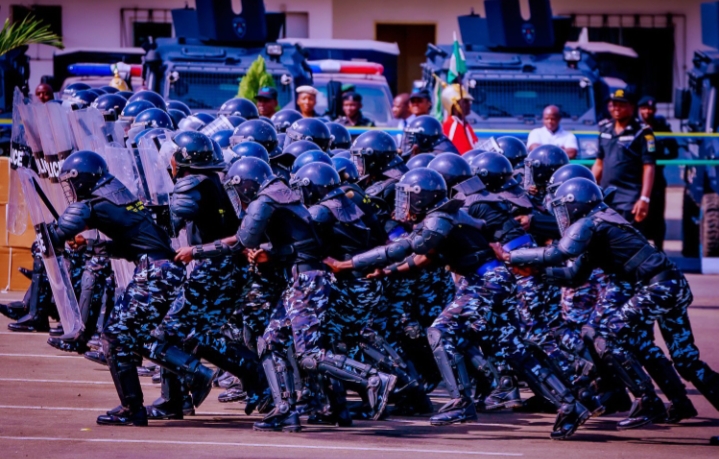
Although the Federal Government has launched military operations, classified violent armed groups as terrorists, and introduced new peace initiatives, the violence continues to spread across vulnerable communities.
The report acknowledged recent security gains, including the rescue of kidnapped victims and arrests of suspected militants in Kogi and Kwara States. However, it warned that such interventions have yet to significantly reduce the scale of insecurity.
More Than A Security Crisis
What is unfolding in Nigeria’s Middle Belt has become far more than a law enforcement challenge.
The violence is disrupting agriculture, worsening food insecurity, damaging intercommunal relations, and leaving millions psychologically traumatised. Schools have been abandoned, worship centres attacked, and countless children displaced from stable homes and education.
For many observers, the USCIRF findings represent not just a warning about insecurity, but a broader indictment of the fragile state of peace and governance across parts of Nigeria.
As displacement camps continue to grow and attacks persist, the report concludes that the Middle Belt remains locked in what it describes as a seemingly perpetual cycle of insecurity.
And for the millions living within that reality, peace remains less a lived experience than a distant promise.


Post Comment