
By Palang Paul
A delegation of United States lawmakers and diplomats arrived in Nigeria on Sunday for a high-level security fact-finding mission, as concerns grow in Washington over escalating violence and reported persecution of Christians across several regions of the country.
Rep. Riley Moore, one of the visiting lawmakers, disclosed their presence in Nigeria in a post on X (formerly Twitter), saying he came “in the name of the Lord and on behalf of the American people,” and noted that the team had held “very productive” engagements.
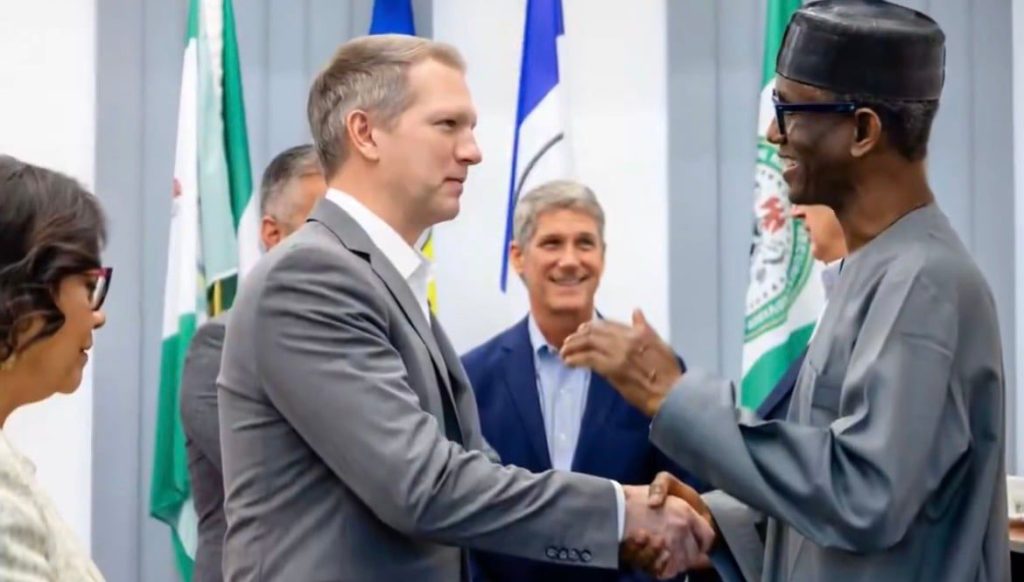
Nigeria’s National Security Adviser, Nuhu Ribadu, also confirmed the visit, stating that he hosted the congressional team in Abuja following earlier meetings in Washington, D.C., focused on shared security priorities.
Members of the delegation include Rep. Mario Díaz-Balart, Rep. Norma Torres, Rep. Scott Franklin, Rep. Juan Ciscomani, and Rep. Riley Moore. The U.S. Ambassador to Nigeria, Richard Mills, was also present at the meetings.
Ribadu said discussions centred on counter-terrorism cooperation, regional stability, and strengthening the strategic security partnership between both countries. He expressed optimism that the engagement would enhance trust and collaboration.
The visit comes as U.S. lawmakers intensify scrutiny of Nigeria’s deteriorating security climate, particularly a rise in attacks targeting Christian communities in the North and other regions.
Several American officials — including members of the House Appropriations Committee and the U.S. Commission on International Religious Freedom (USCIRF) — have in recent months accused the Nigerian government of failing to curb what they describe as large-scale, targeted violence by extremist groups and militias.
The House Appropriations Committee recently warned that Nigeria is “rapidly becoming one of the most dangerous places on Earth to follow Christ,” urging tougher diplomatic action and stricter conditions on military assistance to the country.

Human rights organizations such as Amnesty International, Intersociety, and Open Doors have similarly documented repeated mass killings, abductions, and attacks on villages, resulting in thousands of civilian deaths each year.
However, the Nigerian government has consistently rejected claims of genocide, insisting the violence stems from terrorism, banditry, and long-standing resource conflicts rather than religious persecution.
International attention intensified after the administration of former U.S. President Donald Trump again designated Nigeria as a “Country of Particular Concern” (CPC) for severe violations of religious freedom.
The bipartisan presence of both Republican and Democratic lawmakers in the visiting U.S. team highlights the growing consensus in Washington about the seriousness of the situation.
Rep. Riley Moore has been especially vocal, urging U.S. authorities to reconsider military aid and expand oversight of American-supported security operations in Nigeria.


Post Comment