By Faith Chondol
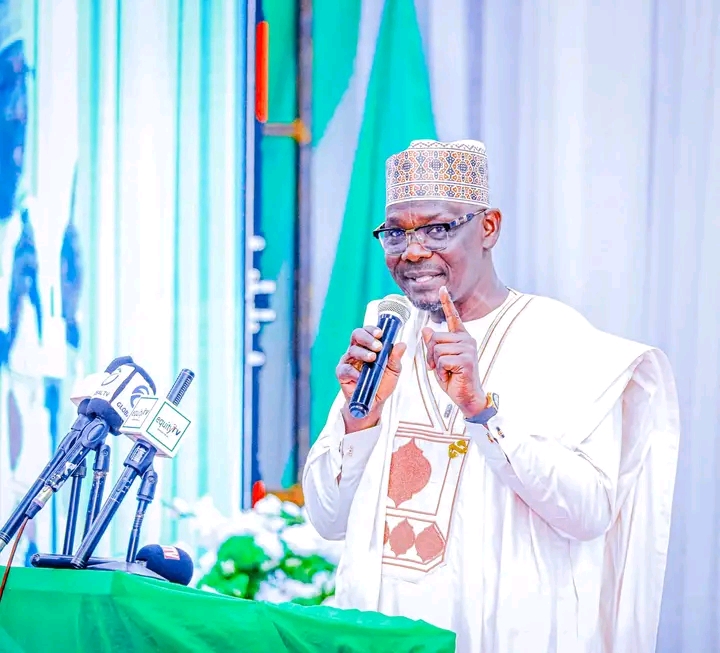
Nasarawa State Governor Abdullahi Sule has called on Nigeria’s National Assembly to permanently outlaw the Almajiri system, arguing that the decades-old practice has become a major driver of mass school exclusion, poverty, and insecurity across Northern Nigeria.
Speaking at the Summit on Enhancing Human Capital Development in Northern Nigeria in Abuja, Sule said urgent legislative action was needed to address what he described as one of the region’s most persistent social challenges.
Nigeria is grappling with a severe education crisis, with an estimated 18.3 million children out of school—the highest figure globally. Experts and government officials have repeatedly identified the Almajiri system, which traditionally involves children leaving their homes to receive Islamic education under clerics, as a significant contributor to the growing number of out-of-school children in the North.
According to recent estimates, Almajiri children account for a substantial proportion of Nigeria’s out-of-school population, with the majority concentrated across northern states.
Governor Sule warned that the consequences extend beyond education, arguing that many vulnerable children within the system are exposed to exploitation, criminal recruitment, and extremist influence.
“Many of the young people being recruited into banditry and other criminal activities emerged from this system,” Sule said, urging northern leaders to confront the issue collectively.
The governor stressed that lasting reforms would require the cooperation of political leaders, traditional rulers, religious authorities, and civil society groups throughout the region.
He recalled the 2020 repatriation of thousands of Almajiri children by several northern states, including Nasarawa and Kaduna, during the COVID-19 pandemic, noting that such measures alone were insufficient without sustainable alternatives.
As part of his proposal, Sule advocated replacing the Almajiri system with compulsory formal education combined with vocational and skills-acquisition programmes designed to equip young people for employment and self-reliance.
Nasarawa State currently has an estimated 430,000 out-of-school children, according to figures cited by the governor.
Sule urged participants at the summit to translate discussions into concrete legislative proposals and policy reforms, insisting that meaningful change would be impossible without decisive action.
He argued that comprehensive educational reform remains critical to reducing poverty, improving human capital development, and addressing the root causes of insecurity across Northern Nigeria.




Post Comment