By Palang Paul
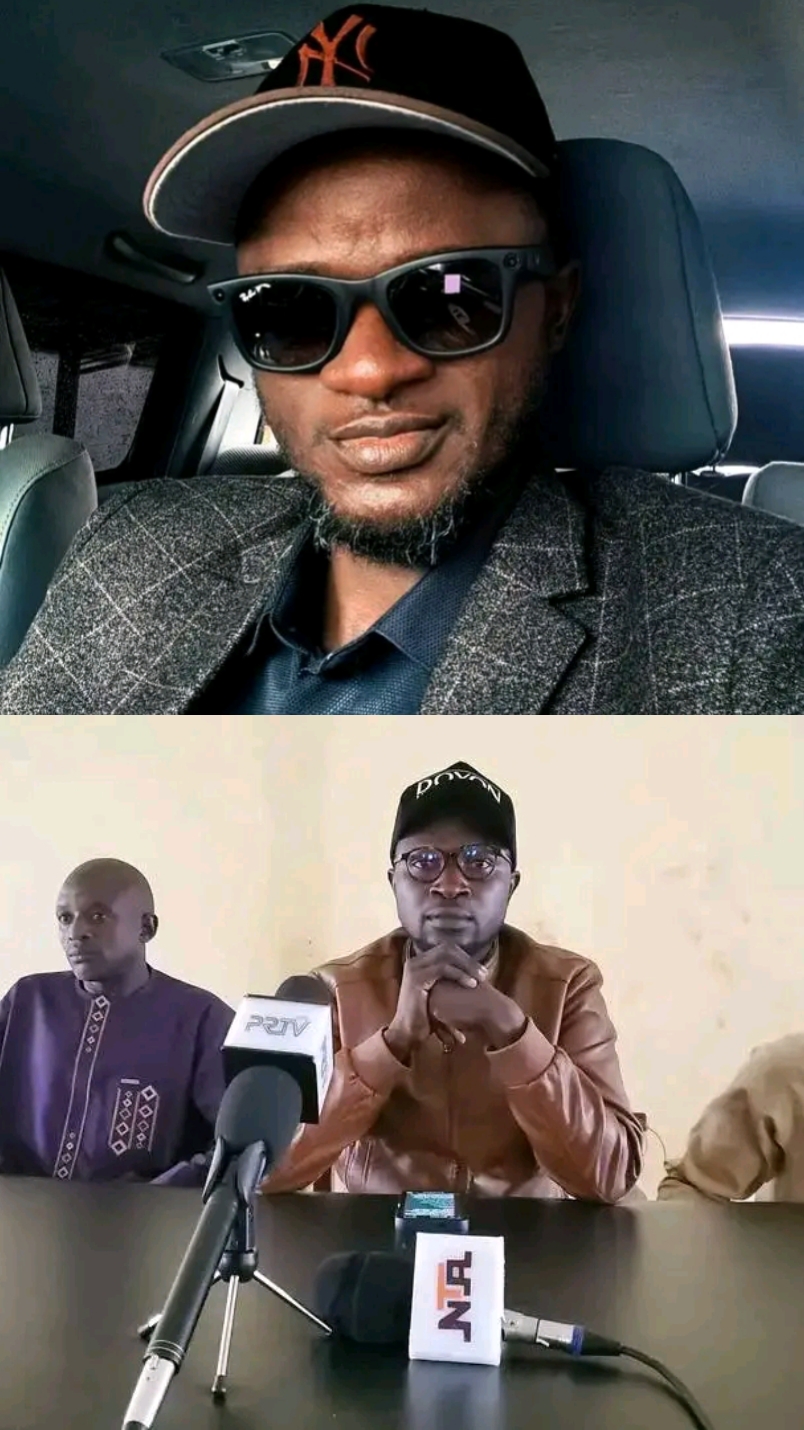
A public dispute has erupted between the Plateau Youth Council (PYC) in Barkin Ladi Local Government Area and social media influencer Usman Masara over a viral video from the mass burial of victims killed in a deadly attack on Ratatis Village, Dorowa Babuje, highlighting growing tensions over conflict reporting and public accountability in violence-affected communities.
The controversy centers on a video recorded during the February 22, 2026 mass burial of victims of the attack. The footage recently resurfaced online with a caption alleging that Plateau State Commissioner for Environment, Climate Change and Mineral Development, Hon. Peter Kanang Gwom, was booed and shouted down while addressing mourners on behalf of the government.
Addressing journalists in Barkin Ladi, Plateau Youth Council Chairman, Comrade Appolos Zang, condemned the publication, describing the accompanying caption as misleading, inflammatory and insensitive to families still grappling with the trauma of the attack.
According to the council, a review of the footage does not support the narrative advanced in the social media post. The PYC maintained that the commissioner attended the burial primarily as a mourner and as the most senior government official present at the event.
The youth body accused the influencer of reviving a painful tragedy months after it occurred and warned that such publications could undermine ongoing peace-building efforts and reopen emotional wounds among survivors and bereaved families.
The council subsequently demanded that the video and its accompanying caption be removed from all social media platforms within seven days and called for a public apology to the commissioner, the people of Barkin Ladi and the broader Berom community.
Masara, however, rejected the demands and responded with a strongly worded statement questioning the motives behind the council’s intervention.
The influencer insisted that his publication accurately reflected events at the burial and challenged the council to specify whether it disputed the authenticity of the footage, the identity of those featured in the recording, or his right to publish content he personally documented.
In his response, Masara accused some youth leaders of prioritizing political interests over the concerns of communities affected by insecurity. He defended his record of advocacy on Plateau’s security crisis, citing years of documenting attacks, supporting victims and drawing attention to violence in affected communities.
He claimed to have personally assisted survivors of attacks, facilitated support for orphaned children, contributed to burial arrangements and helped secure medical treatment for injured victims. According to him, these efforts were undertaken independently and without government sponsorship.
Masara further argued that attempts to pressure him into removing the publication amounted to an effort to silence voices drawing national and international attention to insecurity in Plateau State.
“I will not be intimidated,” the influencer said, maintaining that anyone who believes he violated the law should seek legal redress through the courts rather than pursue what he described as media intimidation.
The disagreement underscores broader debates surrounding the role of social media in documenting conflict, preserving public memory and holding authorities accountable. While the Plateau Youth Council argues that advocacy must remain factual, responsible and sensitive to victims, Masara maintains that documenting and publicizing events linked to insecurity is essential to ensuring that affected communities are not forgotten.
As both sides remain firmly entrenched in their positions, the dispute has reignited discussions about the responsibilities of digital influencers, the ethics of conflict reporting and the delicate balance between freedom of expression and community sensitivity in regions grappling with recurring violence.
For many observers, the controversy extends beyond a single video, touching on deeper questions about who controls public narratives surrounding insecurity and how communities remember and respond to tragedy.


Post Comment