By Lawrence Zongo – 30 August 2024
On June 23, two separate attacks in Plateau State, Nigeria, resulted in the deaths of a Nigerian Army Christian officer and a civilian, intensifying concerns over the ongoing silent slaughter of Christians in the region. The incidents underscore the persistent and escalating attacks by Fulani militants on local communities, particularly Christian farmers.
Ambush of Civilians
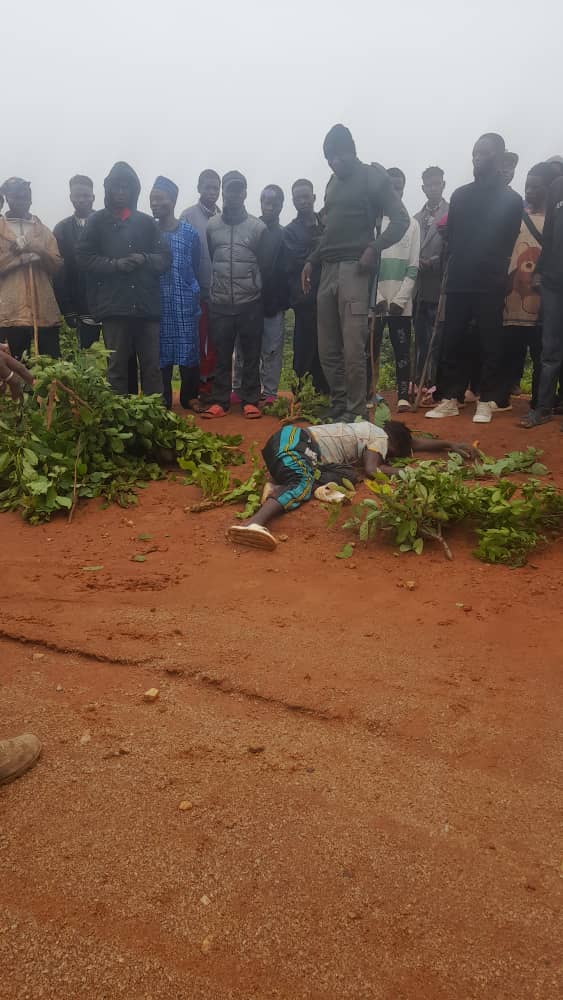
After attending an evening church service, three unarmed individuals traveling on a motorcycle from Miango town were ambushed by men armed with AK-47 rifles. One victim, Musa Akila, 25, was killed, while the other two narrowly escaped. Nuhu Nga, the National Publicity Secretary of the Miango Youth Development Association (MYDA), highlighted that this attack occurred in an agricultural hub where over 2,000 Christians have been killed by suspected Fulani militants between 2016 and date.
Christian Military Personnel Targeted
In a related incident, two Nigerian Army Christian soldiers were ambushed while returning from Jebbu Miango after dinner. One soldier later succumbed to injuries sustained in the attack. A Nigerian Army official, speaking anonymously, emphasized the need for decisive action from the Plateau State Government to address the violence, suggesting the establishment of a State military force to handle the escalating conflicts.
Other Attacks
On June 26, five Rigwe community members were killed in an attack by suspected Fulani Extremists in Hwrra, Kwall axis, Bassa county of Plateau State. The victims included Mrs. Jummai Matthew, 67; Martha Danladi, 13; Meshack Matthew, 18; Bari John, 30; and Robert Sunday, 7. Maryamu Sunday was severely injured and is receiving medical treatment. Three houses were also destroyed. The attacks continued a month later on July 25th in which 3 people were killed in Mangu county and another 4 in Bokkos county, all attributed to Fulani extremists while in August the Fulani extremist stopped Christians from going to their farms and continued to destroy farm crops belongings to Christians.
Community Under Siege
Ezekiel Binin, the Irigwe Youth Leader, reported repeated Fulani attacks on the Nigerian Army and Police in the Irigwe community. He cited a recent ambush where six military officers were killed, stressing the lack of investigation or arrests of the perpetrators. These attacks occurred shortly after suspected Fulani militants killed two individuals in Kpara village.
Historical and Environmental Context
Gata Moses, an Irigwe community rights activist, explained the historical migration of Fulani pastoralists from North Africa in search of water and grazing land due to drought and desertification. This movement has led to conflicts with local farmers. He highlighted the Fulani community’s desire for religious supremacy in Nigeria’s Middle Belt region, aiming to expand their Islamic Caliphate.
Community Response and Government Inaction
Community leaders in Nkiendoro expressed frustration over the lack of protection from the Nigerian Army, which compelled them to pay N1.3 million (about $800) as compensation for a Fulani cow killed on their farmland. The community called for a ban on open grazing of cattle to prevent further violence and to safeguard local communities. Since 2017, Nkiendoro village has suffered multiple attacks, resulting in 58 deaths, including 30 individuals killed while seeking refuge in a school classroom.
Calls for Action
Redzie Jugo, founder of the humanitarian organization Srarina Initiative for Peace Justice and Development, urged the Federal Government to compensate the families of victims with N30 billion. The Irigwe Development Association conveyed condolences to the families and called for immediate action from security agencies to address the violence.
“The persistent attacks by Fulani militants highlight the urgent need for effective government intervention to protect vulnerable communities and to address the root causes of the conflict. The international community must also take note of these human rights violations and support efforts to bring peace and stability to the region,” said Jugo.


Post Comment