By Palang Paul, Jos
Plateau State has commenced a four-year project aimed at strengthening grassroots participation in governance, particularly by helping excluded and vulnerable communities to influence public decisions and demand accountability.
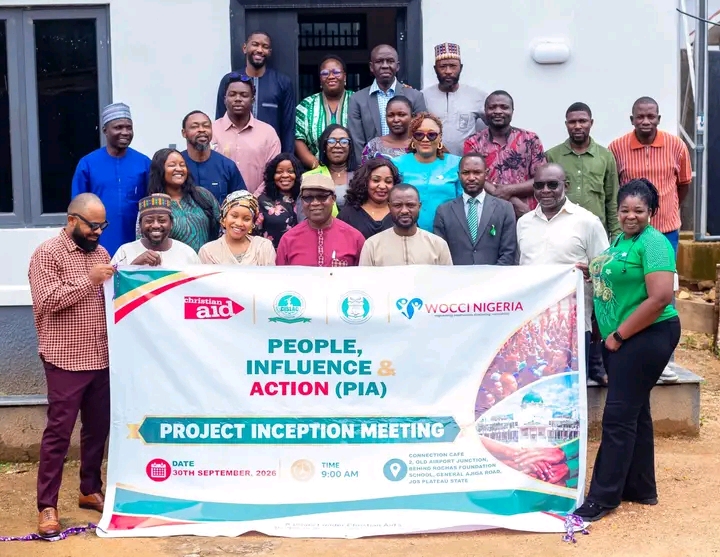
The People Influence and Action (PIA) Project was launched in Jos the Plateau State Capital on Wednesday 30th September 2026 at an inception meeting organised by the Tax Justice and Governance Platform (TJGP), in collaboration with the Civil Society Legislative Advocacy Centre (CISLAC).
Supported by Christian Aid and the West and Central African Multi-Country Cluster, the project will run from August 2026 to 2030 and cover Plateau, Kaduna and Kano states, with engagement involving relevant institutions at the federal level.
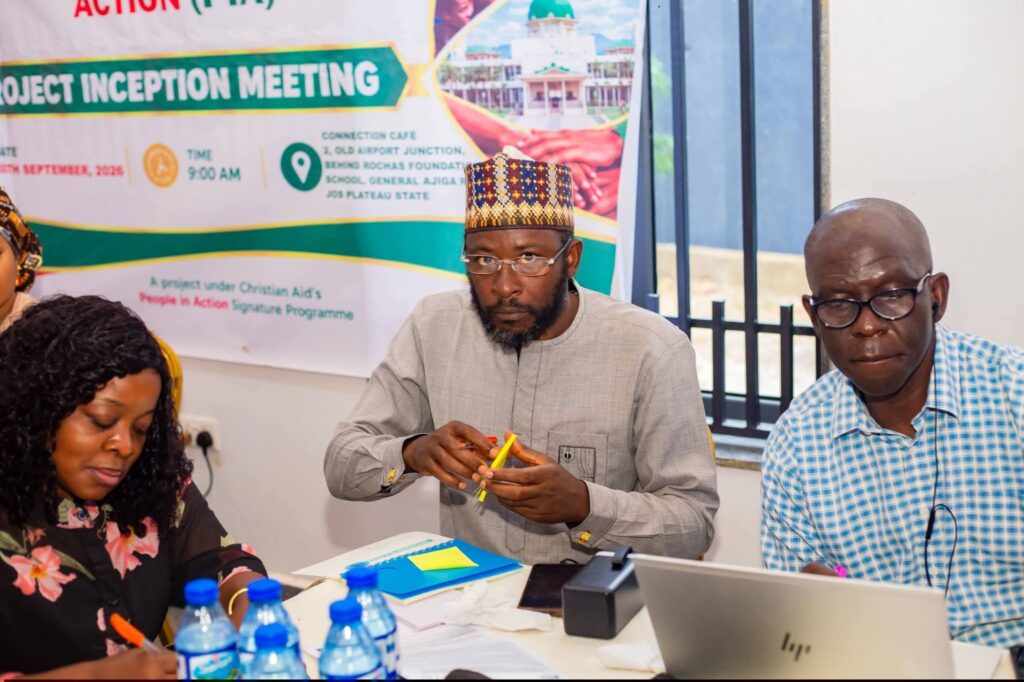
Speaking at the meeting, Simon Olatunde, Coordinator of TJGP in Kaduna State, said the initiative was designed to strengthen citizens’ understanding of government policies and create practical pathways for communities to influence decisions affecting their lives.
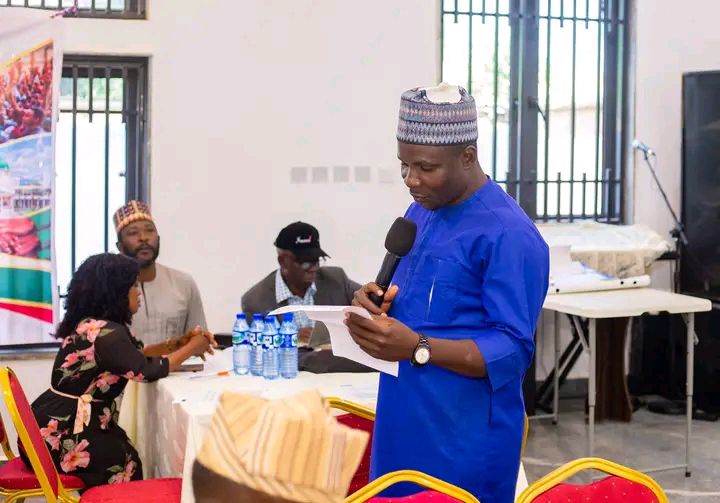
He said the project would particularly focus on people experiencing exclusion and vulnerability, equipping them with the knowledge and capacity to engage policymakers, raise concerns and demand accountability.

Olatunde said citizens would be supported to ask questions about government policies, budgets, funding, loans and the use of public resources, while creating platforms through which communities could communicate their concerns to relevant institutions.
According to him, the inception meeting was intended to establish a shared understanding of the PIA Project among community constituencies, the Kaduna State platform and relevant state and local institutions.
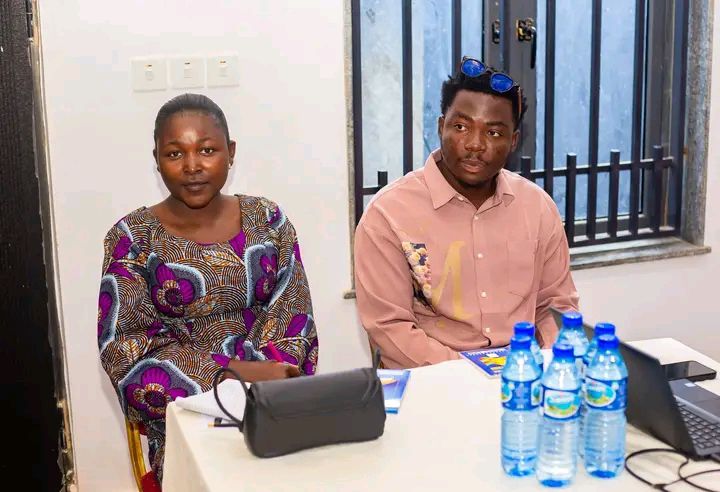
He said the project would connect community-generated evidence and priorities to institutional pathways, while generating evidence on civic space, exclusion, power relations, rights and barriers to participation.
The initiative will also examine the opportunities and challenges affecting the participation of government, civil society organisations, communities, faith-based organisations and informal-economy actors in public decision-making.
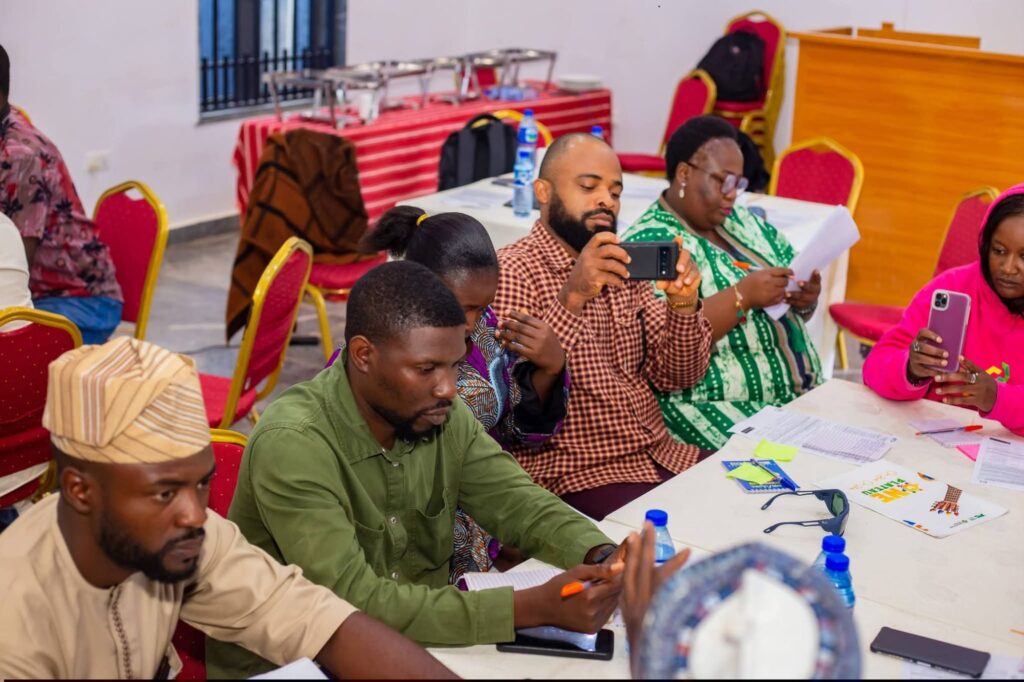
Olatunde said the project would apply a Gender, Inclusion, Power and Politics (GIPP) lens to examine how factors including gender, age, disability, livelihood, faith, location and socioeconomic status affect citizens’ voices, access to services and influence over public decisions.
“The project will work with civil society organisations and community groups to strengthen their capacity to engage government and provide platforms for citizens to express their concerns,” Olatunde said.

He added that the initiative would promote constructive citizen engagement and peaceful demands for accountability.
Also speaking, Alexandra Longdi Yildet, Founder and Executive Director of ThinkShe Aid Foundation, described the project as an opportunity to strengthen citizens’ understanding of policies and laws while improving advocacy for vulnerable groups.
Yildet said effective implementation could promote gender-sensitive governance, increase citizen participation and strengthen accountability within public institutions.
Similarly, Telshak Sani, Senior State Counsel, Plateau State Ministry of Justice, said the meeting was important for improving citizens’ awareness of governance and their rights.
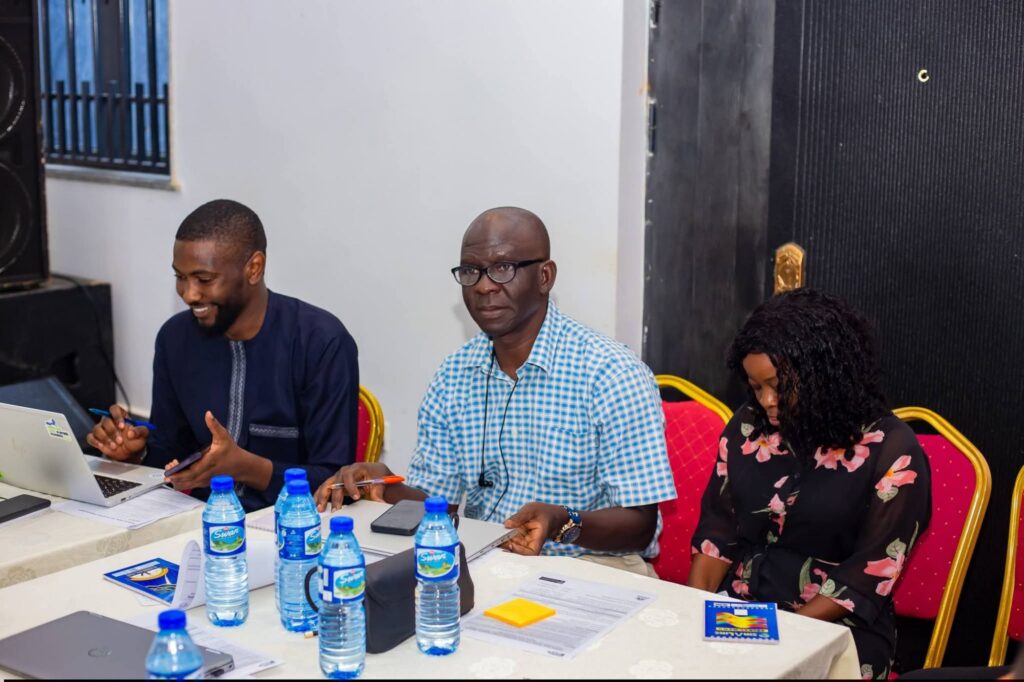
Sani urged the organisers to sustain and expand the initiative, particularly to ensure that vulnerable groups have opportunities to contribute to policies and development decisions affecting their communities.
He said the project could help communities better understand their rights and participate in decisions concerning government development projects implemented for their benefit.
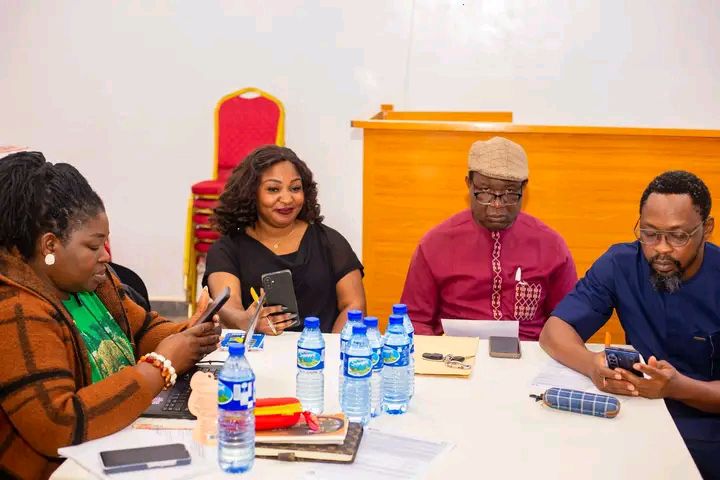
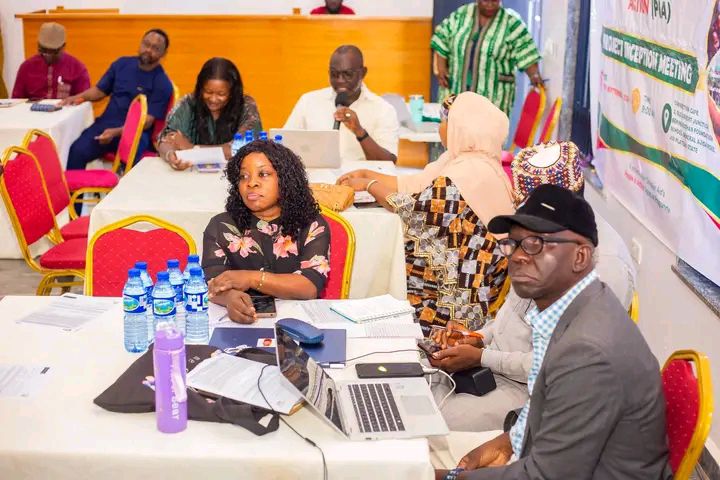
The inception meeting featured sessions on stakeholder ecosystem mapping, gender and inclusion analysis, civic space and rights, service delivery, institutional pathways, accountability and feedback mechanisms, as well as joint validation and action planning.
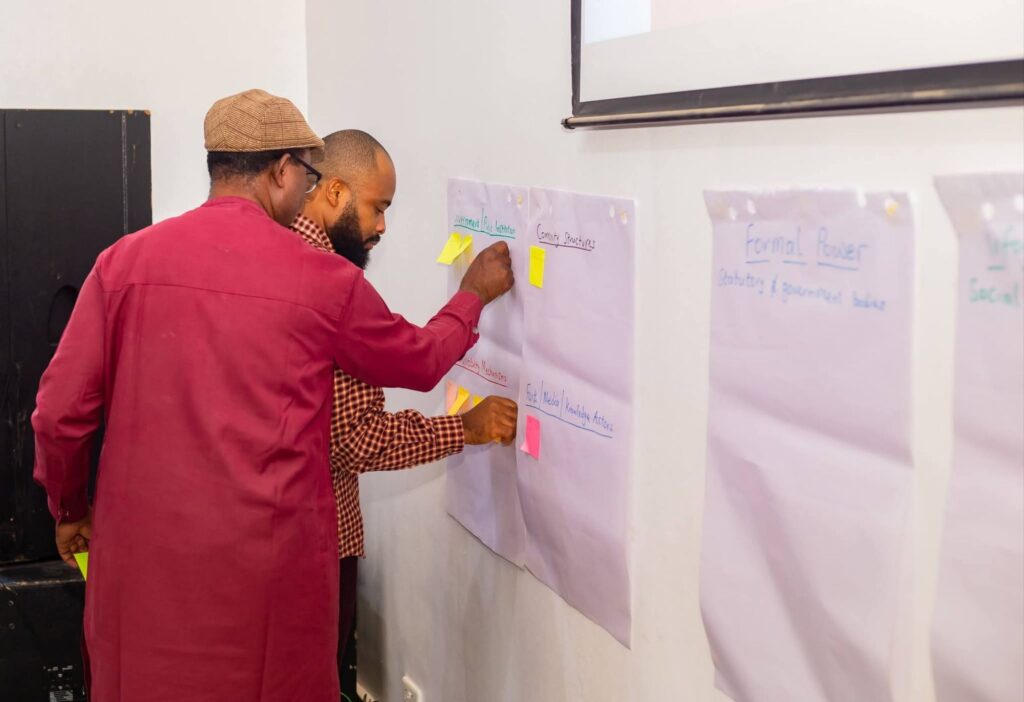
The meeting brought together civil society organisations and other stakeholders to identify barriers to citizen participation and develop practical approaches for strengthening community engagement, accountability and interaction with government institutions.
The organisers said the broader objective was to strengthen citizens’ collective ability to participate in public decision-making and create stronger links between communities and institutions responsible for policies, services and public resources.




Post Comment