By Lawrence Zongo
The killing of seven young miners in Plateau State has once again exposed the fragility of the right to life in Nigeria, raising urgent concerns about the government’s ability—and willingness—to protect its citizens from persistent violence. Beyond another statistic in the country’s long list of violent incidents, the attack underscores a widening human rights crisis marked by insecurity, weak accountability, and the normalization of preventable deaths.
The victims, aged between 15 and 28, were attacked in the early hours of January 22, 2026, at a mining site in the Lashok area of Kuru District, Jos South Local Government Area of Plateau State, North-Central Nigeria. According to community sources, the assailants were armed men suspected to be militants who stormed the site around 1:00 a.m., opening fire on the miners who had remained overnight at the location. No security personnel were present at the time of the attack.
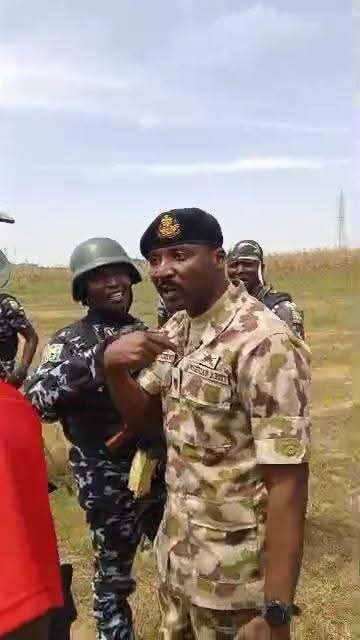
Later confirmation by the Nigerian Army corroborated the incident, stating that suspected bandits had attacked the illegal mining site, allegedly with the intention of carting away mined minerals. Troops of Sector 6, Operation Safe Haven (OPSH), were alerted to the killings at about 8:40 a.m.—nearly eight hours after the attack—and were immediately deployed to restore calm in the area.
A senior military source disclosed that security personnel recovered 10 empty shells of 7.62mm special ammunition during a sweep of the scene, suggesting the use of high-calibre weapons. The bodies of the victims were evacuated to the Primary Health Care Centre in Dabwak, Kuru, for documentation before being released to their families for burial.
While the military described the victims as illegal miners who violated Plateau State’s ban on night and illegal mining, human rights advocates argue that such details do not diminish the gravity of the crime or absolve the state of its obligation to protect life. Under Section 33 of Nigeria’s Constitution, as well as international frameworks such as the African Charter on Human and Peoples’ Rights and the International Covenant on Civil and Political Rights, the government bears the primary responsibility for safeguarding lives—without discrimination or exception.
Victims Whose Futures Were Stolen
The Berom Youth Moulders-Association (BYM) identified the victims as:
- Dung Simon (28)
- Weng Dung (26)
- Francis Paul (23)
- Pam Dung (23)
- Samuel Peter (22)
- Dung Gyang (19)
- Francis Markus (15)
The killing of 15-year-old Francis Markus has drawn particular concern from child rights advocates, who note that the death of a minor in such circumstances may constitute a grave violation of international child protection standards, including the UN Convention on the Rights of the Child, to which Nigeria is a signatory.
For families and community members, the loss is not only emotionally devastating but also deeply destabilizing. Many of the victims were young breadwinners or contributors to household income in a region grappling with unemployment, poverty, and insecurity.
Delayed Response and Fear of Reporting
Military sources revealed that the significant delay in reporting the attack was likely due to fear of sanctions linked to the state’s ban on night mining. Rights groups argue that this fear highlights a troubling dynamic: when communities are too afraid to report violence promptly, perpetrators gain a wider window to escape, and accountability becomes even more elusive.
“The delay itself is a symptom of deeper mistrust between communities and the authorities,” said a Jos-based civil society actor. Gata Moses “People feel trapped between insecurity on one hand and punitive policies on the other.” he added
Funeral as Protest and Plea
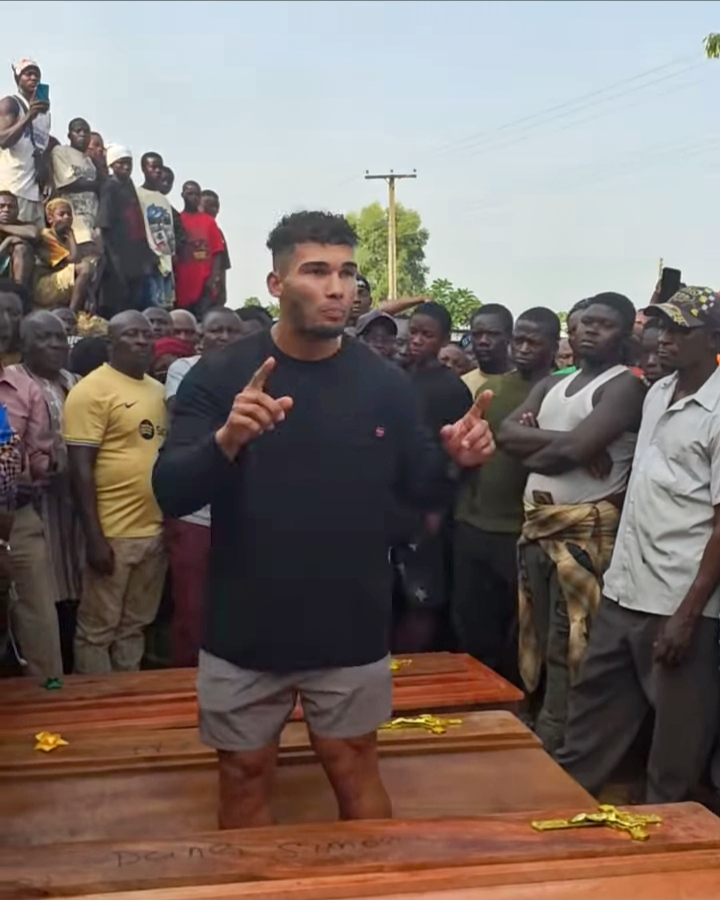
The burial of the seven miners turned into a moment of collective anguish and protest. Amid tears and grief, voices rose to question why repeated attacks continue with little tangible change. U.S.-based missionary Alex Barbir, known for humanitarian work among displaced communities in Benue State, expressed frustration over what many residents see as the state’s chronic failure to prevent violence.
“When people feel abandoned, despair replaces hope,” Barbir reportedly said, echoing sentiments shared by many mourners.
Volunteer of the International Committee on Nigeria (ICON), David Nanpet, also warned of the broader implications. “When people feel unprotected, they begin to lose faith in the rule of law,” he said. “That breakdown itself is a human rights failure.”
Official Condemnation, Persistent Doubts
Plateau State Governor Caleb Manasseh Mutfwang condemned the killings as “barbaric and senseless” and directed security agencies to pursue those responsible. Youth groups and community leaders have also called for stricter regulation of mining sites, improved surveillance, and an end to night operations that expose young people to danger.
HOWEVER, David stresses that condemnations, no matter how strong, are insufficient without concrete action. Repeated cycles of violence followed by official statements—without arrests, prosecutions, or preventive measures—have eroded public confidence in the state’s commitment to justice.
“The right to life is not protected by press releases,” Gata. “It requires proactive security, accountability for perpetrators, and reparations for victims’ families.”
A Pattern That Cannot Be Ignored
The Kuru attack fits into a broader pattern of violence across Plateau State, where farmers, miners, and rural communities have endured years of deadly attacks. Gata warns that the lack of timely security responses and consistent accountability risks normalizing violations of the right to life, particularly among marginalized and economically vulnerable groups.
Despite assurances from the military that intelligence-driven operations are ongoing to track the perpetrators and de-escalate tensions, residents remain sceptical, citing past incidents where investigations yielded little public outcome.
For the families of the seven young miners, justice remains a distant hope. For their communities, the killings raise a stark and urgent question: if the state cannot protect life at its most basic level, what meaning do constitutional guarantees and international commitments truly hold?
As Nigeria continues to grapple with insecurity, the tragedy in Kuru stands as a sobering reminder that the right to life is not merely a legal provision—it is a lived reality that demands urgent, sustained, and accountable action from those entrusted with power.


Post Comment