By faith Chondol
Across many communities in Nigeria, some girls are forced to stay away from school for several days each month—not because they are sick, but because they cannot afford sanitary pads.
This reality reflects a growing but often ignored crisis known as period poverty, which continues to affect the health, education, and dignity of millions of girls and women.
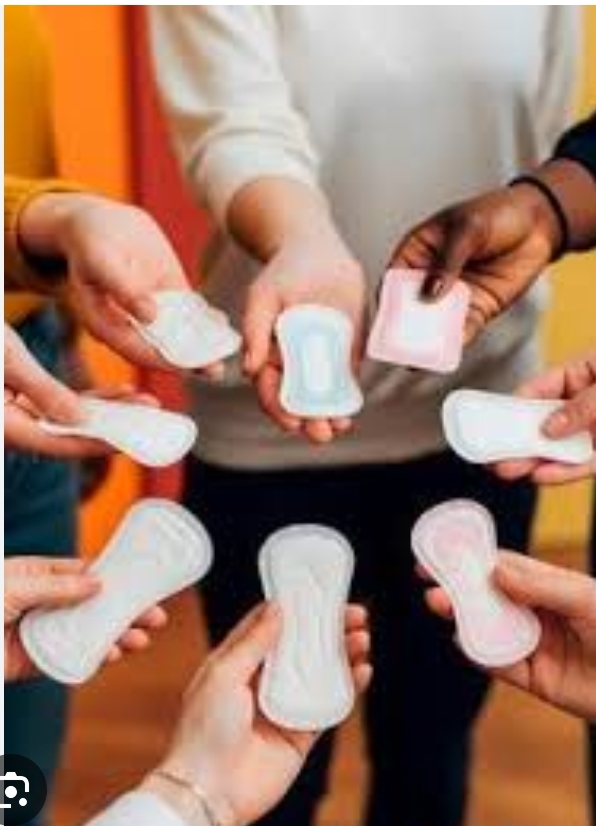
Period poverty refers to the inability to access affordable menstrual products, clean water, proper sanitation, and accurate information about menstrual health. In a country where many families struggle to meet basic needs, menstrual hygiene products are often seen as non-essential, leaving girls with limited or no options during their periods.
As a result, some girls resort to using unsafe alternatives such as old cloth, tissue paper, or other improvised materials. These methods may offer temporary relief, but they pose serious health risks. Medical experts warn that poor menstrual hygiene can lead to infections and other complications that could have long-term effects on reproductive health.
The situation is made worse by the lack of adequate sanitation facilities in many schools and communities.Without access to clean water, private toilets, and proper disposal systems, managing menstruation safely becomes a major challenge. For many girls, this leads to discomfort, anxiety, and ultimately, absence from school.
The impact on education is significant. Some girls miss classes regularly during their menstrual periods due to fear of embarrassment or lack of proper hygiene support. Over time, repeated absenteeism can affect academic performance and even increase the likelihood of dropping out of school. A natural biological process thus becomes a barrier to learning and personal development.
Cultural stigma also plays a major role in deepening the crisis. In many parts of Nigeria, menstruation is still treated as a taboo subject. Open discussions are discouraged, and girls are often made to feel ashamed of their bodies. This silence allows misinformation to spread and prevents girls from seeking help or guidance.
Organizations such as UNICEF, WaterAid Nigeria, and UNFPA have continued to raise awareness about menstrual health challenges in Nigeria. At the local level, initiatives like Pad-Up Africa are working to support girls by providing sanitary products, education, and advocacy for policy change.
Experts emphasize that addressing period poverty requires collective action. This includes making sanitary products more affordable and accessible, especially in schools, improving water and sanitation infrastructure, and incorporating menstrual health education into school programs. Encouraging open conversations within families and communities is also essential to breaking harmful taboos.
There are increasing calls for government intervention to tackle the issue more effectively. Advocates suggest removing taxes on menstrual products, providing subsidies, and recognizing menstrual health as a critical public health concern. Such measures would go a long way in reducing the burden on vulnerable populations.
Menstruation is a natural and healthy part of life, yet for many Nigerian girls, it remains a source of hardship and exclusion.
Addressing period poverty is not just about access to sanitary products it is about ensuring dignity, protecting health, and giving every girl the opportunity to fully participate in education and society without limitation.





Post Comment