By Palang Paul
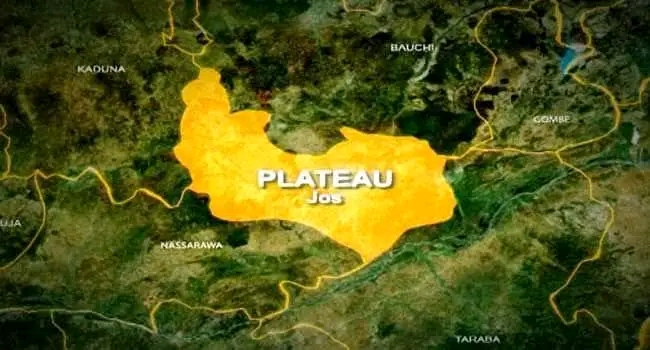
The Plateau Initiative for Development and Advancement of the Natives (PIDAN) has rejected a recent Federal High Court judgment concerning the indigeneity status of Jos North Local Government Area and announced plans to challenge the ruling through the appellate courts.
The decision, delivered on June 9 by Justice C. Donglong of the Federal High Court in Jos, has reignited a long-standing debate over indigenous identity and citizenship rights in one of Nigeria’s most historically sensitive regions.
Following an emergency meeting of its leadership, PIDAN said it would pursue all available legal and constitutional avenues to contest the judgment, describing the ruling as inconsistent with previous judicial decisions and established historical findings.
In a statement jointly signed by PIDAN President Ambassador Danjuma Nanpon Sheni and Secretary General Comrade Danjuma Dickson Auta, the organization urged residents of Plateau State to remain calm and law-abiding while legal processes unfold.
PIDAN argued that the issue of indigenous ownership of Jos North has been addressed repeatedly by judicial commissions and peace-building panels established after past communal crises in the area. The group cited findings from the Aribiton Fiberesima Commission on the 1994 Jos crisis, the Niki Tobi Commission on the 2001 crisis, the Bola Ajibola Commission on the 2008 crisis, and the 2004 Plateau Peace Conference, all of which it said recognized the Afizere, Anaguta, and Berom ethnic groups as indigenous communities of Jos and Jos North.
The organization further noted that previous court rulings, including decisions by the Plateau State High Court, the Court of Appeal in Jos, and ultimately the Supreme Court in 2009, had upheld positions it believes support its claims regarding indigeneity.
According to PIDAN, its legal team is currently reviewing the latest judgment and will advise on the most appropriate legal response, including the filing of an appeal and efforts to have the ruling set aside.
The group emphasized that the distinction between citizenship and indigeneity remains a constitutional and historical issue across Nigeria, arguing that residency and citizenship rights should not be confused with ancestral ownership and customary recognition.
While acknowledging the contributions of various ethnic communities resident in Plateau State, PIDAN maintained that such recognition does not alter what it described as the historical status of the Afizere, Anaguta, and Berom peoples in Jos North.
The organization called on Governor and security agencies to continue safeguarding peace and public order as legal proceedings continue.
The latest development is expected to draw national attention, given Jos North’s significance in Plateau State’s political and social landscape and the broader implications the case may hold for debates surrounding identity, citizenship, and indigeneity across Nigeria.



Post Comment