By Mike Odeh James | Jos
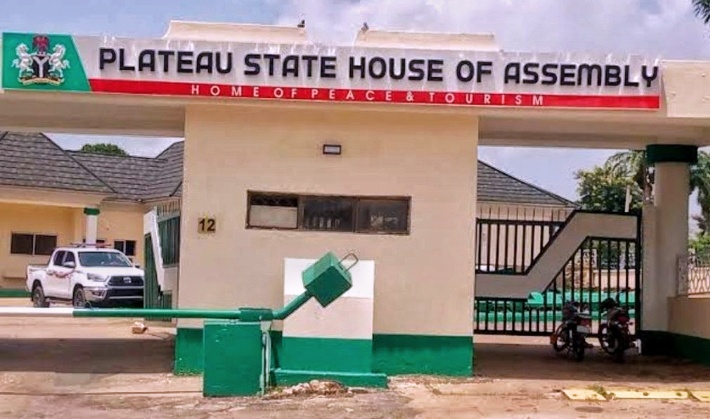
A Plateau-based civic group has petitioned the State House of Assembly to compel Governor Caleb Mutfwang to disclose the historical basis for his apology to the Igbo community over Plateau’s role in the 1967–1970 Nigerian Civil War, describing the apology as an unexplained reversal of the state’s received history.
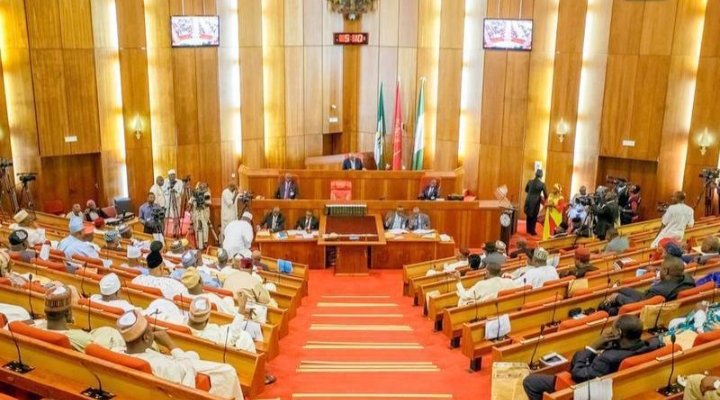
In an open letter addressed to the Speaker and members of the Assembly, the Chief Executive Officer of The Beacon, Mr. Shabul Mazadu, said lawmakers were bound by their oath to check the executive and to protect the right of citizens to know their own history.
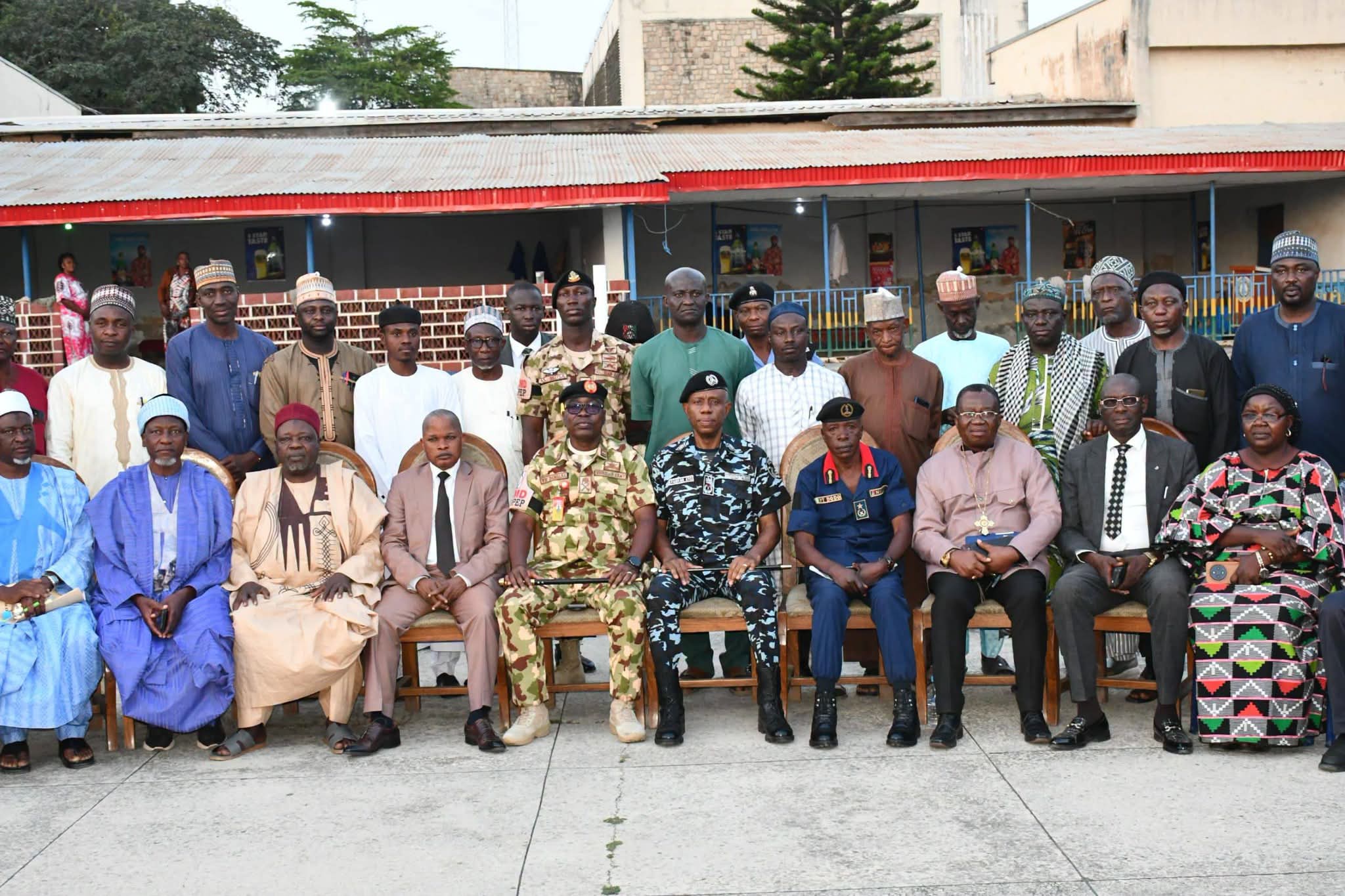
The letter follows the governor’s apology to the Igbo community for the role Plateau played during the war, delivered at an interactive session with Igbo leaders drawn from the state’s 17 local government areas at the Government House, Little Rayfield, Jos. Mutfwang said Plateau people had been deceived into taking part in the war by the military administration of Gen. Yakubu Gowon, an indigene of the state who was Nigeria’s head of state at the time.
“I apologise to the Igbos so that we can put the past behind us and continue to foster unity. We have become one family because our people were deceived into going to war, and we regret it. We must close that chapter and move forward,” the governor said.
Mazadu said the phrasing amounted to a formal admission of wrongdoing on behalf of both the living and the dead, and could not be left unexplained.
“One must know his sins before apologising,” he wrote.
The letter puts six questions to the governor through the Assembly: whether the civil war was a Plateau war, and if so, how; what offence the state’s military personnel committed by taking part; who deceived them, and when, how and where; who among them was deceived; what form the deception took; and what the governor considers the remote and immediate causes of the war.
Mazadu argued that the apology carried a cost the state had not been asked to weigh. “The blood of our soldiers who died in the war has been discredited by the Governor’s apology,” he wrote, adding that the matter “must be vividly and intensively explained so that we will know, our children will know and their children and coming generations should know too.”
The letter also invokes the killing of Colonel James Pam, a Plateau-born officer who served as Adjutant-General of the Nigerian Army and was among the senior officers assassinated in the coup of January 15, 1966. Mazadu attributes that coup to “Igbo putschists” and describes it as the trigger of the civil war — a characterisation that remains contested among Nigerian historians, several of whom note that the coup’s plotters were of mixed origin and that its leader, Major Chukwuma Kaduna Nzeogwu, was raised in Kaduna.
The Beacon’s intervention introduces the first publicly documented dissent within Plateau to an event otherwise received warmly by its intended audience. At the same session, the President-General of the Igbo Community in Plateau State, Chief Chidi Onah, praised the governor’s inclusive leadership and announced that the community had unanimously endorsed him for a second term ahead of the 2027 governorship election, citing his competence, integrity and commitment to equity.
That sequencing — an apology for a fifty-six-year-old war followed immediately by an electoral endorsement — is the political subtext Mazadu’s letter presses against without naming directly.
Beyond the apology itself, the governor described the Igbo community as integral to Plateau’s socio-economic development and said the state had remained one of the most accommodating for Igbo people since the war ended, noting that compensation had been paid for some losses suffered during the conflict. He also urged Igbo business owners in the state to employ and mentor young people locally.
Neither the Government House nor the Assembly leadership had responded to the letter at the time of filing.
“Kindly use your exalted office to help us know the truth for a better decision for the future,” Mazadu wrote.


Post Comment