By Palang Paul
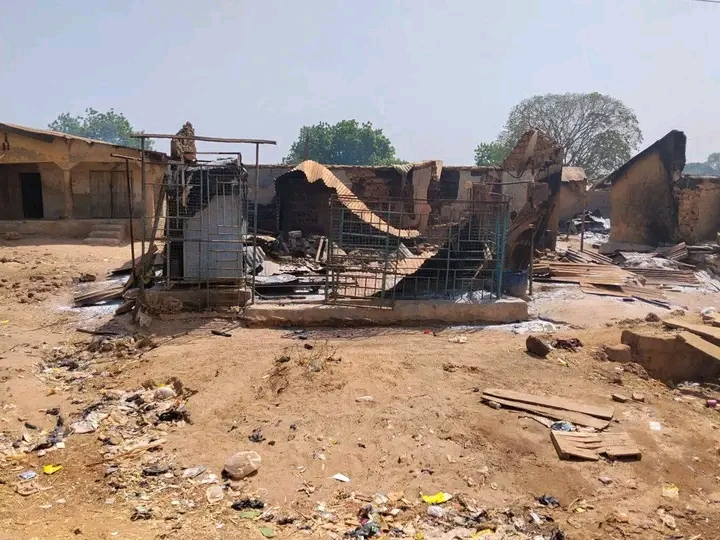
In early February 2026, the quiet farming communities of Kaiama Local Government Area in Kwara State Nigeria, were transformed into a killing field. Atleast 162 residents were murdered in what local leaders and rights groups describe as one of the deadliest, most coordinated, and ideologically driven attacks ever recorded in the state.
A Community Targeted for Belief, Not Ransom
Unlike the kidnapping-for-ransom attacks common across Nigeria, survivors said the assault on Woro and Nuku communities was driven by ideology. Residents identified the attackers as religious extremists, with some linking them to the Islamic State-aligned Lakurawa group, while others believe they were a Boko Haram splinter faction.
According to community leaders, the militants had earlier sent letters to Woro, demanding residents abandon the Nigerian state and submit to an extremist interpretation of Islamic Sharia law. The villagers mostly Muslims rejected the ultimatum.
That refusal proved deadly.
The Night of Terror
On February 3, 2026, at about 5:30 p.m., hundreds of armed men stormed the communities. Homes, shops, and the palace of the traditional ruler were set ablaze. The violence continued for hours, only ending around 3:00 a.m. the next morning.
Among those killed were the chief imam of Woro, a school principal, a headmistress, and several schoolchildren. The traditional ruler lost two sons, while his wife and three daughters were abducted.
“It was not an attack—it was a massacre,” the village head Umar Salihu later said.
Staggering Death Toll, Communities Emptied
Initial searches recovered 78 bodies, which were buried in mass graves on February 4. As survivors and volunteers combed nearby forests, the toll rose sharply. Local sources estimate between 160 and 200 people were killed.
At least 38 women and children were abducted.
Once-busy villages were left nearly deserted as residents fled, turning the area into what eyewitnesses described as “a shadow of its former self.”
A Warning Ignored
Perhaps the most troubling aspect of the massacre is what came before it.
Community leaders say they alerted authorities in Ilorin months earlier about militant movements and explicit threats. Despite this, no preventive action was taken.
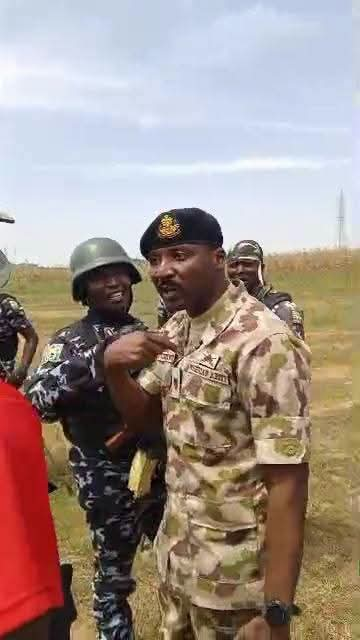
The military reportedly arrived about 10 hours after the attack began, long after the assailants had withdrawn into nearby forests.
Amnesty International and security analysts criticized the pattern of short-term troop deployments that fail to provide lasting protection.
A Dangerous Expansion of Extremism
The Kwara killings highlight a widening geographic spread of extremist violence, moving beyond Nigeria’s northeast and northwest into central regions previously considered relatively stable.
The attack came shortly after the military announced it had killed 150 fighters during an offensive in the area. Kwara State Governor AbdulRahman AbdulRazaq described the massacre as a retaliatory act by weakened but dangerous cells.
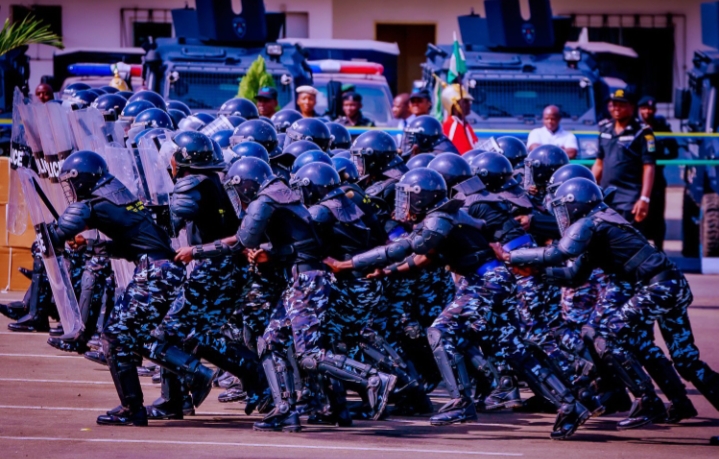
In response, President Bola Ahmed Tinubu ordered the deployment of an army battalion under Operation Savannah Shield, while the United States and other international actors condemned the violence.
Grief, Fear, and Unanswered Questions
As soldiers patrol and officials issue assurances, the people of Kwara North are burying their dead, searching for the abducted, and asking the same question heard across Nigeria’s conflict zones:
How many warnings must be ignored before lives are protected?
Palang Paul reports on security and conflicts for The Nigeria Times.


Post Comment