By Palang Paul
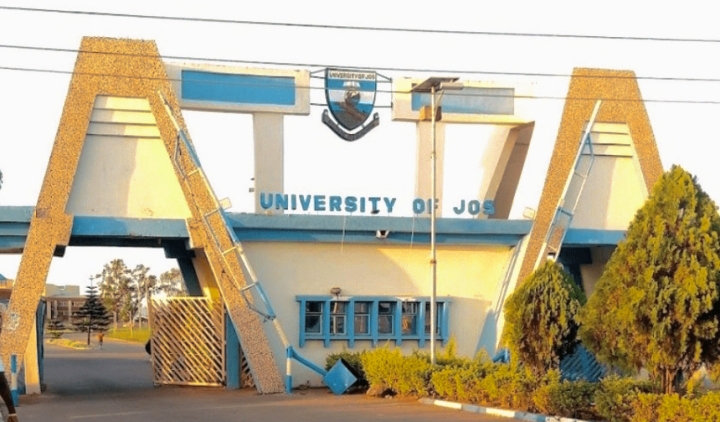
About Eight professors are reportedly vying to succeed University of Jos (UNIJOS) Vice-Chancellor, Professor Tanko Ishaya, whose five-year tenure ends in November 2026.
The contest gained momentum on Monday when the university’s Advancement Office, in collaboration with the Academic Staff Union of Universities (ASUU), organised an interactive session for the aspirants to present their visions and leadership plans.
The professors named among the participants were Patricia Lar, Ikonne Ogaji, Victor Duga, Sati Fwatshak, Anthony Dakum, Bernard Matur and Simon Yiltok.
They outlined their positions on university governance, funding, staff and students’ welfare, research, innovation and institutional development.
In his welcome address, ASUU Chairman, Professor Joseph Jurbe Molwus, said the engagement was organised to give critical stakeholders an opportunity to interact with the aspirants and contribute to discussions on the university’s future leadership.
“The university does not exist in isolation. That is why we have extended invitations to all the critical stakeholders to come and interact with those who have indicated interest in becoming the next Vice-Chancellor of the University of Jos,” he said.
Molwus urged the candidates to approach the contest as an opportunity to serve rather than a personal battle, stressing that whoever emerged would remain part of the university community.
He also called on unsuccessful aspirants to support the eventual appointee in advancing the institution.
The ASUU chairman disclosed that the union had earlier consulted student leaders to obtain their views on previous and current university administrations, as well as their expectations of the incoming leadership.
He said the union had compiled the students’ concerns into a document to be presented to the successful candidate as a guide for addressing issues affecting the university community.
Also speaking, former Vice-Chancellor of Karl Kumm University, Professor Nanven Gambo, challenged the aspirants to prioritise integrity, accountability, transparency, due process and inclusiveness in managing the institution.
Speaking on the theme, “Governance, Integrity and Inclusivity: Vision, Mission, Academic Leadership and Innovation,” Gambo described good governance as the responsible management of power and authority for the common good of the university community.
He cautioned the candidates against administrative practices that undermine transparency and due process, noting that universities operate within established traditions, regulations and procedures that must be respected.
Gambo also urged the aspirants to embrace inclusiveness by accommodating staff, students and other stakeholders regardless of their ethnic, religious or social backgrounds.
He emphasised the importance of emotional intelligence in managing disagreements with university unions, describing them as essential partners in institutional administration.
On institutional development, Gambo advised the candidates to conduct a Strengths, Weaknesses, Opportunities and Threats (SWOT) analysis to understand the university’s challenges and opportunities before developing realistic development strategies.
He further urged them to explore alternative funding sources through external partnerships, research collaborations and innovation rather than relying solely on government allocations.
“Your strategic funding cannot be sufficient unless you reach out, go outside the comfort of your office, and begin to engage with people that you believe can come to the aid of the university,” he said.
In an interview, the Executive Director of the University of Jos Advancement Office and co-convener of the event, Professor Sarah Lwahas, said the engagement was designed to bring the aspirants closer to the university community and provide stakeholders with an opportunity to assess their leadership capacities.
Lwahas said the Advancement Office had sustained engagements with university staff, students, alumni and external stakeholders over the past three years to promote institutional development.
She explained that the interaction would help members of the university community evaluate the candidates’ character, leadership qualities, vision and mission ahead of the appointment.
The session also provided an opportunity for stakeholders to understand the priorities and proposed direction of each aspirant if appointed.
Professor Ishaya, who assumed office on December 1, 2021, is expected to complete his five-year tenure in November 2026.



Post Comment