By Faith Chondol
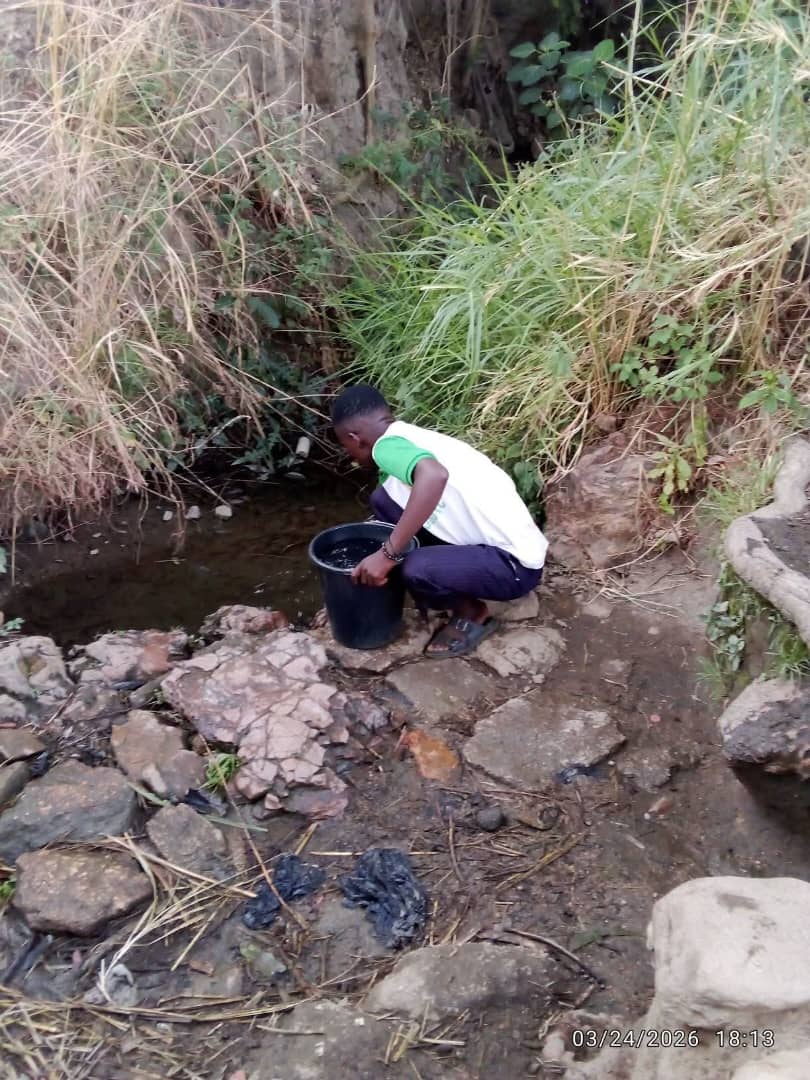
Every morning in Hukke community of Bassa Local Government Area, children clutch buckets and wait beside a muddy shrinking pond for hours, hoping enough water will gather for their families to drink, cook, and survive a grim daily reality that residents say has worsened as changing weather patterns and failed public interventions push the rural settlement deeper into a water and health crisis.
For decades, the community relied entirely on the natural groundwater-fed pond, which once provided clean and sufficient water for households across the area. But today, the source has become increasingly unreliable and dangerously contaminated, exposing the growing impact of climate change on vulnerable rural communities in Plateau State North Central Nigeria.
Residents say the water level has steadily declined over the years, particularly during prolonged dry periods, forcing families to ration water and endure long waiting hours before they can fetch enough for daily use.
“This water is our only source of water in this community, but unfortunately, the quantity of the water has significantly reduced over time,” said Mama Sibi Kwa, a resident of the community. “Children now wait for long hours for the water to gather before they can fetch it.”
Community members believe irregular rainfall and longer dry spells are contributing to the depletion of the pond, which depends largely on seasonal groundwater recharge. At the same time, heavy rains now worsen the condition of the water source rather than replenish it.
“When rain falls, it carries dirt not properly disposed of into the water and contaminates it,” said Mr. Ngwe James.
Residents say runoff from surrounding areas washes dirt, waste, and organic matter directly into the open pond, leaving the water visibly polluted and unsafe for consumption.
The consequences have been severe. Community members and local health workers report repeated cases of typhoid and cholera linked to the continued use of the contaminated water source.
Despite the health risks, many residents say they have no alternative.
“After we discovered that the water had been contaminated, we couldn’t stop using it because we had no other options,” said Aravo Geni. “What we do is to fetch the water and sieve it at home to reduce the dirt and worms usually found inside.”
The community had previously received a borehole intervention from an organisation, but residents said the project failed shortly after installation due to poor siting and lack of proper hydrogeological assessment.
“We used the borehole for only a short time before the water stopped pumping,” said Moses Nneche. “The survey was not done properly, and since then, nobody has returned to fix it.”
The abandoned borehole has become a symbol of broken promises in a community residents say has largely been left to face the crisis alone.
Findings from local assessments indicate there are no major mining activities around Hukke that could explain the reduction in water levels, strengthening concerns that environmental and climatic changes are major contributors to the worsening water scarcity.
Environmental experts warn that communities dependent on open natural water systems are increasingly vulnerable to climate-related disruptions, especially in rural areas where infrastructure and government support remain weak.
For residents of Hukke, however, the crisis is no longer an environmental debate but a daily struggle for survival.
As women and children continue gathering around the shrinking pond each day, the community’s experience reflects a growing reality across many rural settlements in Nigeria — where climate change, poverty, and failed infrastructure are combining to turn access to clean water into a dangerous uncertainty.




Post Comment