By Palang Paul
Civil society organisations in Plateau State have stepped up efforts to influence climate legislation, forming a new coalition and opening talks with a key government project focused on land and environmental management.
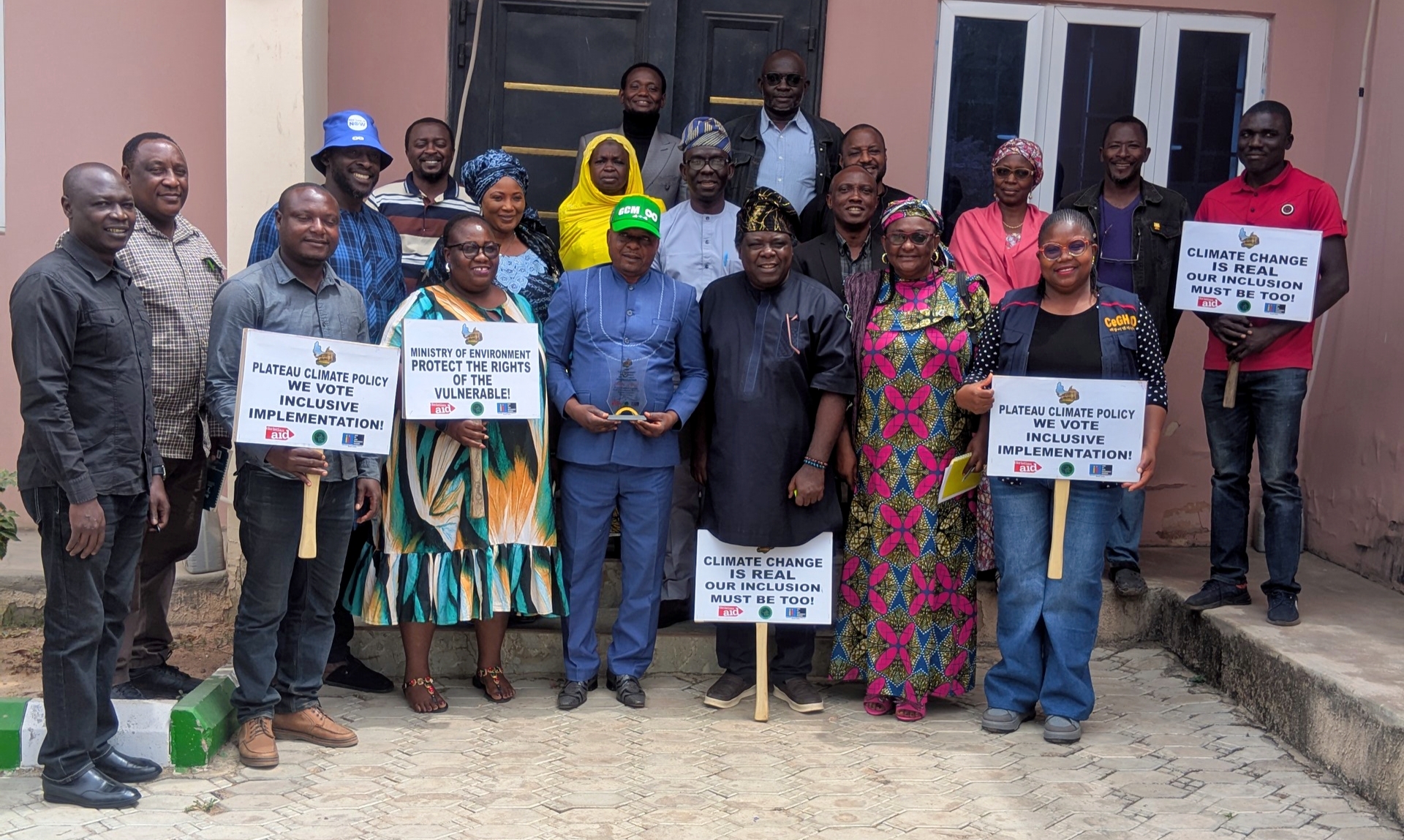
The move followed a three-day town hall training on Inclusive Climate Policy Advocacy held from Feb. 18 to 20 at Lemonde Hotel in Jos. The training was convened by the African Centre for Leadership, Strategy & Development in partnership with Side-By-Side Movement Nigeria and supported by Christian Aid. Participants included members of civil society groups, lawmakers, traditional rulers, religious leaders, women’s groups, and representatives of persons with disabilities.
At the end of the sessions, participants announced the formation of the Plateau Climate Governance Support and Advocacy Network (PCGSAN), a coalition designed to coordinate advocacy around climate policy and governance in the state.

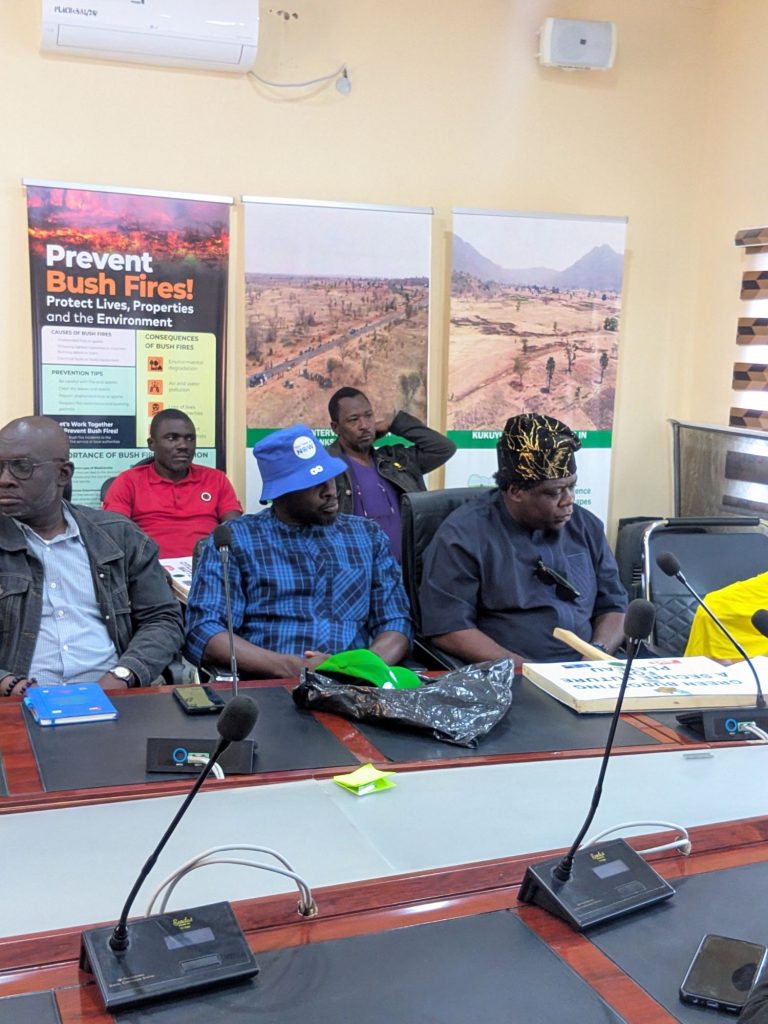
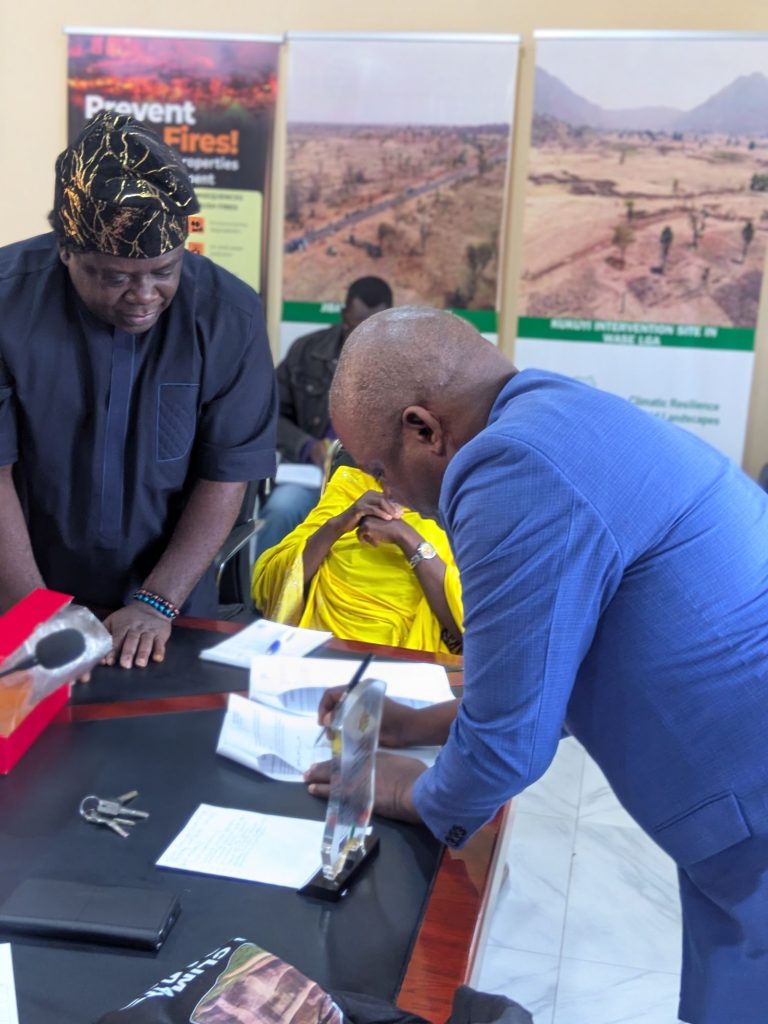
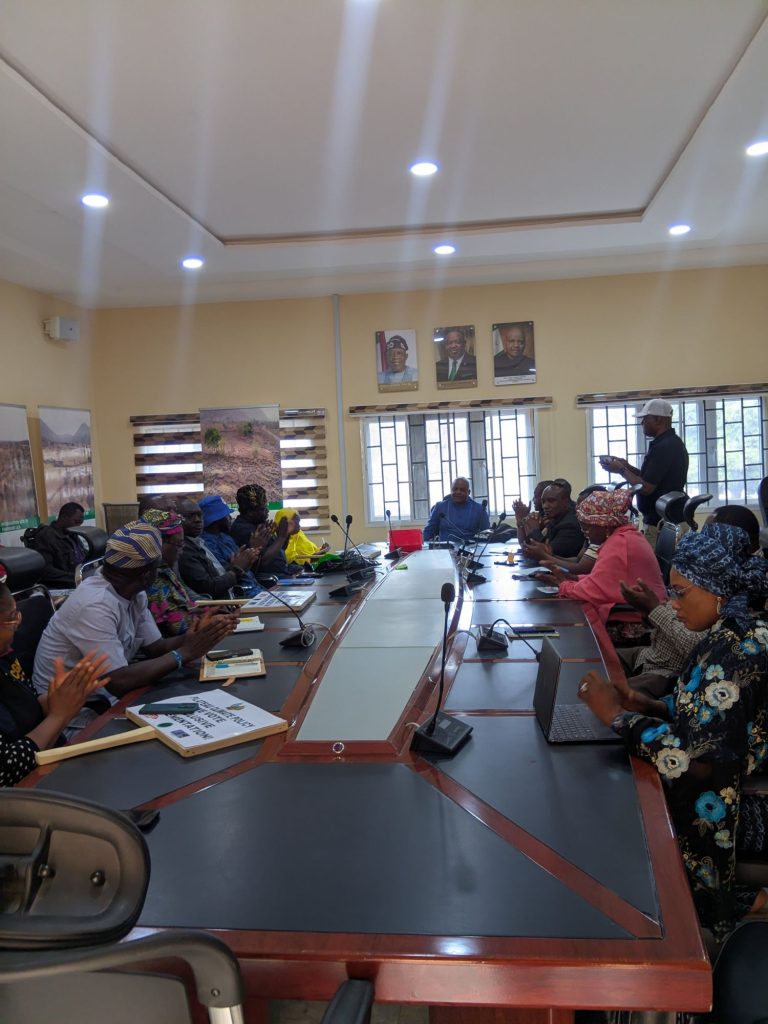
Within days, members of the network secured a meeting with the Plateau office of the Agro-Climatic Resilience in Semi-Arid Landscapes project, widely known as Agro-Climatic Resilience in Semi-Arid Landscapes (ACRESAL). The visit took place in Jos, where the delegation met with the State Project Coordinator, Dr. Garba Gowon Gonkol, and members of his management team.
Land Degradation and Climate Pressures
During the meeting, PCGSAN representatives outlined their objective: to encourage the Plateau State House of Assembly to pass a pending Climate Change Bill. They said a legal framework would guide state responses to environmental challenges affecting farming communities, rural livelihoods, and urban settlements.
ACRESAL officials described their ongoing interventions across Plateau and other states participating in the project. According to Mr. Nambal Hassan, an Environment Officer with the project, ACRESAL focuses on addressing land degradation, deforestation, and ecosystem decline in semi-arid regions.
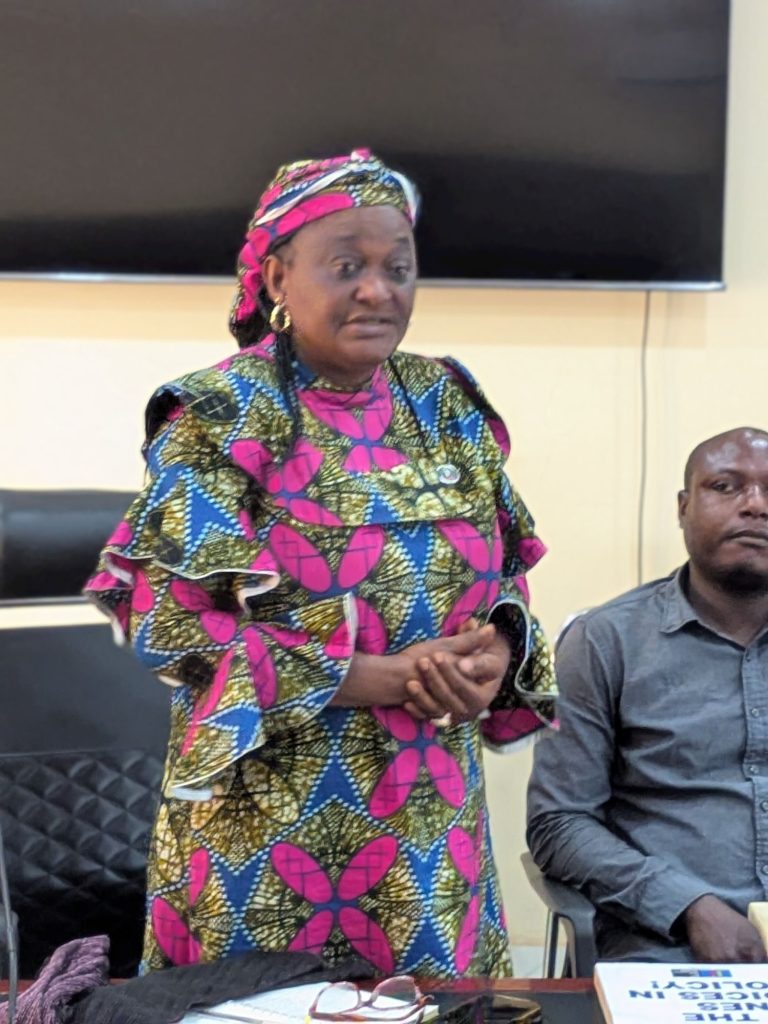
He explained that the project operates through three main components. The first targets dryland management, including erosion control and watershed restoration. The second promotes climate-resilient livelihoods, supporting adaptive farming practices and water resource management. The third strengthens institutions, helping states develop policies and frameworks to sustain environmental reforms.
Plateau communities have reported recurring erosion, shrinking water sources, and declining soil fertility in several local government areas. ACRESAL’s interventions include reforestation, gully stabilisation, and community-based land management initiatives.
Advocacy Meets Implementation
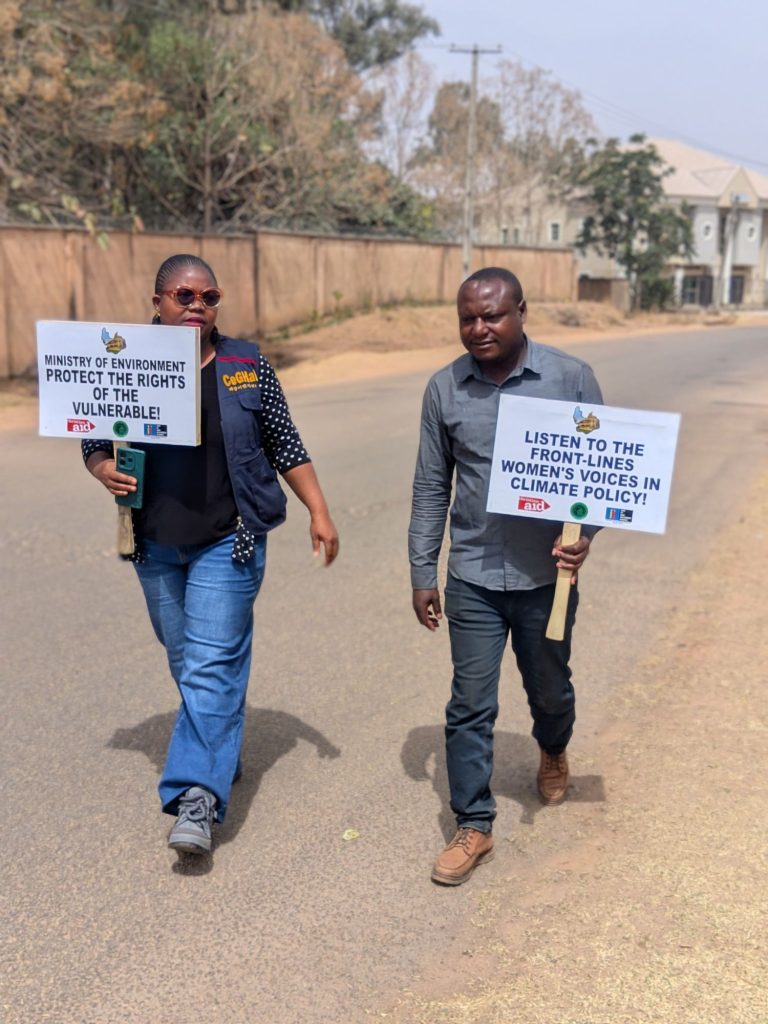
Members of PCGSAN said the engagement with ACRESAL formed part of a broader outreach strategy. In the week before the meeting, the network had also interacted with officials connected to Plateau’s climate policy processes, including engagements around the state’s climate framework and discussions with the Commissioner for Environment.

Mr. Albert Pam, one of the resource persons involved in the training sessions, said the coalition intends to link grassroots mobilisation with technical institutions already working on environmental resilience.
The discussions in Jos centred on how civil society actors and government-backed projects could exchange information, share data, and coordinate messaging around the proposed Climate Change Bill. Participants also discussed how to ensure that rural communities, women, and persons with disabilities are included in consultation processes tied to environmental decision-making.
ACRESAL officials outlined existing structures for stakeholder engagement under the project and described opportunities for community input during planning and monitoring phases.
The Road to Legislation
The proposed Climate Change Bill before the Plateau State House of Assembly seeks to establish a legal basis for climate governance, define institutional responsibilities, and align the state’s policies with national and international climate commitments. Advocates argue that codifying climate action into law would help standardise response strategies across ministries and local government councils.
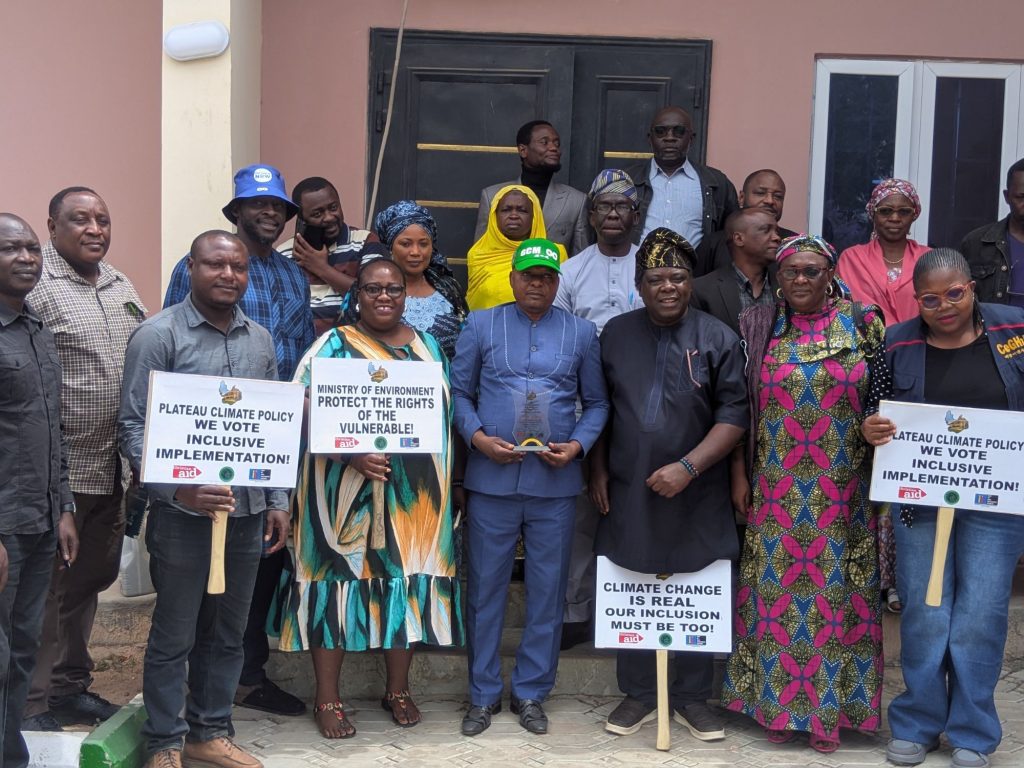
PCGSAN members said they plan to conduct further engagements with lawmakers, community groups, and the media in the coming weeks. Their approach includes public awareness campaigns, policy brief submissions, and consultations aimed at clarifying provisions in the draft bill.
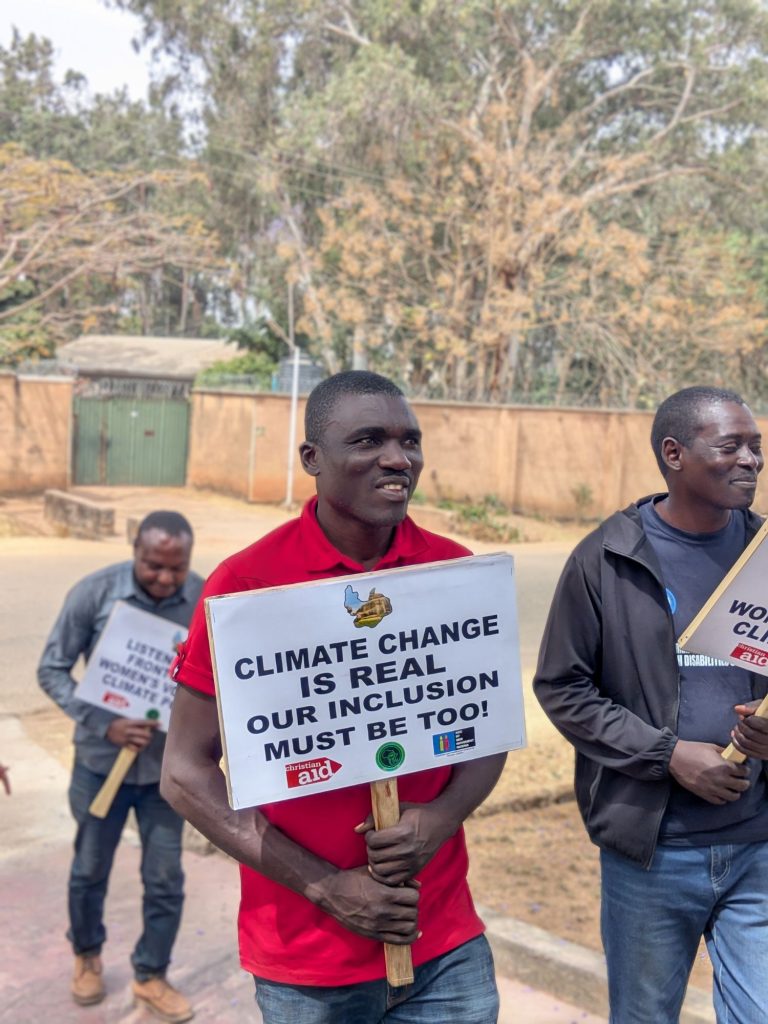
For ACRESAL, the meeting signalled potential collaboration with a network that can mobilise communities and track legislative developments. For civil society groups, the engagement provided access to technical insights on land restoration, water systems, and climate adaptation strategies already underway in Plateau.
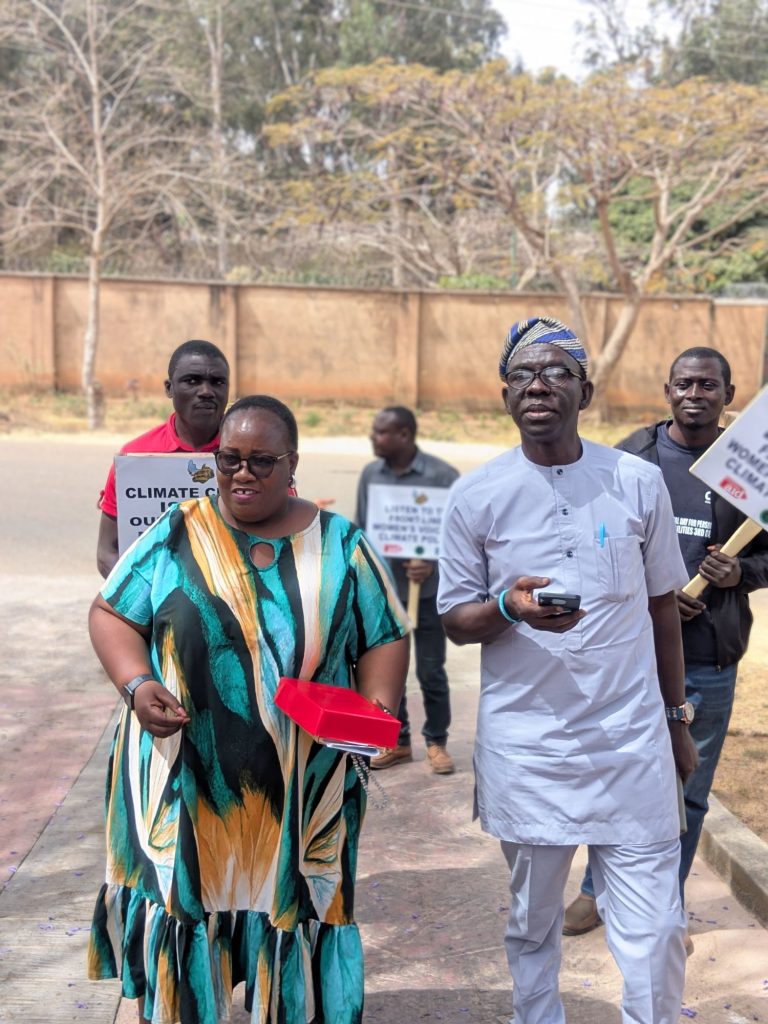
Both sides agreed to maintain communication channels as discussions around the Climate Change Bill continue.
As Plateau navigates rising environmental pressures—from erosion to unpredictable rainfall patterns—the outcome of legislative deliberations and cross-sector coordination may shape how the state structures its long-term response to climate risks.



Post Comment