By Gata Moses/The Nigeria Times
Hurra is a small farming settlement nestled in the rolling hills of Rigwe land in Nigeria’s Plateau State, where families cultivate maize and vegetables, and community affairs are still guided by traditional leaders. On the evening of January 5, 2026, that routine was broken when the village head, Mr. James Jatau, failed to return home alive from a neighboring community gathering.
Mr. Jatau was ambushed and killed while traveling back from Zirshe village, according to local residents and community leaders. His killing has added to a growing list of attacks on Christian rural communities in central Nigeria, where traditional rulers have increasingly become targets in a conflict marked by disputes over land, identity, and control.
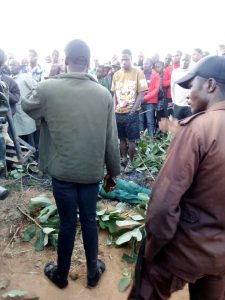
Residents of Hurra said the attack occurred along a rural road frequently used by villagers moving between settlements. Mr. Jatau, described by locals as a quiet farmer and mediator, had earlier attended a community event in Zirshe, another Rigwe village. He was later found dead, his killing sending shockwaves through surrounding communities.
Community members said Mr. Jatau had previously received warnings linked to insecurity in the area. Several Rigwe villages across Bassa and Barkin Ladi local government areas have experienced repeated attacks over the past decade, with residents accusing armed Fulani militias of targeting Christian settlements.
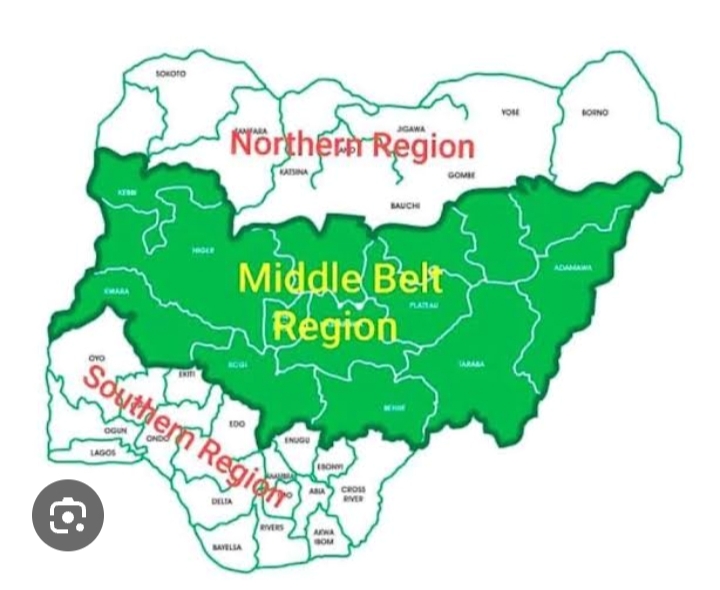
Plateau State lies in Nigeria’s Middle Belt, a region that has become one of the country’s most volatile zones. Here, farming communities—many of them predominantly Christian—have clashed repeatedly with armed groups identified by residents and local authorities as Fulani militants. The violence has involved village raids, killings, kidnappings, and the destruction of homes and farmlands.
Local leaders say the killing of Mr. Jatau follows a pattern seen in other parts of Plateau and neighboring states, where traditional rulers have been attacked or killed. Rights groups and church organizations estimate that dozens of Christian traditional leaders have been killed in Nigeria’s Middle Belt over the past ten years, often during or following attacks on their communities. These leaders play key roles in land administration, conflict mediation, and communal cohesion, making their removal particularly destabilizing.
In Hurra, residents described the attack as targeted. Mr. Sunday John, a community leader, told journalists that the killing occurred without provocation and warned that it could be a precursor to further assaults.
“This was not a random incident,” he said. “When a village head is attacked on his way home, it creates fear not just here but in all surrounding villages. People are worried about what may come next.”
According to residents, the security response after the killing was limited. Community members said that only a nearby security commander visited Hurra to offer condolences before Mr. Jatau was buried. No arrests have been announced, and residents said no sustained security deployment followed the attack.
Youth leaders from the area also voiced concern about the vulnerability of rural communities. Mr. Zino Yakubu, a youth representative from Hurra, said villagers had not noticed any unusual movements before the attack and were caught off guard.
“Our farms are our livelihoods, and our leaders are our voice,” he said. “When a traditional ruler is killed, people begin to feel unprotected. Many young people are now afraid to travel between villages, even for normal community activities.”
Across Plateau State, attacks on traditional leaders have carried broader implications. Analysts note that traditional rulers often serve as custodians of communal land and history. Their removal can weaken resistance to displacement, particularly in areas where land disputes overlap with ethnic and religious fault lines.
Christian advocacy organizations have long argued that the violence in Plateau and other Middle Belt states goes beyond isolated farmer-herder clashes. They point to repeated attacks on Christian villages, churches, and leaders as evidence of a broader pattern of persecution and territorial expansion. Fulani armed groups, often operating on motorcycles and carrying military-style weapons, have been accused of driving villagers from ancestral lands, which are later occupied or left inaccessible to displaced residents.
The Nigerian government has repeatedly said it is committed to addressing insecurity nationwide. Security agencies maintain that attacks in rural areas are complex and involve criminal banditry, communal tensions, and competition over resources. However, residents of Rigwe land and other affected areas say these explanations do little to address their immediate concerns.
Civil society groups have renewed calls for improved intelligence gathering, permanent security outposts in vulnerable rural areas, and accountability for attacks on traditional leaders. They argue that the continued killing of community heads undermines local governance structures and accelerates displacement.
Humanitarian organizations report that thousands of people in Plateau State remain internally displaced due to years of violence. Many live with relatives or in informal shelters, while others attempt to return to farmlands under the constant fear of renewed attacks.
For the people of Hurra, the death of Mr. Jatau has left a leadership vacuum and deep uncertainty. Elders said preparations are underway to appoint an interim head, but concerns remain about the safety of anyone willing to take on the role.
As night falls over the fields surrounding Hurra, residents say the fear is no longer abstract. The road where their village head was killed is the same path used daily by farmers, children, and traders. With no arrests announced and limited security presence, many say they are left to rely on vigilance and community solidarity while waiting for a response that has yet to come.


Post Comment