By Mike Odeh James
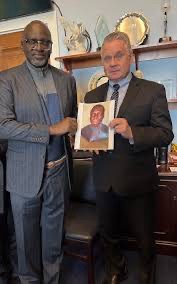
On the 25th anniversary of his humanitarian relief missions to Nigeria, U.S.-based international human rights lawyer Emmanuel Ogebe says the plight of Christians in Nigeria has worsened drastically since the onset of the Sharia crisis in 2000.
Speaking in a special Truth Nigeria TV interview, Ogebe, who recently completed a series of field missions to Nigeria, said the country is now engulfed in a “systematic, ongoing genocide” against Christians—driven by Islamist militants, Fulani militias, and an overwhelmed or complicit state apparatus.
“We’re no longer seeing isolated incidents,” Ogebe told Truth Nigeria’s Mary Kanum. “What we have now is a continuous vortex of violence. Nigeria has become the deadliest country in the world for Christians—for 13 out of the last 14 years.”
Field Visit Reveals Harrowing Stories of Loss
During his most recent visit, Ogebe met victims of what he described as genocidal attacks. One woman in Plateau State had lost her entire family in a mass killing, surviving only with one severely injured child after losing a hand herself.
In Bassa LGA, he documented a disturbing sequence in which the Nigerian military allegedly disarmed locals just days before a deadly attack.
“That kind of disarmament, just before an attack, suggests complicity,” Ogebe said. “The very people meant to protect citizens were effectively preparing them to be massacred.”
Allegations of Military Complicity
Ogebe accused elements within the Nigerian military of aiding or turning a blind eye to atrocities.
“There’s a military cantonment right beside Miango,” he said, referring to the site of a 2021 attack on an orphanage he helped establish. “The military didn’t show up until the destruction was complete.”
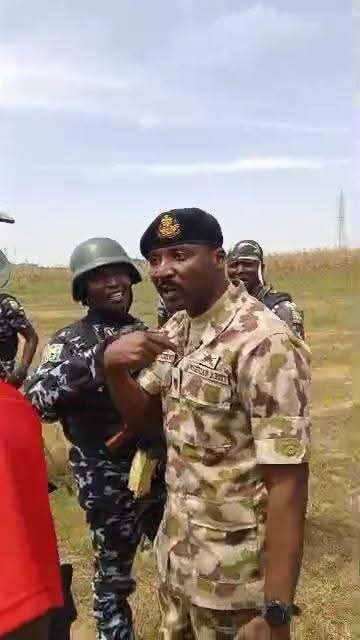
He also recounted testimonies from victims who claimed their attackers wore full military uniforms, further fueling suspicions of collusion.
Call for Government Accountability
Asked whether the Nigerian government is complicit, negligent, or overwhelmed, Ogebe answered, “All of the above.”
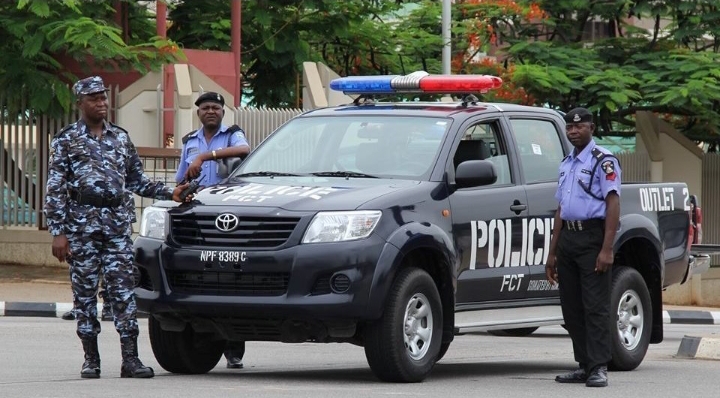
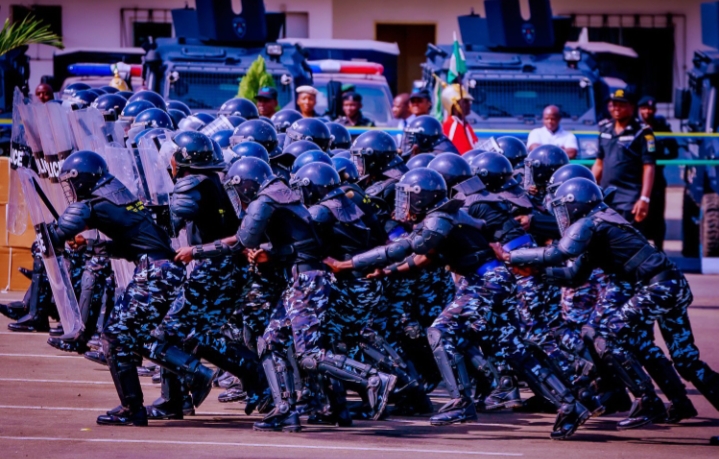
He criticized the federal leadership for selective security improvements that appear to benefit only regions linked to senior officials.
“Some say things have improved in Kaduna because the Chief of Army Staff is from there. But that’s not good enough,” he said. “Security must be nationwide.”
He further challenged President Bola Tinubu’s administration, saying, “If Tinubu, a Southern Muslim, cannot protect this country, that would be very unfortunate.”
Legal Options and International Advocacy
Domestically, Ogebe emphasized the right of Nigerians to self-defense, but lamented that those who defend themselves lawfully are often betrayed by the system.
“The case of Sunday Jackson is a clear example,” he noted, referencing a Nigerian man punished for exercising his right to defend his community.
Internationally, Ogebe and his team are pushing for Nigeria to be redesignated as a “Country of Particular Concern” by the United States due to religious persecution.
“We are working with the U.S. Congress and administration to hold Nigeria accountable,” he said.
Deborah Emmanuel: A Symbol of Impunity
Ogebe ended the interview by drawing attention to his T-shirt, which honored Deborah Emmanuel—the Christian college student murdered by classmates in Sokoto in 2022.
“Not by terrorists—but by her peers. They filmed it. They confessed. And nothing happened to them,” Ogebe said. “That’s the level of impunity we face in Nigeria.”
As he marks 25 years of humanitarian work since the 2000 Kaduna Sharia riots, Ogebe warns that Nigeria is hurtling toward a point of no return unless urgent, systemic reforms are undertaken.