By Lawrence Zongo
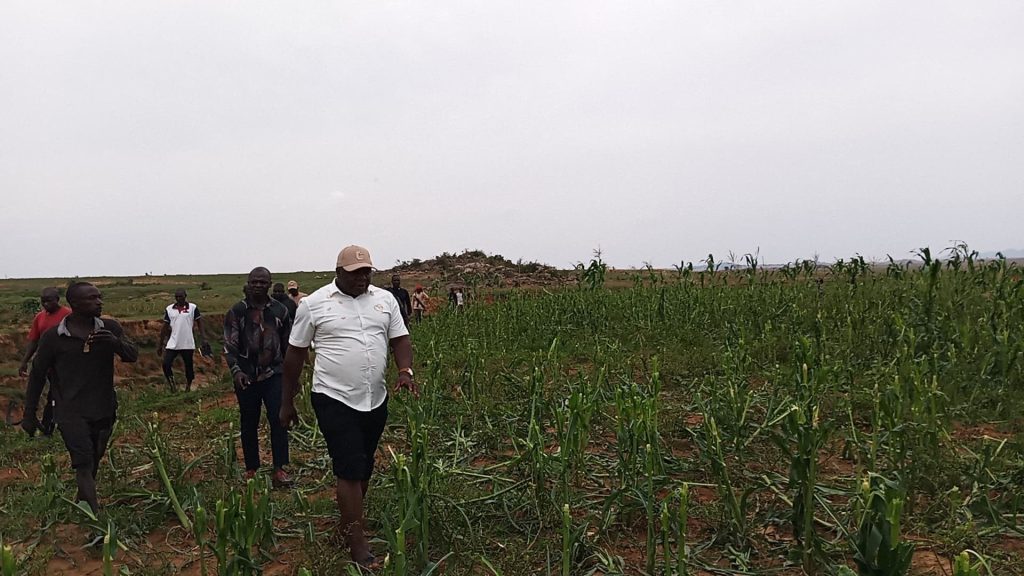
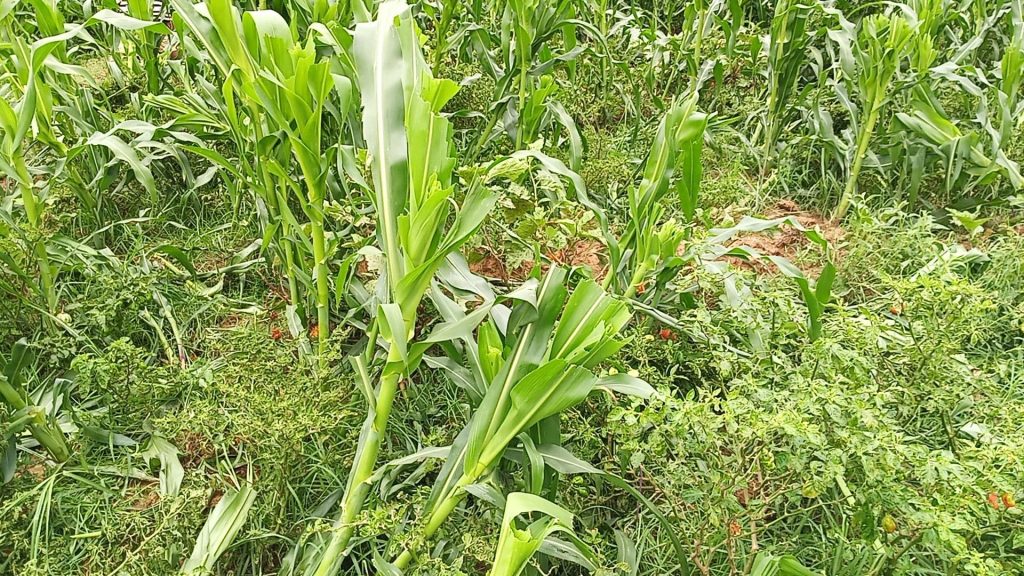
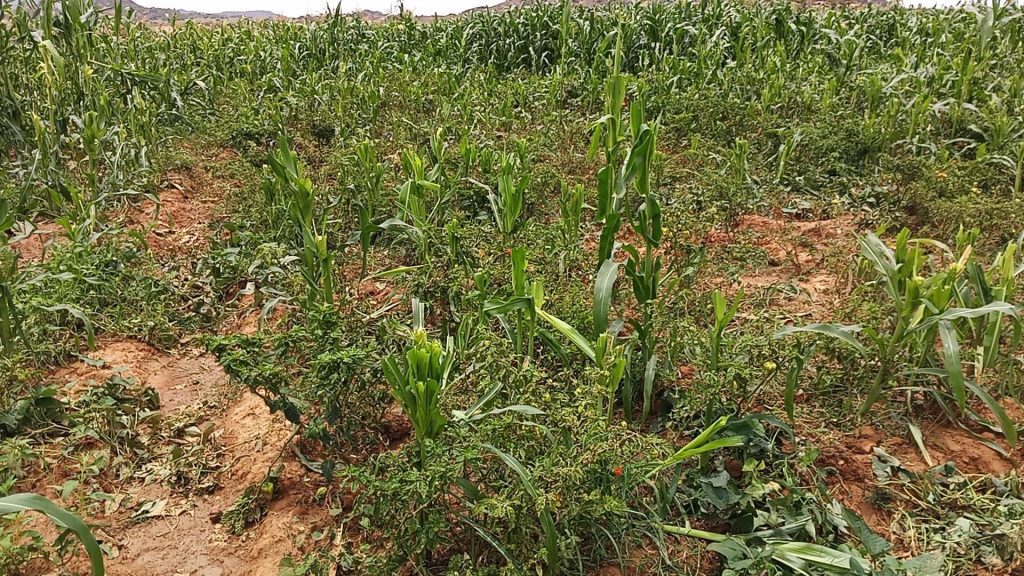
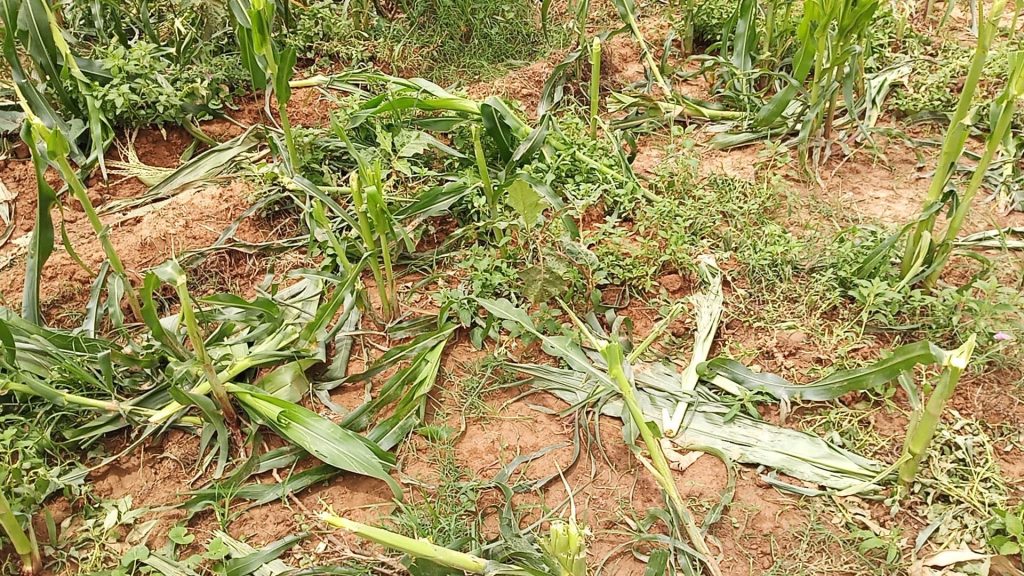
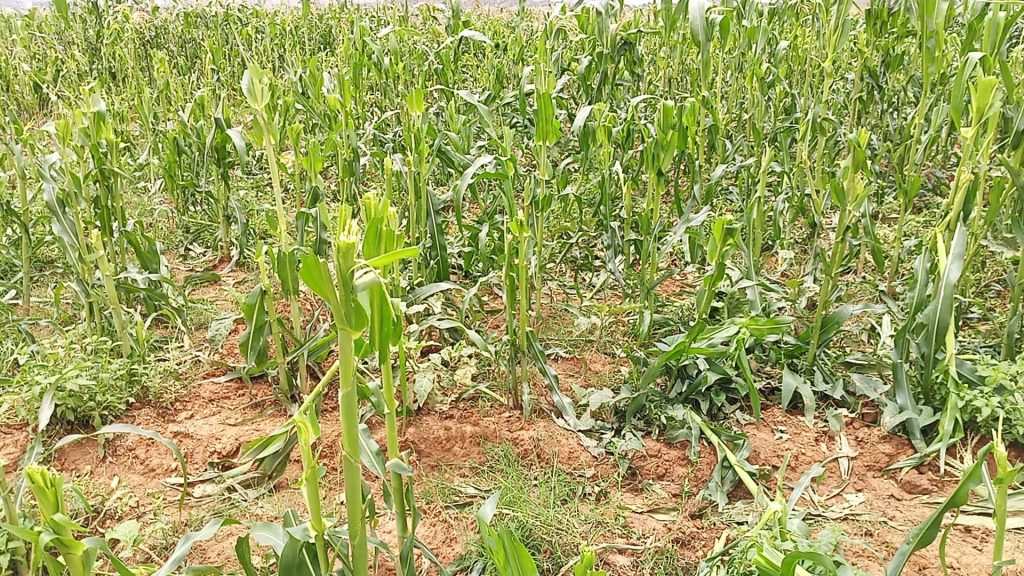
PLATEAU STATE,— The violence targeting Christian farming communities in central Nigeria intensified again this week after a deadly assault by Fulani ethnic militias that claimed the lives of 54 Irigwe Christians in Zikke Village, on April 14, another in Kpachudu community nestled in Bassa County, just west of Plateau State’s capital, Jos. The attack, which survivors describe as genocidal in nature, left farms in ruins and more than 300 hectares of crops destroyed — a devastating blow to the region’s agricultural lifeline.
For years, Christian farming communities in Nigeria’s Middle Belt, particularly the Irigwe people of Bassa County, have endured systematic violence by radicalized Fulani herders seeking to seize ancestral land. The latest attack marks an escalation in a brutal campaign that locals say amounts to ethnic cleansing.
“This Is Not a Clash — It Is Ethnic Cleansing”
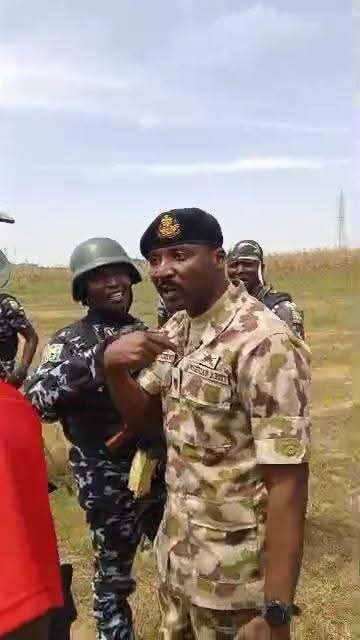
Dr. Joshua Riti, the local administrative head of Bassa County, led a government and security team, including Agro Rangers, the Nigerian Police, and the Nigerian Army, to assess Farm distribution in Kpachudu village. His findings were grim.
“Over 100 people have been killed in Bassa County last year, since my assumption in office as the Local Government chairman,” Riti told The Nigeria Times. “This is not a farmer-herder clash. It is targeted, systematic, and genocidal. What we are witnessing is land grabbing cloaked in bloodshed.”
Riti’s own village was among those attacked, and his appeals for stronger government intervention have so far gone unanswered. “The international community must act,” he said. “The state and federal governments have failed us. These Christian communities are under siege.”
Farms Destroyed, Livelihoods Lost
In Kpachudu Village, a community heavily reliant on agriculture, Fulani herders reportedly drove cattle into cultivated fields, destroying millions of naira’s worth of produce. Crops such as maize, hot pepper, cabbage, and potatoes — ready for harvest — were fed to roaming cattle under the protection of armed men.
“I lost over ten million naira,” said Ibrahim Danjuma, a local farmer. “They grazed their cattle through my entire farm. When we report to security, they say they will arrest the cows to pay damages, but it’s a death sentence. If they pay by day, they come back to kill us by night.”
Danjuma urged the government to step in and offer compensation and protection. “We need fertilizer, we need support. But most of all, we need security. Without it, we can’t farm. We can’t live.”
Elisha Thomas, another maize and pepper farmer, told TruthNigeria how he and others confronted Fulani herders at their farms just after 3:00 p.m. on May 14. “They fled, but their cattle were seized by the Agro Rangers. Still, no herder was arrested. This happens every season, and it keeps getting worse.”
Sunday Tanko, who grows cabbage and potatoes, said his farm had been destroyed repeatedly over the last week. “They pull out our potato plants and feed them to their cows. When cows die from poison or disease, it’s us, the farmers, who get arrested. The military sides with the herders.”
The Security Forces Accused of Bias
Accusations of military bias continue to mount. Local youth leader Ezekiel Bini, National Leader of the Irigwe Youth Movement, criticized the Nigerian Army for arresting community members after Fulani cattle died from alleged poisoned crops.
“The army detained our people for days without legal access,” Bini said. “But when our farms are destroyed, no one is held accountable. The Fulani walk free. Grazing must be banned. Let every Opengroup farm and graze in their own lands.”
An officer of the Nigeria Civil Defense Corps’ Agro Rangers declined to speak officially but confirmed the presence of security forces. “We are on top of the situation,” he said briefly.
The Fulani Militias and the Irigwe People: A Deepening Divide
The Irigwe are an indigenous, predominantly Christian ethnic group native to Bassa County in Plateau and Southern Kaduna. Known for their rich cultural heritage and agricultural economy, they have faced decades of marginalization and violence. The Fulani, on the other hand, are a large, predominantly Muslim ethnic group spread across West and Central Africa. While many Fulani are terror pastoralists, radicalized factions known as Fulani militias have been implicated in hundreds of violent attacks on Christian communities across Nigeria’s Middle Belt.
The Fulani ethnic militias often operate in loosely organized, well-armed cells that target Christian farming villages, particularly during the rainy farming season when destruction causes maximum hardship. Their attacks are frequently characterized by arson, mass killings, rape, and the razing of entire villages — often without a single arrest or prosecution.
In Kpachudu and other affected communities, survivors say the goal is clear: eliminate indigenous Christian communities and take over their land.
“They Burnt My House. They Want Our Land.”
Hon. John Araye, former Deputy Chairman of Bassa County, knows the pain all too well. His home in Kpachudu was burned down in an attack in August 2021.
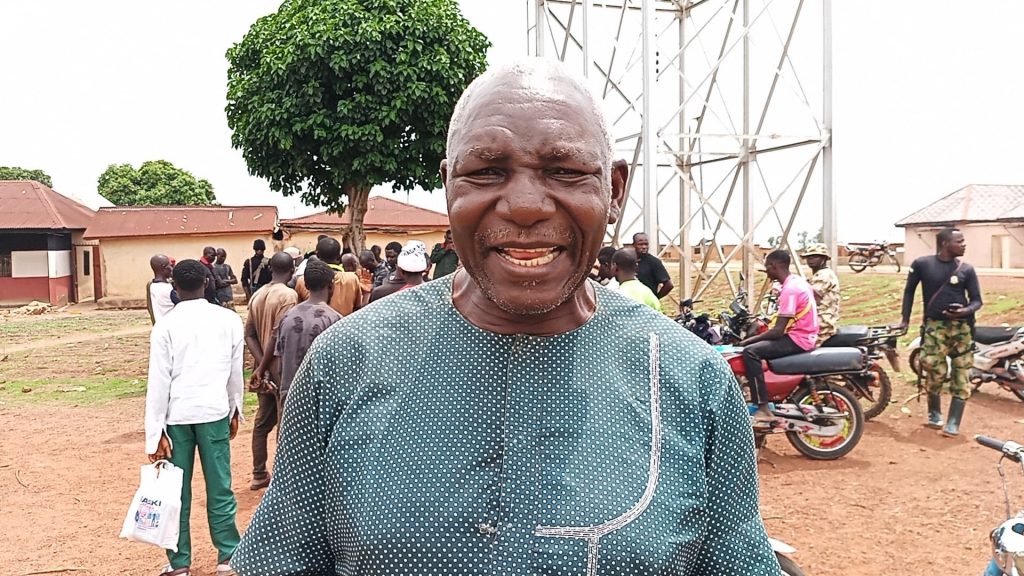
“My house, my farm — everything was destroyed. No compensation, no justice,” he said. “These attacks are intentional. They want our land. They graze at night, knowing it is illegal. Yet they do so with impunity. The government must ban open grazing, or there will be no future for our children here.”
A Plea for International Intervention
Local leaders and survivors are now pleading with the international community for urgent humanitarian and diplomatic intervention.
“These are not isolated incidents. This is organized violence,” Riti concluded. “If this continues unchecked, the Christian identity of Bassa County and the Irigwe homeland may be erased.”
As Fulani ethnic militias escalate their attacks and government response remains insufficient, Christian communities in central Nigeria face a dire choice: abandon their ancestral lands or risk extermination. The international community must recognize these atrocities for what they are — a slow-burning genocide — and take action to protect the innocent, uphold human rights, and prevent further bloodshed.