By Mashat Palang Paul, The Nigeria Times
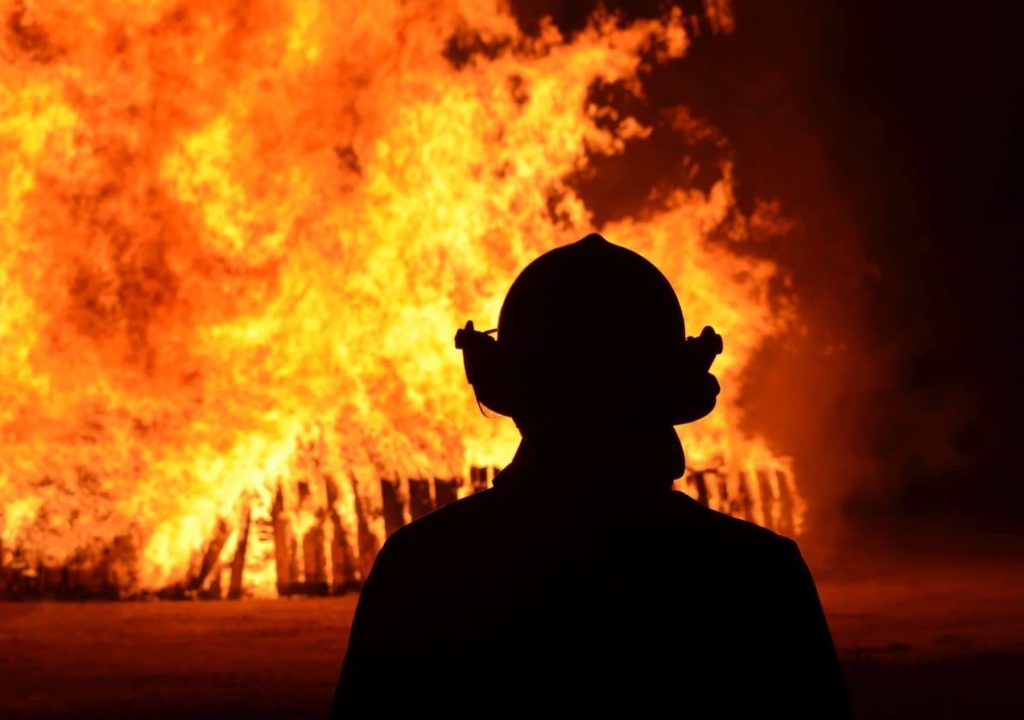
California, renowned for its breathtaking sunsets and diverse landscapes, is once again facing the challenge of wildfires. Recent events have sparked significant efforts across the state as communities come together to combat these natural disasters and support those affected.
Spanning from the outskirts of Los Angeles to the serene rural areas of Northern California, wildfires have impacted over 250,000 acres, with neighborhoods affected and thousands of structures affected. The skies above have taken on ominous hues, reminding everyone of the pressing threat.
Among the most notable incidents is the Palisades Fire, which has had a severe impact on Los Angeles County. Firefighters have been tirelessly working day and night to contain these wildfires, prioritizing the safety of residents and preserving as much land as possible. The Dixie Fire in Northern California has made history as the largest wildfire the state has seen, showcasing the scale of the challenge we face.
The human impact of these wildfires has been significant, with many families being displaced from their homes. However, the strength and resilience of the California community shine through. Individuals and organizations are stepping up, providing support and resources to those in need.
Scientifically, the situation highlights an important conversation about climate change. Experts emphasize that the increase in wildfire frequency and intensity is closely tied to our changing climate, underlining the need for sustainable land management and proactive measures to reduce greenhouse gas emissions. Now is the time for comprehensive climate action and community collaboration to build a safer future.
Economically, the aftermath of the wildfires could be daunting, with damages anticipated to exceed $10 billion. Nonetheless, this presents an opportunity for recovery and growth. From rebuilding businesses to revitalizing agriculture and tourism, there is a collective movement towards a stronger economic foundation.
Environmentally, the wildfires underscore the necessity of leading practices in forest management and conservation. By learning from these events, communities can implement strategies to better protect wildlife habitats and combat climate challenges.
State and federal agencies have mobilized resources, enhancing firefighting capabilities through technology such as drones and satellite imaging. Governor Gavin Newsom’s declaration of a state of emergency highlights the need for cooperative efforts and increased federal support. Community organizations and volunteers are playing a crucial role in providing shelter, food, and essential supplies to those in crisis.
Amidst these challenges, inspiring stories of resilience and solidarity are emerging. Neighbors are uniting to support one another, demonstrating the strength of community ties. Nonprofit organizations and global supporters are raising funds to assist recovery efforts, showcasing the spirit of collective action.
As California navigates through this wildfire crisis, the determination of its people is evident. The path to recovery may be lengthy, but the dedication to rebuilding and improving will shine through. With a renewed focus on protecting its landscapes and communities, California will rise from these challenges, emerging even more resilient and committed to a sustainable future.