By Palang Paul
The sun had barely begun its descent over the hills of Kigam of Bassa county when tragedy struck at exactly 4:00 pm on Friday, the peaceful rhythm of rural life was shattered by the crack of gunfire. Daniel Bawa, a 45-year-old farmer and father of five, was brutally killed while tending to his crops on his ancestral farmland. His assailants, suspected Fulani militias, vanished as quickly as they came—leaving behind silence, fear, and another grave to dig.
Just hours earlier, and miles away in DTV Zanwra of Bassa county, another horror unfolded. At around 9:00 am, two brothers—Mworina Barry and Iliya Zami Barry—were viciously attacked in their home by a Fulani herder wielding a machete. The reasons remain unclear, but the pattern is all too familiar. Bleeding and in shock, the brothers were rushed to a medical facility whose location remains undisclosed for fear of further attacks.
These two separate but connected tragedies are not isolated events. They are part of an ever-growing tapestry of violence engulfing Plateau State—an unrelenting wave of bloodshed that has transformed vibrant farming communities into fields of mourning. What was once known as the “Home of Peace and Tourism” is slowly becoming Nigeria’s silent battlefield.
For over two decades, Plateau State has been the epicenter of ethno-religious and land-based conflicts between indigenous farming communities and Fulani herders. But in recent years, the violence has taken on a more militarized and coordinated nature. Entire villages have been sacked. Thousands have been displaced. Uncounted numbers of children are growing up with the sound of gunfire in place of lullabies.
The killings in Kigam and Zanwra of Bassa county echo similar attacks in Bokkos, Riyom, Mangu, and Barkin Ladi.
From January till date over 200 people were reported dead following a series of coordinated night raids across communities in Bassa,Bokkos and Mangu. Whole families were slaughtered. Homes and churches were razed. The attackers came in waves, well-armed and seemingly uninhibited by law enforcement.
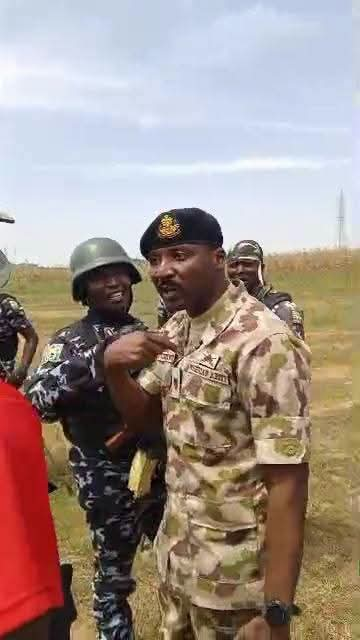
Residents and local leaders alike have continuously accused the government and security agencies of turning a blind eye—or worse, colluding with the aggressors. In some affected communities, survivors claim that distress calls to security forces either go unanswered or are met with promises that come too late.
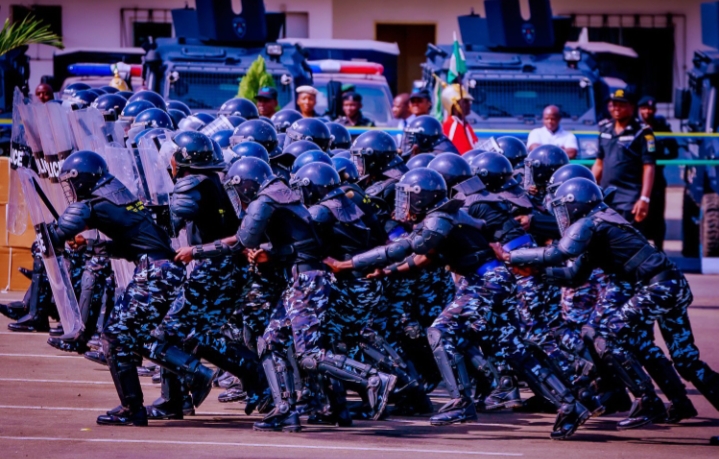
Despite the heavy military presence in Plateau, attackers often operate with eerie precision, arriving in convoys, executing their mission, and retreating without a trace.
“When we call for help, no one comes. But when we try to defend ourselves, they arrest us,” says a youth leader from Bokkos who asked not to be named. “What do they want us to do—wait for our turn to die?”
Beyond the body counts, the humanitarian toll is staggering. Thousands have fled their homes, taking shelter in overcrowded camps with little access to food, clean water, or medical care. Schools have shut down. Farmlands lie fallow, abandoned for fear of ambush. The psychological scars are deep, and the future remains uncertain.
With each attack, the dream of peace on the Plateau fades a little more. And as communities bury their dead in shallow graves, the silence of the federal government grows louder.
Nigeria cannot afford to normalize the daily bloodletting in Plateau State. The conflict is not just a “local issue” or an “ethnic clash.” It is a national emergency—one that speaks to the fragility of the Nigerian state, the failure of justice, and the betrayal of its most vulnerable citizens.
The killings on the Plateau must not be forgotten. Until the Nigerian government wakes up to the horror unfolding in the Middle Belt, more graves will be dug, more homes will burn, and more communities will fade into memory.
The world must pay attention. And Nigeria must act.