By Palang Paul
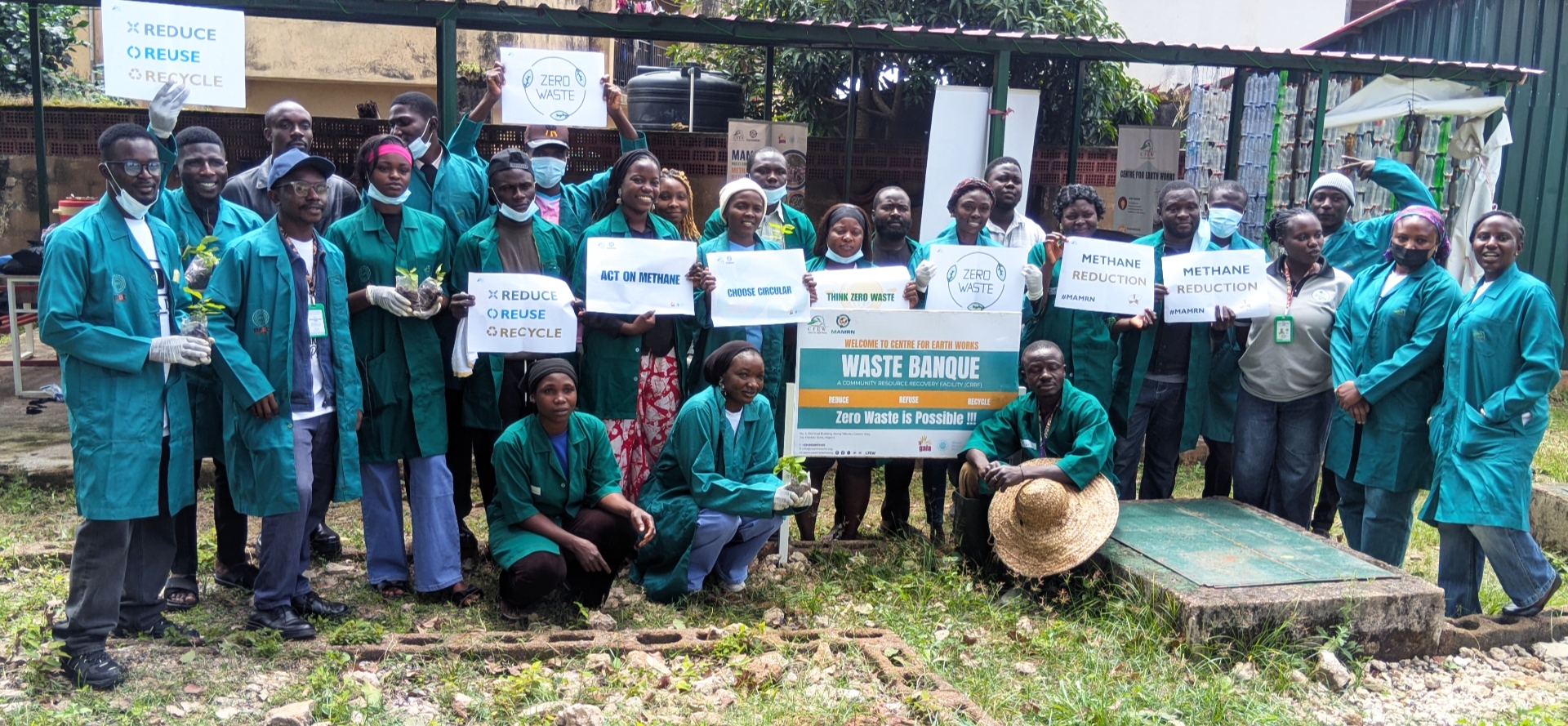
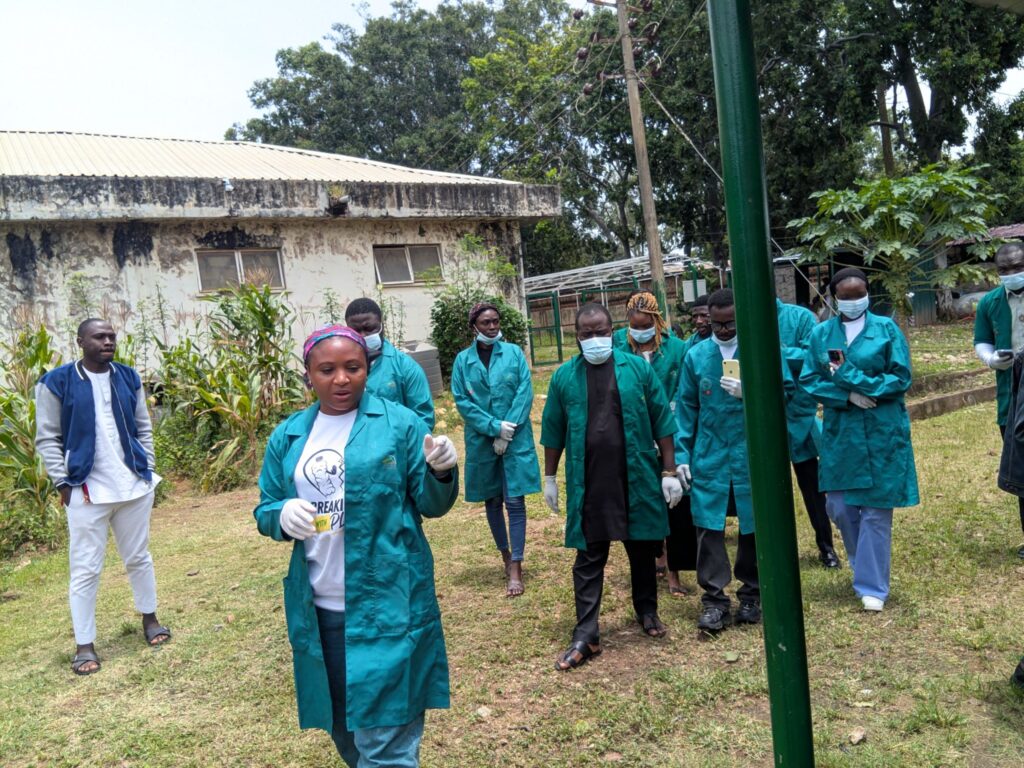
The Centre for Earth Works (CFEW) has concluded its Zero Waste Entrepreneurship Fellowship (ZWEF) with an in-person tour of its Material Recovery Facility.
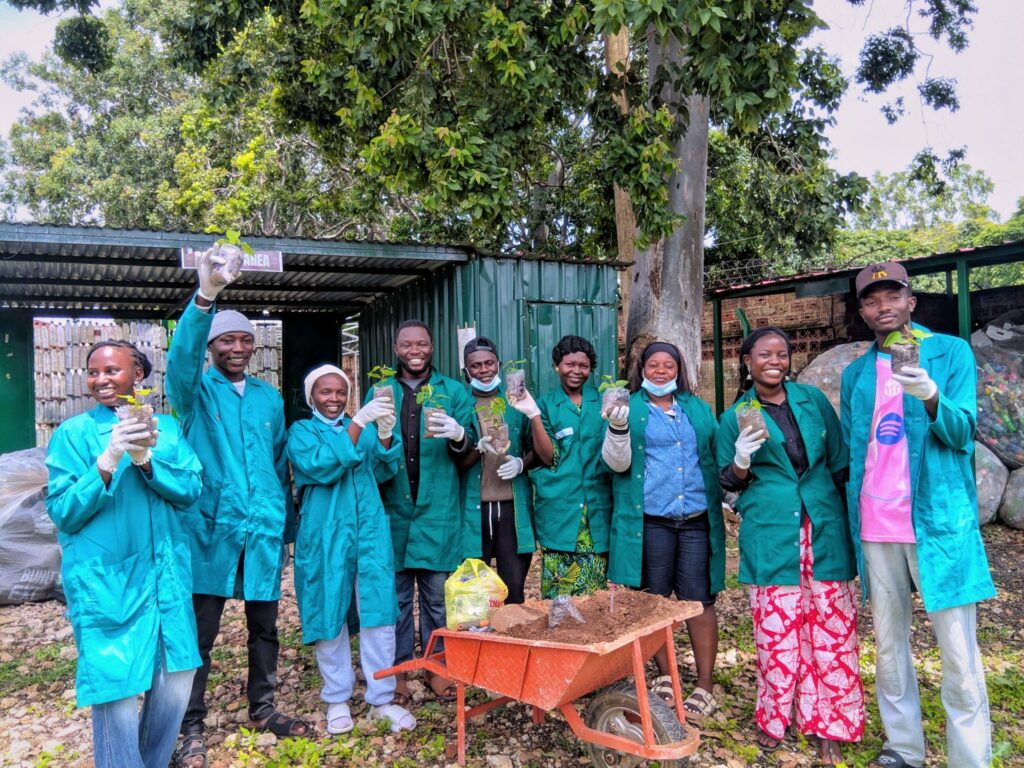
The event, held on Wednesday, September 9, 2026, at the Material Recovery Facility Hall, Old Nitel Building, Old Airport Road, Jos the Plateau State Capital, brought together fellows and winners of the fellowship’s mini-grants and Plastic Free July initiative.
Speaking at the event, CFEW Executive Director, Benson Dotun Fasanya, said the organisation was committed to empowering communities and young people to develop practical solutions to environmental challenges.
Dotun said the ZWEF was implemented under the Multi-Solving Action for Methane Reduction in Nigeria (MAMRN) initiative, with support from the Global Alliance for Incinerator Alternatives and the Global Methane Hub.
He explained that the fellowship was designed to encourage young people to become catalysts for reducing methane emissions through improved organic waste management across sectors, including markets and agriculture.
According to him, methane is a potent greenhouse gas, while the effects of the climate crisis are increasingly evident through flooding, crop failures and other environmental challenges.
He urged young people to recognise that small actions could contribute to addressing climate change, stressing the importance of practical community-based solutions.
The MAMRN Project Officer, Osarumwense Ogbeifun, said the project had focused on reducing methane emissions through various organic waste management approaches, including composting, black soldier fly production and bio-gas.
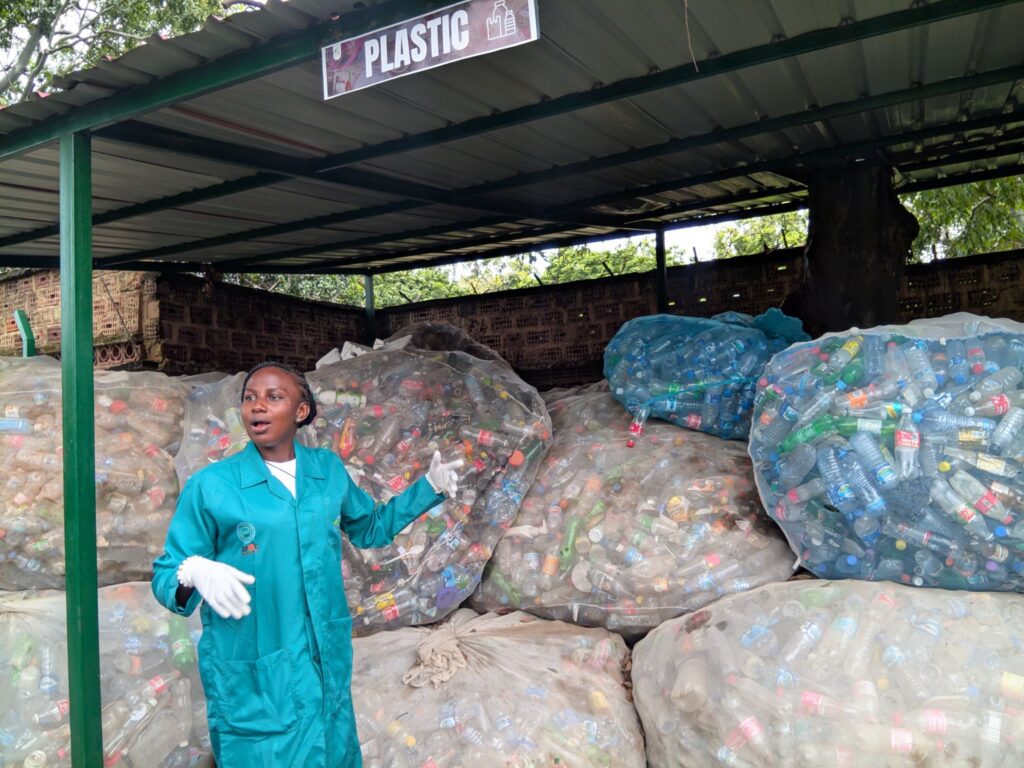
Ogbeifun said the programme also focused on awareness creation, entrepreneurship, climate justice, inclusion and different waste management models.
She disclosed that the fellowship initially started with 50 fellows but concluded with 27, describing the programme as challenging but rewarding.
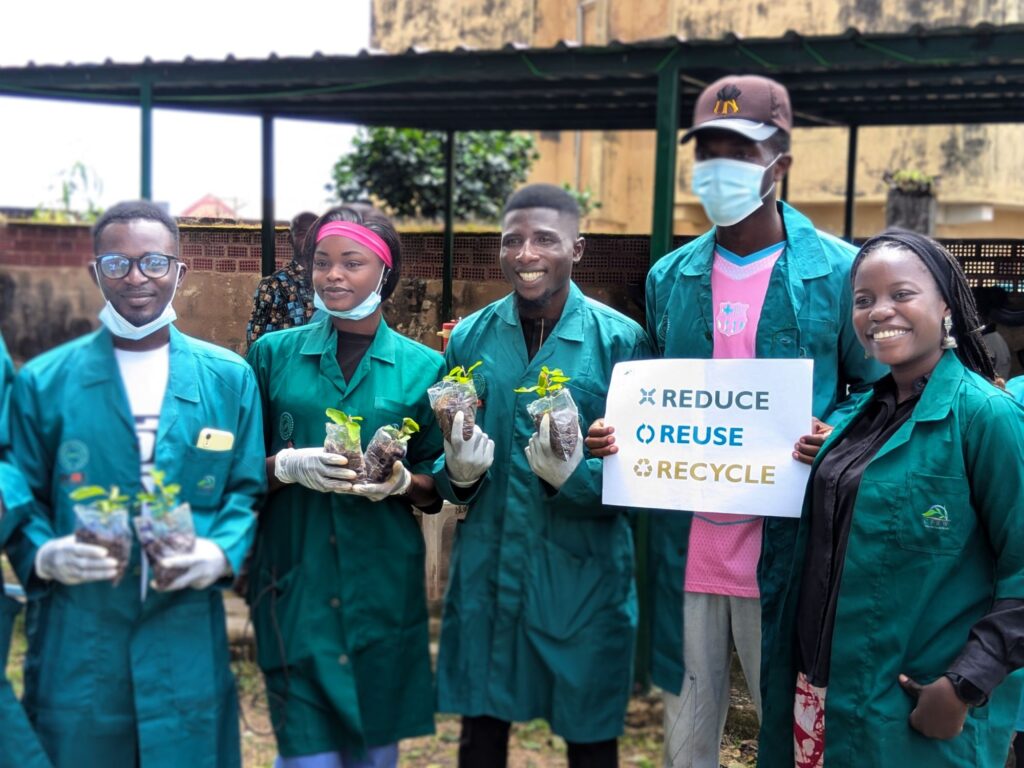
She said the fellowship also provided training on business development and marketing to help participants develop viable enterprises from waste while creating value for their communities.
Ogbeifun encouraged the fellows to share the knowledge acquired with their communities and develop innovative businesses capable of addressing waste management challenges and creating livelihoods.
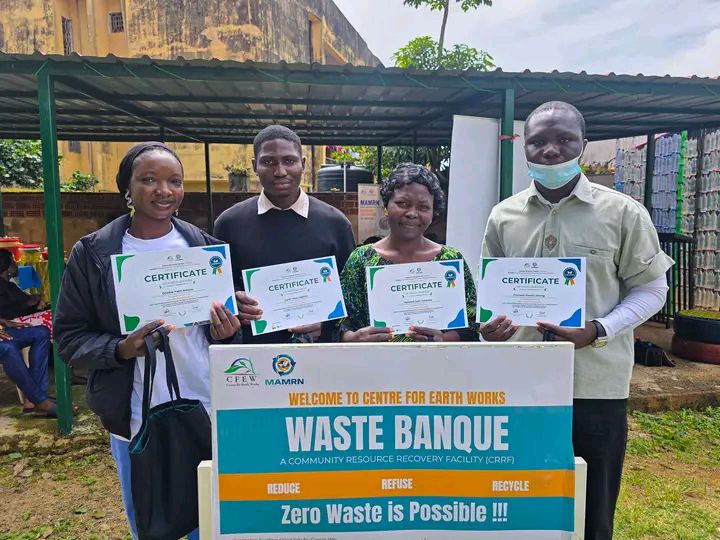
One of the fellows and a winner of the fellowship’s mini-grants among three other winners, Delshik Faith Adams, said the programme changed her perception of waste and its potential economic value.
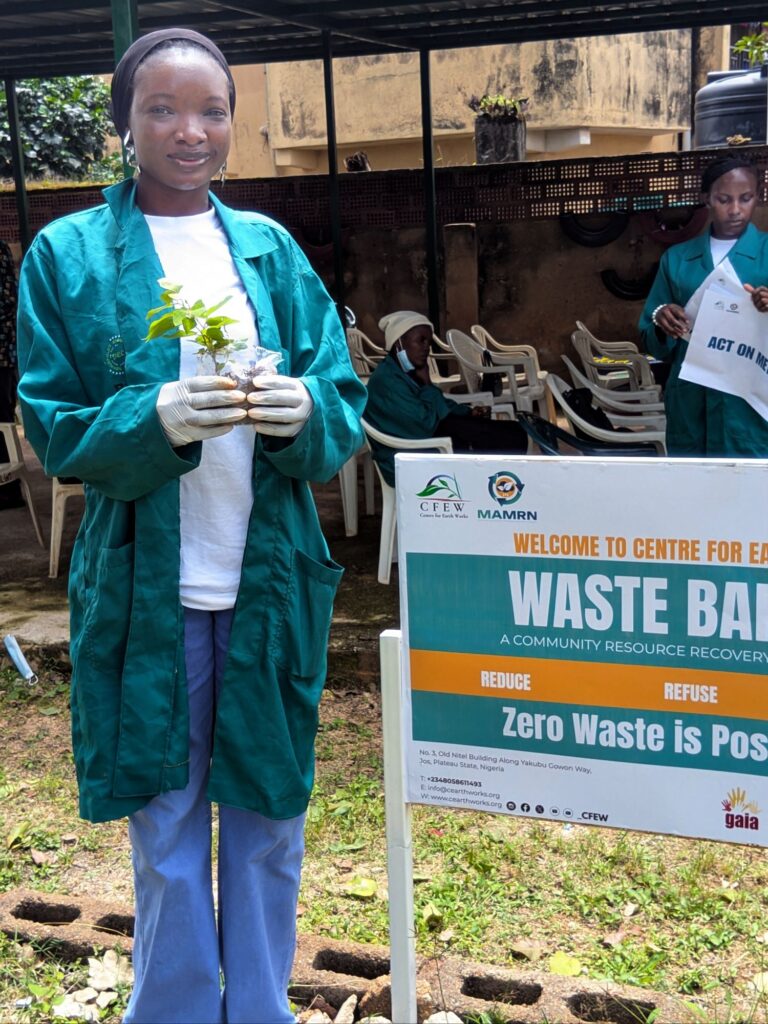
Adams said she developed an idea to produce briquettes from charcoal dust and paper, which could be used as an alternative fuel for cooking.
She added that she had begun educating people in her household and planned to extend the awareness campaign to her wider community, encouraging residents to properly sort and recycle waste rather than dispose of it indiscriminately.
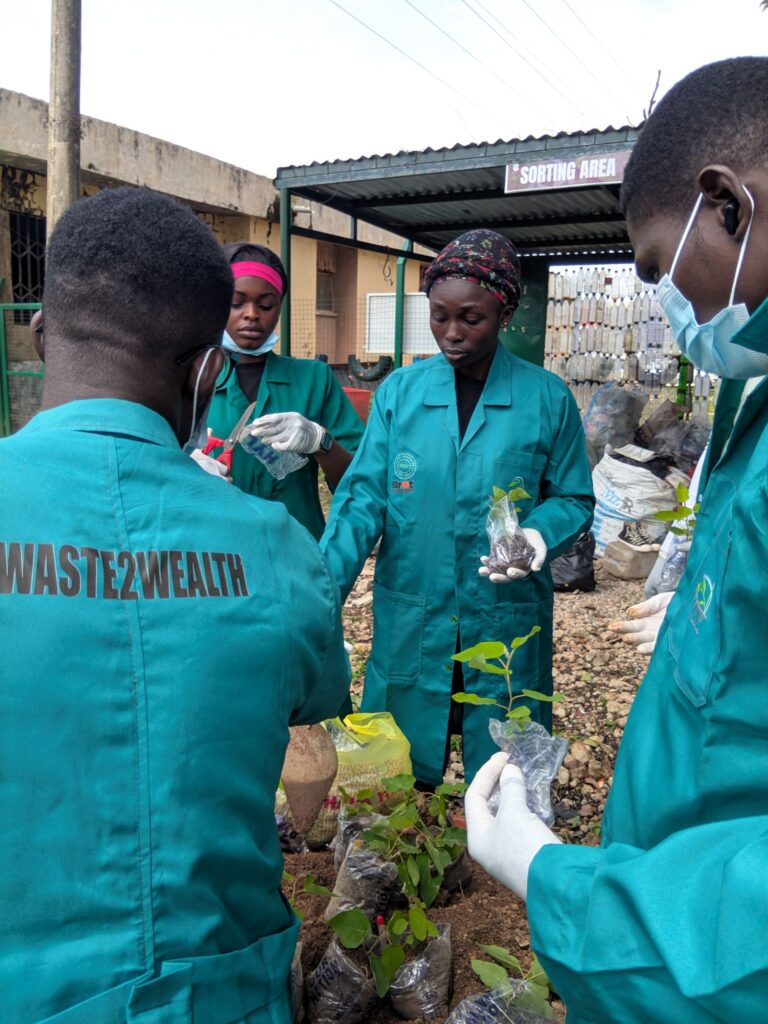
She said the fellowship had strengthened her understanding of the connection between improper waste disposal, environmental degradation and climate change.
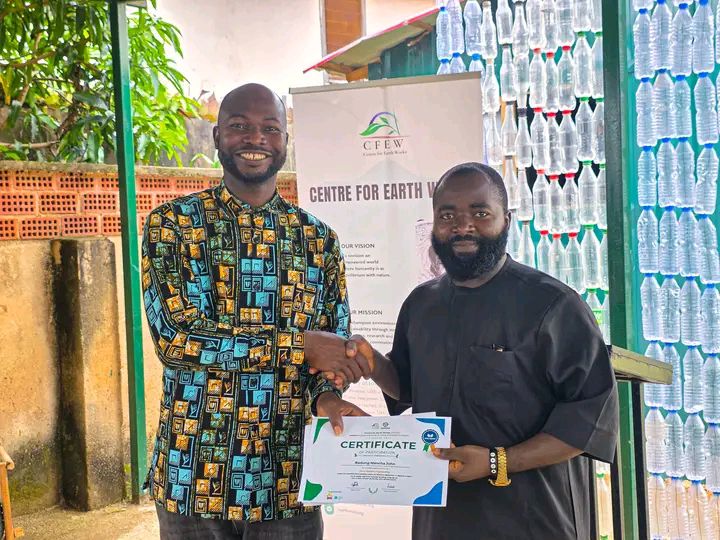
Certificates were also presented to the successful fellows at the event in recognition of their participation and completion of the Zero Waste Entrepreneurship Fellowship. The presentation marked the conclusion of the fellowship and celebrated the fellows’ commitment to promoting sustainable waste management, entrepreneurship and community-based climate action.
The organisers said the fellowship represents part of their broader effort to promote zero-waste practices, support young entrepreneurs and contribute to reducing methane emissions through sustainable organic waste management.


Post Comment