By Luka Binniyat
ABUJA – Nigeria and the United Nations have intensified collaboration to protect human rights, support victims, and accelerate the resolution of longstanding paternity claims linked to Nigerian peacekeeping operations in Liberia.
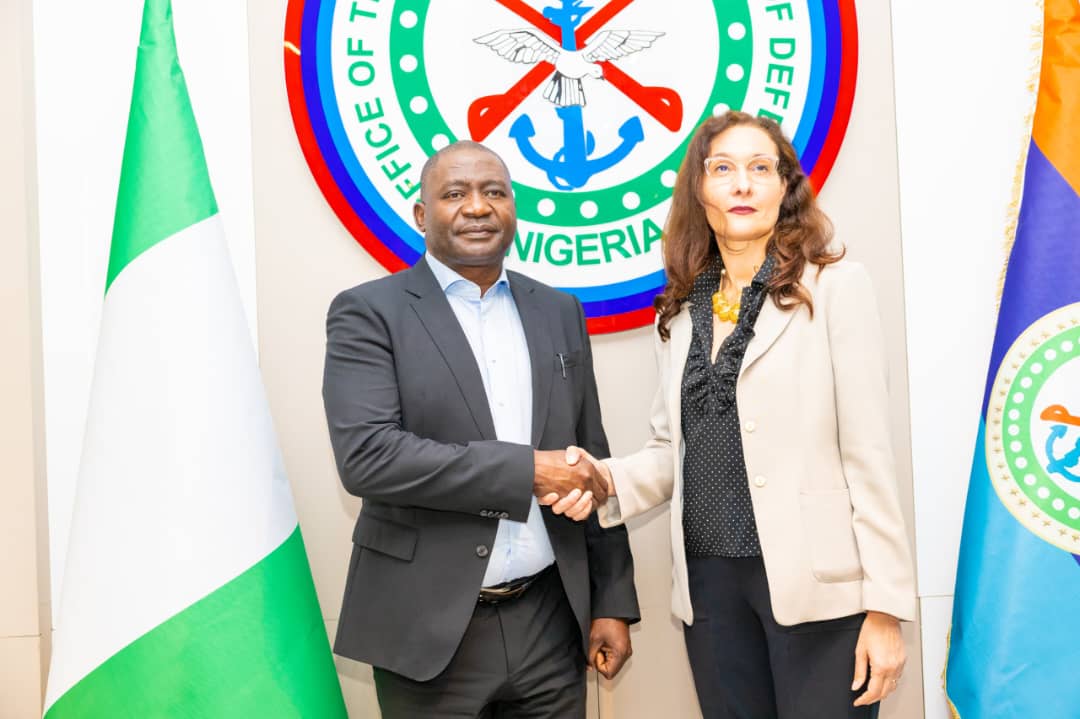
The renewed commitment emerged on Wednesday during a working visit by the United Nations Assistant Secretary-General and Victims’ Rights Advocate, Najla Nassif Palma, to Nigeria’s Ministry of Defence headquarters in Abuja.
During the engagement, the Minister of Defence, Christopher Gwabin Musa, reaffirmed Nigeria’s commitment to upholding international humanitarian law and strengthening compliance with globally recognized human rights standards across military operations.
According to a statement issued by the Minister’s Special Assistant on Media, Leah Katung-Babatunde, the Defence Minister highlighted ongoing government initiatives aimed at addressing challenges arising from previous international peacekeeping missions, particularly unresolved paternity claims connected to Nigeria’s deployment in Liberia.
General Musa pledged Nigeria’s full cooperation with the United Nations and announced plans to maintain an open and transparent communication framework designed to speed up the resolution process.
He emphasized that the mechanism will help bring closure to long-standing cases while ensuring that affected individuals receive attention and support.
The paternity claims involve children reportedly fathered during past peacekeeping deployments in Liberia, an issue that has remained unresolved for many years. By strengthening cooperation, both parties aim to provide clarity, accountability, and lasting solutions for those affected.
Speaking during the meeting, Ms. Palma disclosed that the United Nations is currently reviewing 42 legacy cases and called for continued collaboration from the Nigerian government to help secure justice and closure for the victims.
She noted that some individuals connected to the cases have expressed interest in obtaining Nigerian citizenship, underscoring the importance of coordinated action between Nigeria and the United Nations.
Ms. Palma further emphasized the need to strengthen accountability measures, expand victim support mechanisms, and sustain international cooperation to address the concerns of affected persons while improving peacekeeping standards globally.
To reinforce these efforts, Nigeria and the United Nations agreed to deepen their partnership through specialized training programmes, joint workshops, and capacity-building initiatives focused on integrating human rights principles into the operational framework of the Armed Forces of Nigeria.
The collaboration marks a significant step toward resolving legacy issues from past peacekeeping missions while strengthening human rights protection, supporting victims, and enhancing accountability within international peacekeeping operations.
As both parties move forward, the partnership is expected to promote greater trust, deliver meaningful outcomes for affected families, and reinforce Nigeria’s longstanding commitment to global peacekeeping, human dignity, and justice.


Post Comment