By Palang Paul
At least 22 Christians have been killed after Fulani ethnic militias opened fire on a sleeping community in Bokkos Local Government Area of Plateau State, in what survivors and community leaders are describing as yet another in a long and unbroken chain of massacres targeting predominantly Christian settlements across Nigeria’s troubled Middle Belt Region.
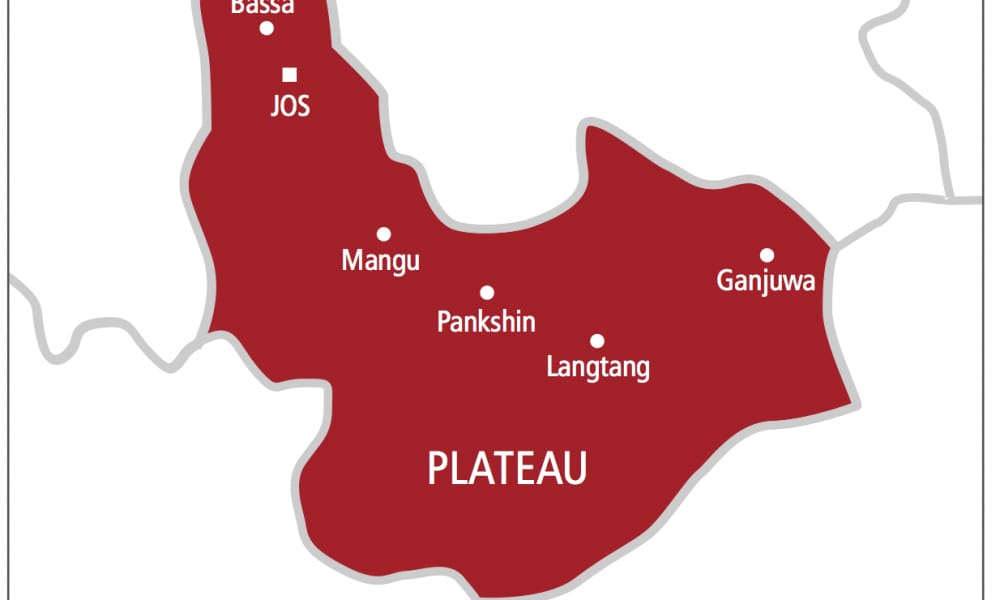
The attack struck Kawel community in Mushere North District approximately 77 kilometres south of Jos, the Plateau State capital on late Sunday night of June 22nd 2026. Residents said the Assailants moved through the village while families slept, shooting into homes and leaving behind a scene of blood, grief, and ruin that community sources say has plunged the area into deep mourning.
“A youth leader called around 12 a.m. and reported that gunmen attacked the community and shot several persons. So far, 19 deaths have been confirmed,” said Mr. Farmasum Fuddang Luka, a community leader, who added that the casualty figure climbed further as more victims were found.
Fuddang said he immediately contacted security personnel after receiving the distress call. “I contacted security personnel, and they confirmed they had received information about the incident and were moving to the affected community,” he said.
A Community Already in Mourning
The massacre lands on a community still reeling from a separate killing less than a week earlier — the ambush murder of HRH Saf Samuel Alaket, District Head of Gwande, who was reportedly shot along the Sha District axis near Daffo while returning from a traditional council meeting by the same Fulani Ethnic Militias.
The back-to-back tragedies have amplified what many residents describe as a creeping sense of abandonment — that the state and federal authorities have watched this cycle of killing repeat itself across seasons and years without delivering the protection that rural communities in Bokkos demand and deserve.
Official Condemnation, Familiar Silence
The Plateau State Government issued a statement condemning the killings, directed security agencies to pursue those responsible, and said Governor Caleb Mutfwang had ordered emergency relief for affected families.
But for many residents, victims of the attack and community leaders, the statement carried the hollow weight of repetition.
Critics argue that official condemnations have become reflex — issued promptly, filed quickly, and followed by no meaningful change in the security architecture protecting vulnerable rural communities. Military deployments and government assurances have accumulated for years. The killings have not stopped.
For the families of Kawel, burying their dead is not a policy debate.
Police Confirm Deaths, Describe Attackers as “Armed Hoodlums”
The Plateau State Police Command confirmed the attack in an official press release signed by its Public Relations Officer, SP Alfred Alabo, on Monday.
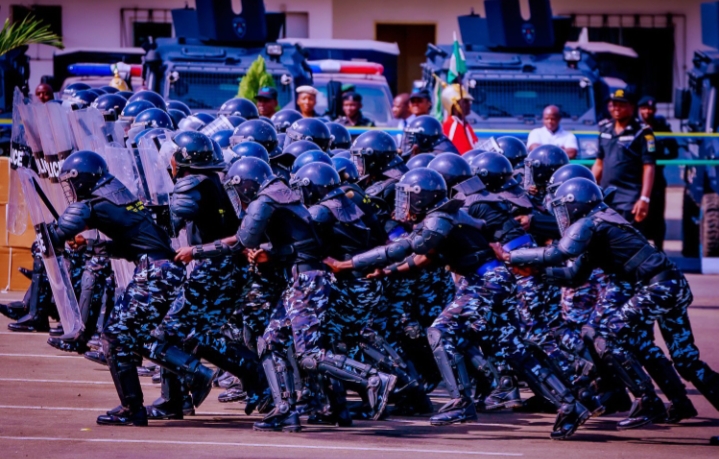
According to the Command, Commissioner of Police CP Bassey Ewah immediately directed the Divisional Police Officer in Bokkos to mobilise personnel to the scene upon receiving information about the incident. Police personnel, working alongside operatives of the Command’s Violent Crime Response Unit and other security agencies, engaged the attackers in what the release described as a fierce gun battle, forcing them to retreat.
The Command confirmed that 18 persons were found dead at the scene, with three others rushed to hospital. Two of the hospitalised victims subsequently died, bringing the official police death toll to 20.
CP Ewah also announced the deployment of additional Tactical Teams and Police Mobile Force personnel to the area, directing senior officers — including the Deputy Commissioner of Police Operations and the Area Commander in Pankshin — to relocate to Kawel to coordinate an on-ground security operation and lead an intensive manhunt for the perpetrators.
However, in a detail that drew immediate scrutiny, the Command described the attackers only as “a group of armed hoodlums” a language that conspicuously strips the assailants of any ethnic or organisational identity.
Community sources, residents, and local leaders directly contradict that characterisation, identifying the attackers as Fulani ethnic militias — the same description attached to dozens of similar attacks on predominantly Christian farming communities across Plateau, Benue, and Southern Kaduna in recent years.
The “armed hoodlums” framing is not new. Security and government officials in Nigeria have repeatedly used identity-neutral language when describing perpetrators of attacks in the Middle Belt — a pattern that critics, human rights groups, and Christian leaders argue deliberately obscures the ethnic and religious targeting that underlies the violence and shields perpetrators from specific accountability.
International Pressure Mounts
The attack arrives amid sharpening international scrutiny of violence against Christian communities in Nigeria. Following a congressional fact-finding visit to the country, U.S. Congressman Riley Moore publicly warned of what he called escalating persecution of Christians across parts of Nigeria’s Middle Belt, accusing previous U.S. administrations of failing to adequately recognise the religious dimensions of the crisis.
Moore said the delegation met survivors, displaced families, and religious leaders who described years of killings, church destruction, and forced displacement. He also criticised the removal of Nigeria from the United States list of Countries of Particular Concern for religious freedom violations during Joe Biden administration, arguing the decision significantly underestimated the severity of the crisis.
A Contested but Deadly Pattern
Across Plateau, Benue, and Southern Kaduna the arc of states that defines Nigeria’s Middle Belt — recurring attacks on farming communities have fed a long and unresolved debate about whether the violence is primarily criminal, communal, resource-driven, or religious in character but the true nature is nothing but Genocide particularly on Christians because of their faith in Jesus Christ.
Government officials have largely framed it as a complex security and land-use conflict. Christian leaders and international advocacy groups have increasingly described it as a systematic campaign of violence against Christian populations which is nothing but the truth.
Whatever the framing, the body counts are not contested.
For the survivors of Kawel, the morning after a massacre is not an occasion for frameworks. It is an occasion for identifying the dead, treating the wounded, and waiting once again to see whether the authorities who govern them will finally move beyond words.
Palang Paul is a journalist covering security and conflict stories across Nigeria’s Middle Belt and Beyond for The Nigeria Times.


Post Comment