By Palang Paul
In a room at Diamond Hall, Crispan Event and Suite Hotel, the conversation was not about abstract policy papers from Abuja. It was about what Nigeria’s new tax law means for traders, workers, civil society groups, and families trying to make sense of how the rules may affect their daily lives in Plateau State.
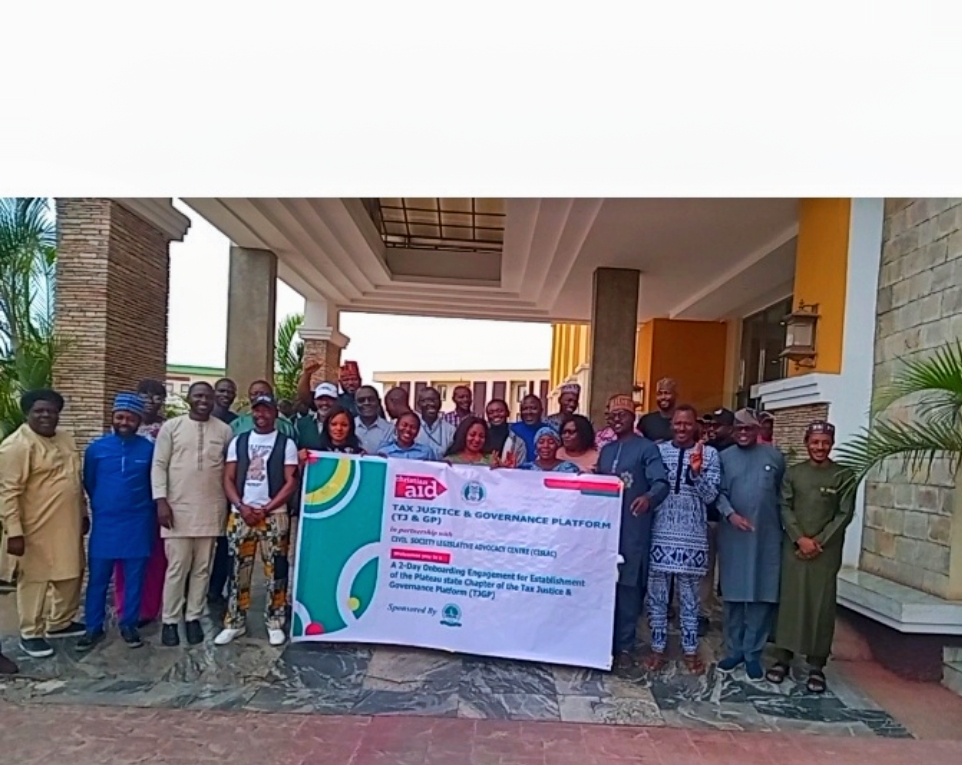
The Civil Society Legislative Advocacy Centre (CISLAC), working with the Tax Justice and Governance Platform (TJ&GP), introduce the Plateau State chapter of the Tax Justice and Governance Platform during a two-day onboarding session held on March 24, 2026.
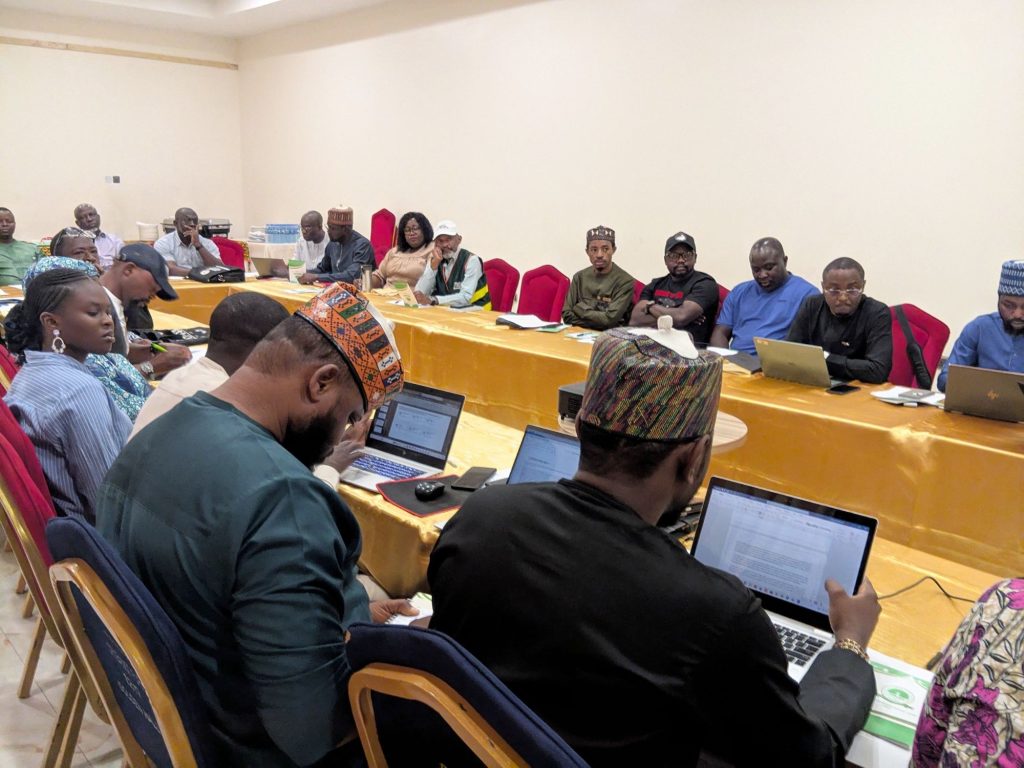
The gathering brought together civil society organisations, community leaders and other stakeholders for a briefing on the new tax regime and the role of citizens in tax governance.
The Federal Government says the tax reforms, signed into law in June 2025 and set for phased implementation, are intended to improve revenue performance, reduce dependence on oil, and simplify compliance. In the 2026 budget speech, President Bola Ahmed Tinubu said the new National Tax Acts are expected to improve revenue while driving “transparency, efficiency, fairness, and long-term value” in the fiscal system. The government has also said tax policy improvements have helped support broader economic performance, with officials pointing to GDP growth of 3.4 percent in 2024 and describing domestic revenue mobilisation as central to the administration’s economic strategy.
Speaking at the event, Ayo Omowu of CISLAC said the Plateau launch was part of a wider effort to help citizens understand the new law and what it means for tax payment and public accountability. He said the organisation wanted people to know not only how the law works, but also how tax revenue is supposed to serve the public.
Chinedu Bassey, a national member of the Tax Justice and Governance Platform, who said the new branch if establish would help push tax equity and create room for citizens to share feedback with the government on taxation and service delivery.
Mr. Ugochukwu Munachi of Christian Aid for West and Central Africa said the engagement was designed to create space for dialogue, noting that tax reforms are often misunderstood and that citizens need opportunities to ask questions and receive clear explanations. Asaolu Dolapo Dorcas, Program Gender Officer at CISLAC and project lead for the Christian Aid-funded intervention, said Plateau was selected because CISLAC and its partners have maintained work in the state and saw value in building a stronger local platform.
Organisers said the Plateau chapter when establish will continue to serve as a space for public education, coordination,n and advocacy around fair taxation, with follow-up engagements planned to keep the conversation going across the state.





Post Comment