By faith Chondol
The Nigerian Senate has amended Section 60 of the Electoral Act to retain electronic transmission of election results while permitting the use of manual result sheets where electronic transmission fails due to network or communication challenges.
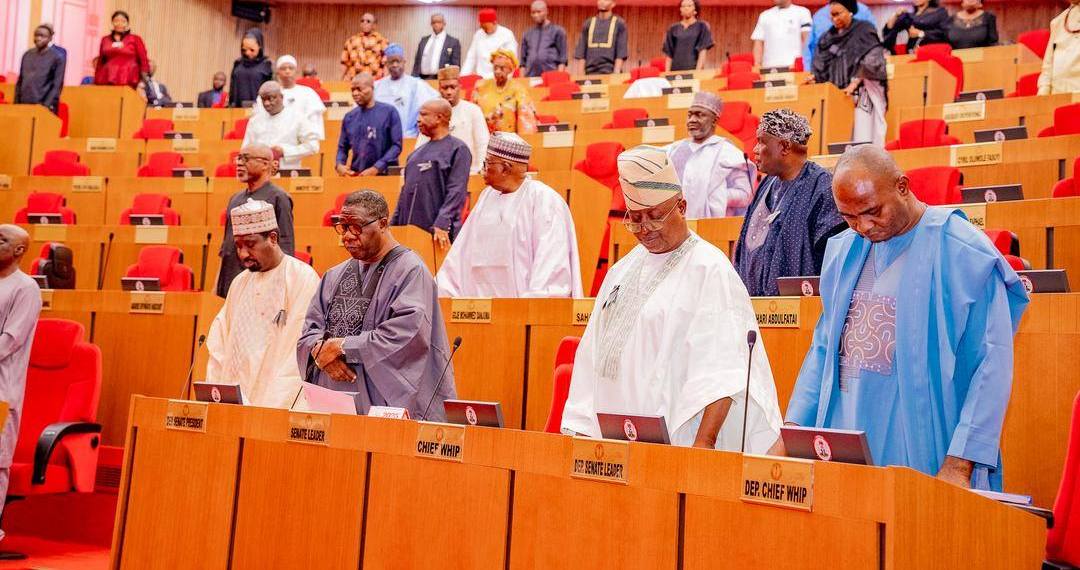
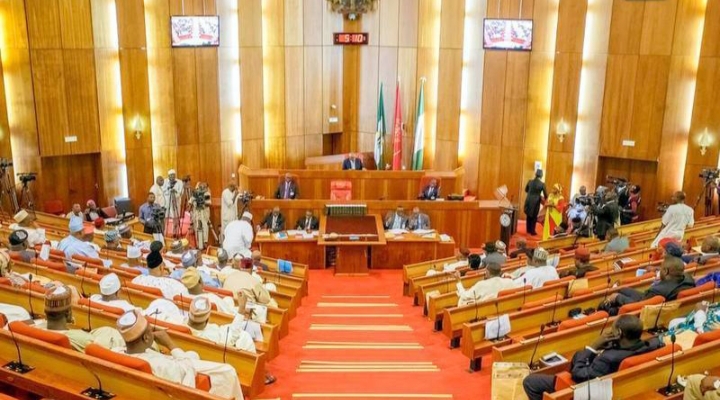
The amendment was adopted during Tuesday’s plenary session presided over by Senate President Godswill Akpabio. The revised provision mandates presiding officers at polling units to electronically transmit election results to the Independent National Electoral Commission’s (INEC) Result Viewing Portal (IREV) after completing the prescribed Form EC8A.
However, the amended law provides that in situations where electronic transmission is unsuccessful, the manually completed Form EC8A will serve as the primary basis for collation and declaration of election results.
Speaking during the session, Akpabio explained that the amendment was intended to address practical challenges encountered during elections, particularly in areas with poor network coverage. He noted that electronic transmission must be carried out after result sheets have been signed and stamped by the presiding officer and countersigned by polling agents where available.
He further stated that where communication failure makes electronic transmission impossible, the signed manual result sheet would be relied upon for the collation process.
The amendment has generated controversy, with civil society organisations and opposition figures expressing concerns that allowing manual results to override electronically transmitted results could weaken electoral transparency and create opportunities for manipulation. Critics argue that electronic transmission was introduced to improve credibility and reduce disputes associated with manual collation.
The development comes amid public backlash and protests by Nigerians under the #OccupyNASS movement in Abuja. Former presidential candidate of the African Action Congress (AAC), Omoyele Sowore, joined demonstrators, accusing political leaders of attempting to weaken electoral reforms that promote transparency and accountability.
Meanwhile, the Senate has constituted a 12-member conference committee to harmonise differences between its version of the amendment and that of the House of Representatives.
Lawmakers say the process is expected to be concluded soon before the final bill is transmitted to President Bola Tinubu for assent.
The amendment continues to attract national debate as stakeholders assess its potential impact on the credibility and transparency of future elections in Nigeria.




Post Comment