By Palang Paul/The Nigeria Times
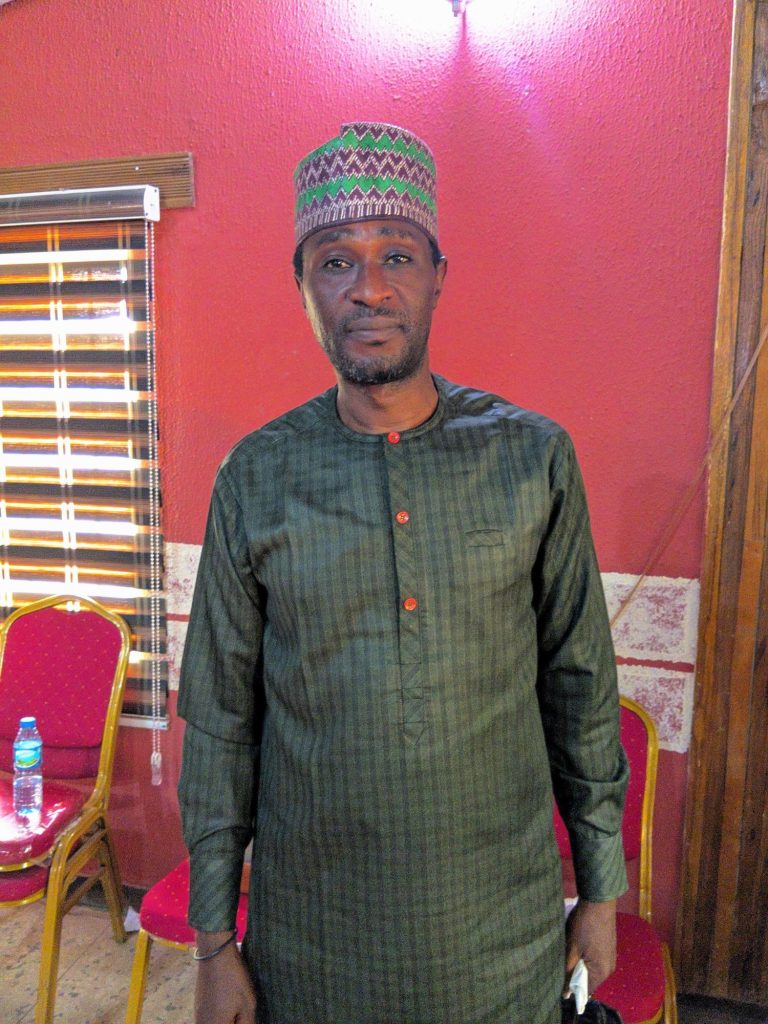
In the quiet Bishop Court of Jos the Plateau State Capital in North Central Nigeria, a different kind of work is underway—one not of demolition, but of deliberate construction. Here, the sounds are not of splintering wood but of earnest dialogue, not of raised weapons but of raised hands sharing experiences. Teega Ali Usman, from Bassa Local Government Area, leans forward in his chair, his voice measured but passionate as he recounts how, just a day prior, he stood between two angry drivers and a spiraling conflict, armed only with new skills from AfriPeace training workshop.
“People were holding each other. Supporters were mobilizing. Our people from the community, seeing us as part of it were shouting,” Teega recalls, describing a tense standoff following a tricycle accident with a bus. “But I calmed down, found an opportunity, and stepped in to mediate.”
Scenes like this are the intended outcome of a two-day capacity-building training concluded by the African Initiative for Peacebuilding, Advocacy and Advancement (AfriPeace).
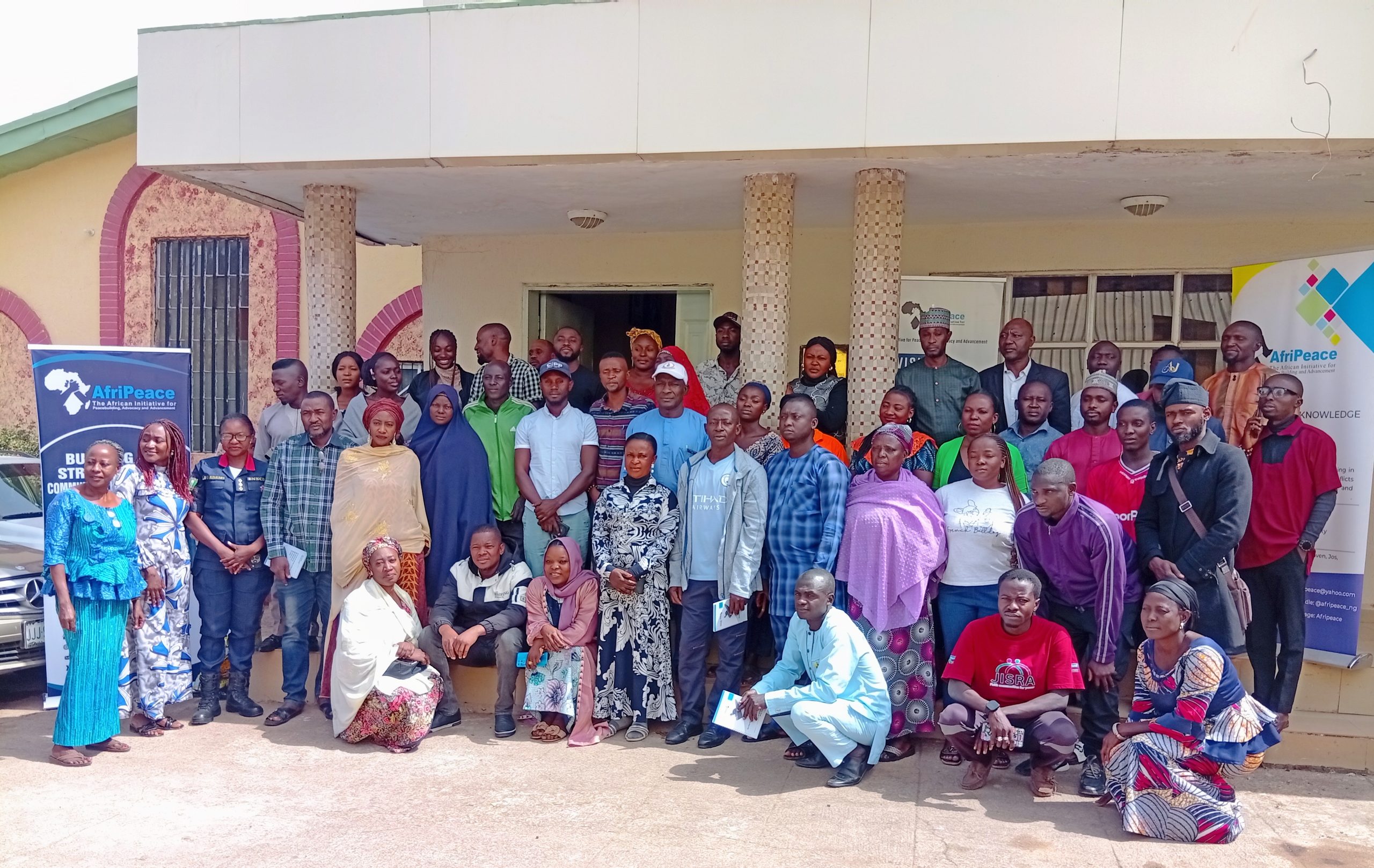
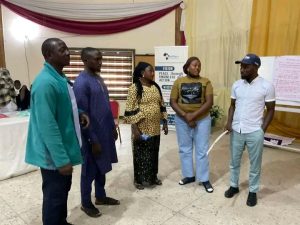
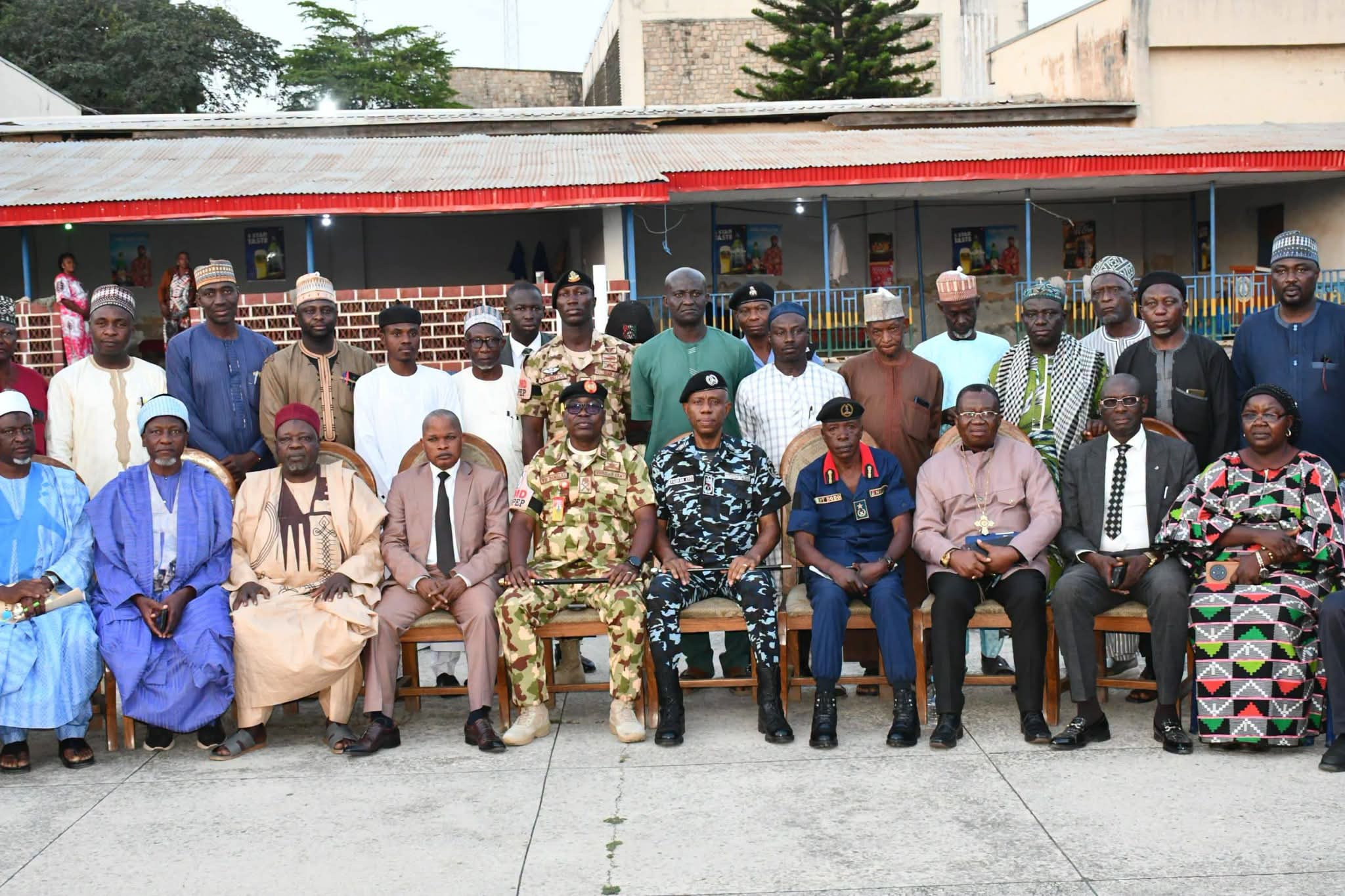
Held from January 15th to 16th, the workshop brought together different communities, peace committee members, traditional,religious leaders,security operative and civil society actors from five of Plateau State’s most conflict-prone local government areas: Bassa, Mangu, Bokkos, Riyom, and Barkin Ladi.
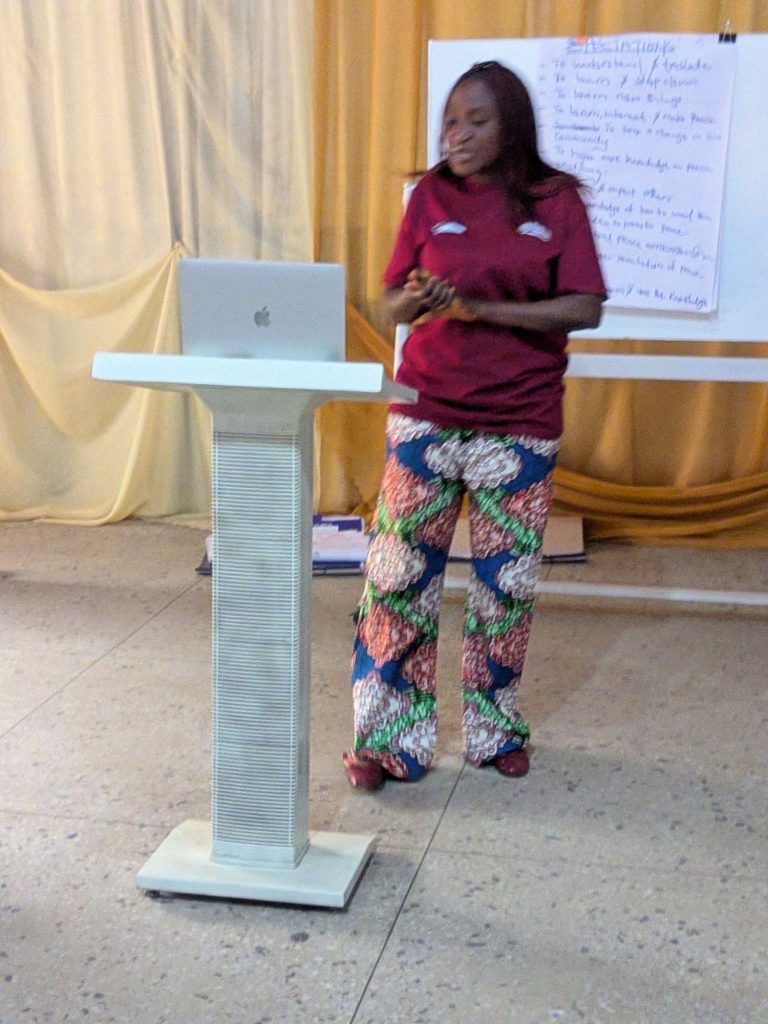
The project, titled “Building and Strengthening Community-level Structures and Mechanisms for Peace, Security and Justice in Plateau State,” focused on equipping participants with practical skills in mediation, effective communication, conflict resolution, and personal safety. Against a backdrop of recurring farmer-herder clashes, political violence, and communal distrust to mention but a few, the initiative represents a grassroots counterpoint to the cycle of displacement and loss seen in Nigerias Middle belt.
For Teega, the training transformed from theory to practice almost immediately. On his journey home from the first day’s sessions, the tricycle he was in collided with a bus van. What began as an accident quickly escalated into a volatile confrontation, with drivers and passengers squaring off and security forces arriving.
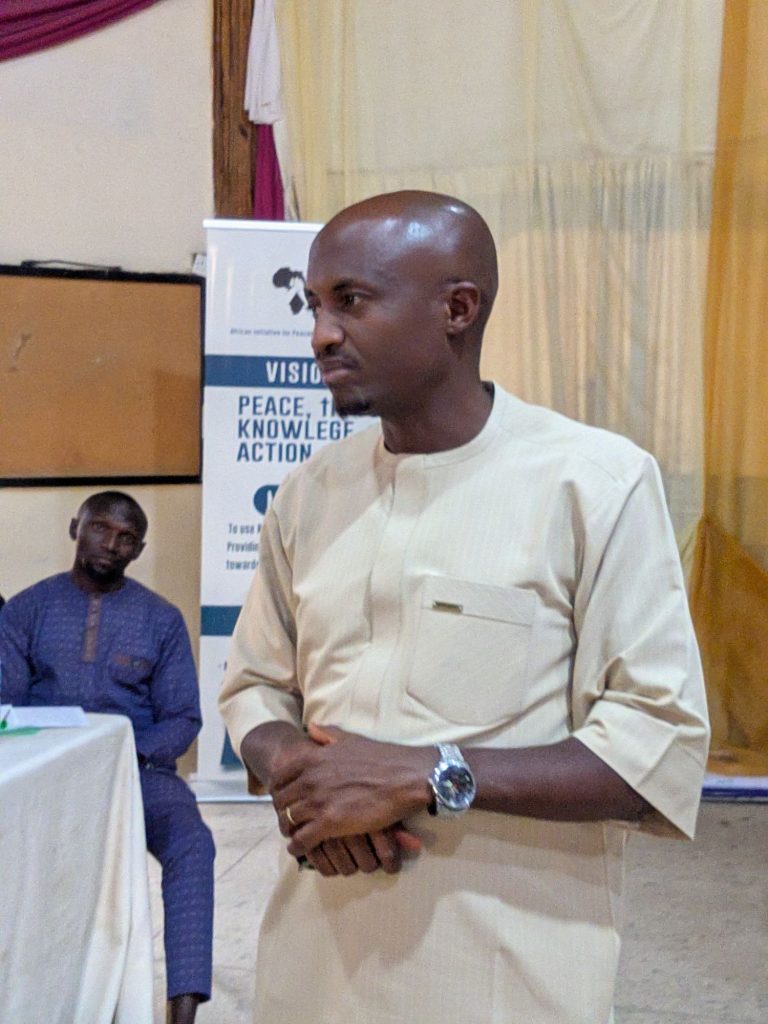
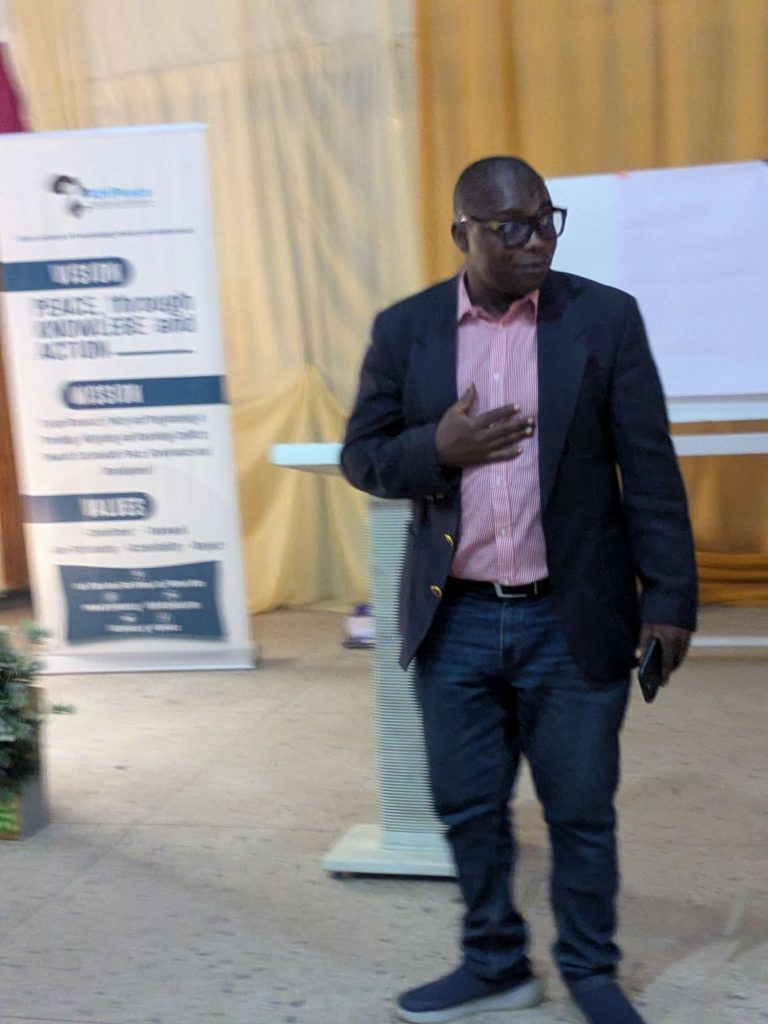
“Sensing the danger, I drew myself from the heat and looked for an opportunity to mediate,” he explained in a conversational style that mirrored the workshop’s participatory spirit. “I talked to the van driver, I apologized to help him understand. I met the tricycle driver, talked to him politely. When the police wanted to take over, I pleaded for a chance to resolve it amicably.”
Using techniques emphasizing party autonomy and collaborative problem-solving, Teega facilitated a dialogue. He helped the parties see the disadvantages of a legal battle—lost resources, lost time, prolonged animosity. The result was a mutually agreed solution the van driver agreed to repair the tricycle, and the tricycle driver offered to contribute, acknowledging the accident’s accidental nature.
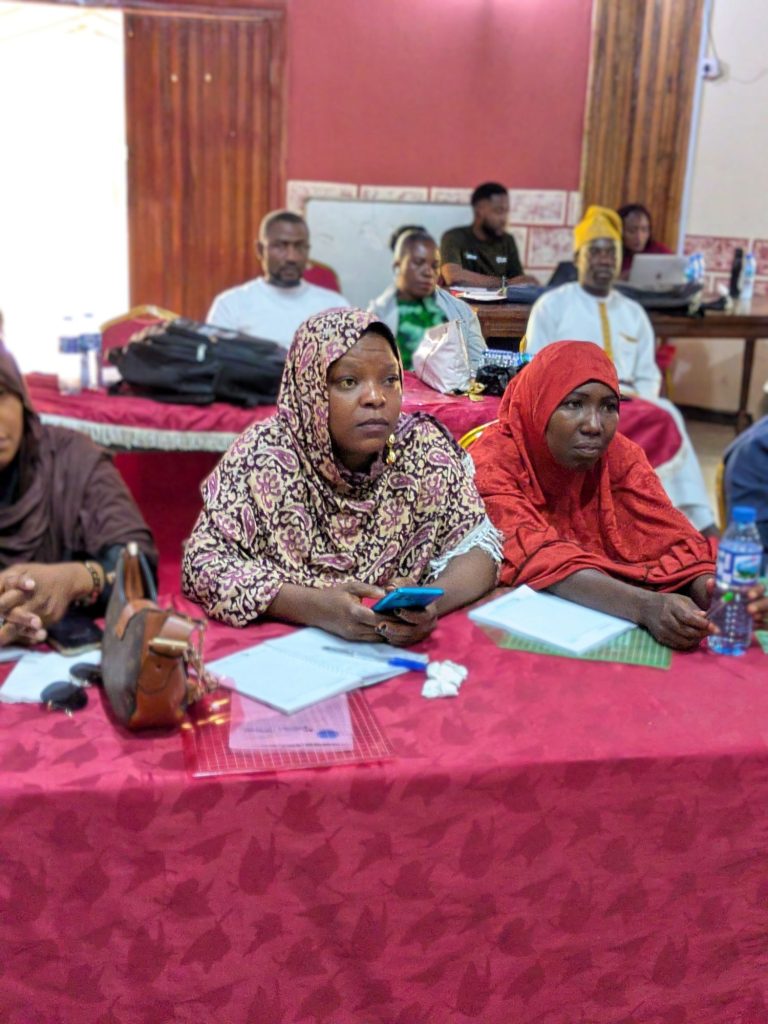
“The police left. Both men went home satisfied,” Teega shared, a note of quiet triumph in his voice. “It is a plus. The knowledge gotten here gave me the skill to resolve that conflict situation swiftly.”
His story underscores the core philosophy of the AfriPeace training that sustainable peace is built from the ground up, by empowering local actors with the tools to de-escalate crises within their own cultural contexts. Facilitators stressed that there is no one-size-fits-all approach.
Hajiya Maimuna Abdullahi, another participant, highlighted this nuanced takeaway. “The training was fantastic,” she said. “We were taught practical ways of educating people on mediation and effective listening. Each community has its own peculiar problems and ways of settling them. What works in Pankshin may not work in Langtang.”
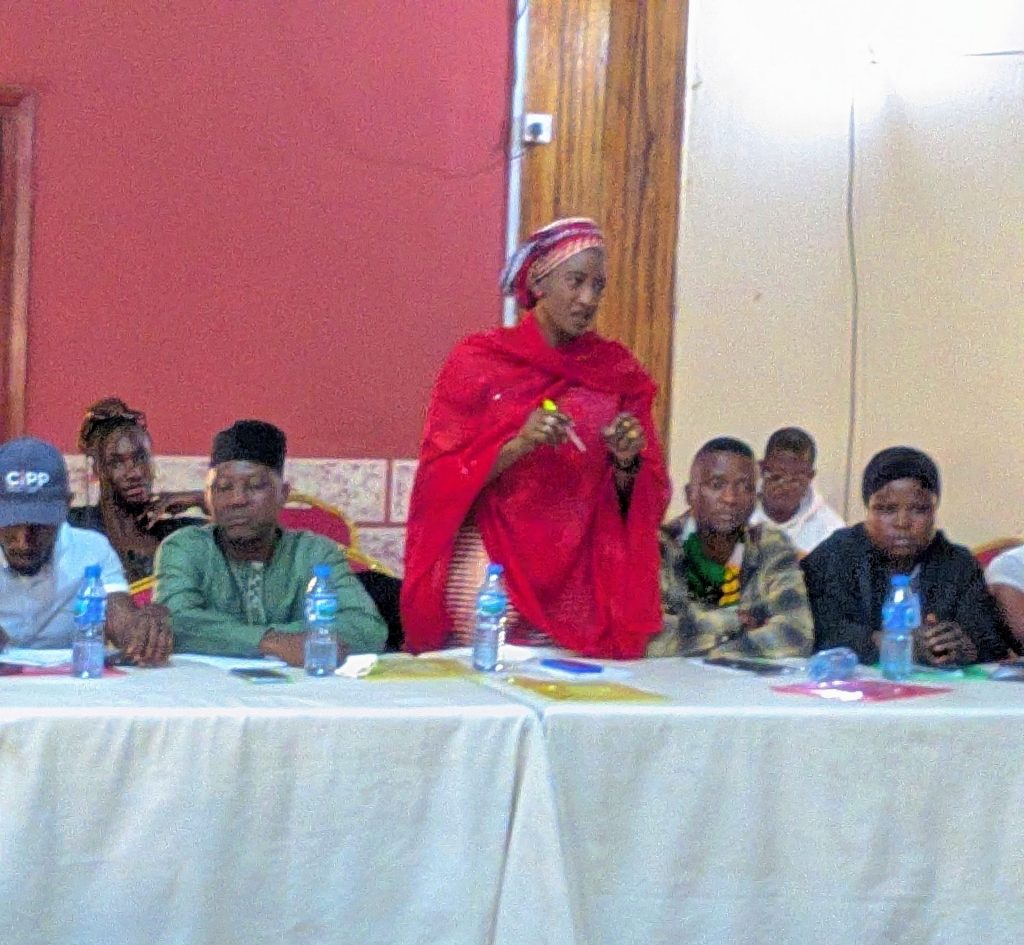
She emphasized other critical lessons: that a mediator’s failure in one session does not define their ability; that safety must come first, even if it means withdrawing; and that resolutions must be owned by the conflicting parties, not imposed. “You cannot force someone to forgive,” Hajiya stated. “If you do, the problem is not solved.”
AfriPeace says this initiative is part of a broader commitment to strengthening community-based structures for sustainable peace, security, and justice across Nigeria. In a region where top-down security responses have often failed to address root causes or have even exacerbated tensions, investing in local peace architecture offers a complementary, human-centric path.
“This is about building resilience from within,” an AfriPeace program coordinator noted. “When community leaders like Teega can intervene not just with good intentions, but with proven techniques in communication and negotiation, they prevent small sparks from becoming wildfires. They protect lives, livelihoods, and social fabric.”
The need is profound. Plateau State has witnessed cycles of violence that have displaced thousands and deepened ethnic and religious divides.
As participants returned to their communities in Bassa, Mangu, Bokkos, Riyom, and Barkin Ladi, they carried with them something more than certificates. They carried tested strategies and, in Teega’s case, a confirmed belief in their efficacy. The immediate concern is no longer just survival amidst violence, but the active construction of understanding.
As dusk settled over Jos, the conversation in the courtyard turned to the future. For these newly equipped peacebuilders, the promise of a stable Plateau feels closer, built not on the ashes of destroyed homes, but on the steady, careful work of mending relationships—one mediated dialogue, one prevented clash, one repaired tricycle at a time.


Post Comment