New report finds unlawful arrests, detention, and “arrest in lieu” persist across 12 states, exposing deep enforcement and accountability gaps
By Mike Odeh
ACJL Adoption Fails to Translate Into Protection
A new policy report by Nigeria’s CLEEN Foundation has warned that widespread violations of citizens’ rights persist across the country, despite the adoption of the Administration of Criminal Justice Law (ACJL) in 12 states, raising serious concerns about the delivery of people-centred justice.
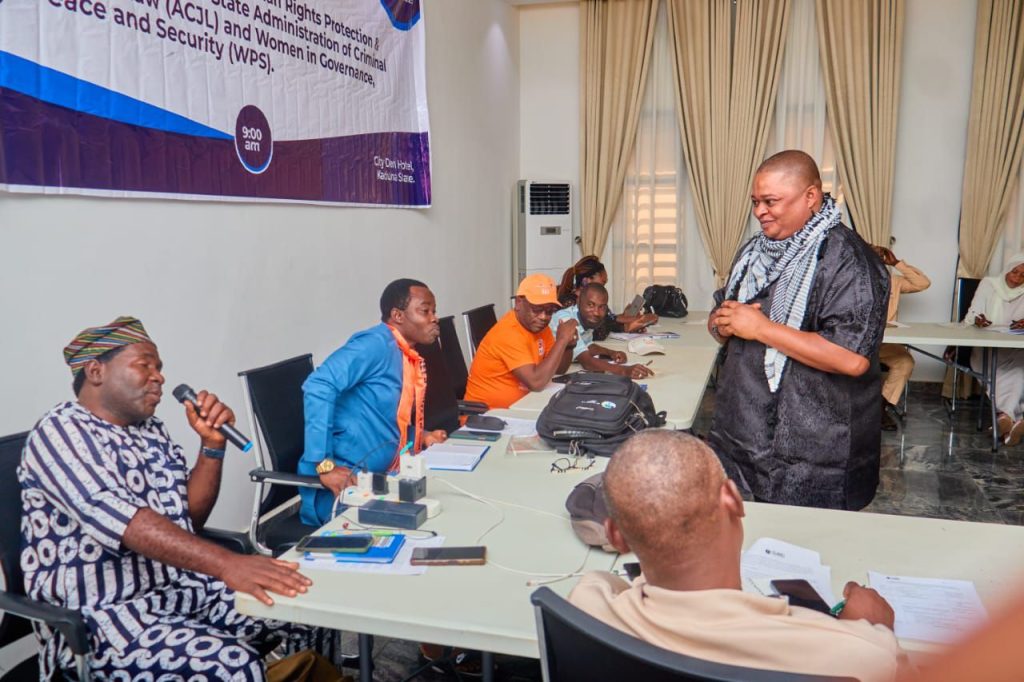
The affected states are Adamawa, Gombe, Jigawa, Kaduna, Plateau, Benue, Ekiti, Lagos, Enugu, Imo, Akwa Ibom, and Cross River.

Released in Kaduna on Friday, December 11, 2025, the policy brief finds that unlawful arrests, arbitrary detention, and other abuses expressly prohibited under the ACJL remain common, largely due to weak enforcement and low public awareness of legal protections.
High Official Awareness, Low Citizen Protection

While 86 percent of justice sector officials surveyed said they understand the ACJL, the report notes that this awareness has not translated into improved safeguards for ordinary Nigerians, who continue to experience practices the law was designed to eliminate.
“Arrest in Lieu” Persists Despite Legal Ban
One of the most troubling findings is the continued use of “arrest in lieu,” where relatives or associates of suspects are detained in place of the actual individuals sought by law enforcement. Although the ACJL expressly prohibits the practice, the report documents its persistence in several jurisdictions, exposing innocent citizens to detention and abuse.
Public Ignorance Weakens Accountability
The report also highlights widespread lack of public knowledge about fundamental rights, including protection against unlawful arrest, the right to timely arraignment, and access to bail. Researchers warn that this ignorance weakens accountability mechanisms and allows abuses to continue unchecked.
Systemic Gaps Within the Justice Sector

Beyond public awareness, the CLEEN Foundation identifies institutional weaknesses as major drivers of rights violations. These include poor investigative practices, slow trial processes, overcrowded custodial centres, and reliance on paper-based documentation systems that undermine transparency and hinder monitoring of legal compliance.
Reform Gains Recorded Amid Ongoing Challenges
Despite the shortcomings, the report acknowledges limited progress under ongoing justice-sector reforms, including the training of more than 1,000 justice actors, the establishment of 12 monitoring committees, and the release of 107 inmates through improved oversight.
Calls for Stronger Enforcement and Digital Reform
The Foundation urged state governments to strengthen enforcement of the ACJL, commit more resources to the justice sector, and ensure the adoption of rights-based procedures. It also called for expanded public awareness campaigns, intensified civil society and media monitoring, and the deployment of digital tools by the judiciary and security agencies to reduce delays and prevent abuses.





Post Comment